
4 Best Ways for Selling a Home in Virginia
Even though the information on this web page is provided by a qualified industry expert, it should not be considered as legal, tax, financial or investment advice. Since every individual’s situation is unique, a qualified professional should be consulted before making financial decisions.
Homeowners selling a property in Virginia have several common ways to put their house on the market.
This article explores those options to help you decide on how to sell a home in Virginia depending on your priorities. We’ll then track the steps involved in a typical home sale.
Let’s kick off our sales exploration with the private transaction.
#1 How to Sell a House in Virginia Privately

The private home sale has a few hallmarks that make it unique among sales options.
If you sell a property in Virginia via a private sale, it will normally be fast because it’s an all-cash sale.
There’s no waiting around for your buyer to apply for a loan and then go through all the hoops to qualify — or worse, to be turned down for the mortgage.
There are no appraisals. It’s a cash sale, so you’ll skip the mandatory appraisal process that home lenders require.
You won’t sweat a final appraisal price failing to match with your contracted sale price requiring you to go back to the negotiation stage. The price on the contract is the final price. Period.
Private sales are exclusive. It’s between you and the private buyer. You won’t have a cast of looky-loos out for their weekend entertainment that includes lunch and snooping around during your open houses.
So, just who are these buyers who aren’t nosy, have cash, and can move fast to close a sale? It’s answered in our next segment.
What Are Home Buying Companies?
Home buying companies might be mom-and-pop operations, or a group of investors that have pooled their money to purchase residential or commercial real estate.
What they do have in common is Virginia property investors buy homes for cash, and they can close quickly, sometimes in just a matter of days when it’s necessary.
These companies buy investment properties in Virginia for various purposes.
Some investors focus on buying properties for rental income, while others purchase homes to remodel and then resell to others.
You don’t need to do anything to repair, remodel, or upgrade your home when selling a property privately to an investor.
No matter what condition your property is in, there’s an investor interested in buying your home.
Cash buyers typically use investment-friendly title companies in Virginia because they have experience handling rapid all-cash sales.
While all sellers have advantages in a fast all-cash sale, some homeowners have needs that a private sale can specifically address, including property owners:
- selling a house to avoid foreclosure
- selling a house with renters
- selling a property before bankruptcy
- selling a house that needs work
- selling real estate in probate
- selling a house with a tax lien
- selling a hoarder house
- selling to downsize
- selling a house in a divorce situation
- selling a house for a job relocation
There are a number of benefits of selling your home to a real estate investor. Let’s have a look at them.
Pros of Selling to a Home Buying Company
- You can sell your house fast to a professional investor. If speed is essential for you, this sales method is perfect.
- When you sell your house for cash in Virginia, there aren’t any surprises when your buyer fails to qualify for a mortgage, or your home doesn’t appraise at the price listed on the sales contract.
- There’s no home preparation required. Home buying companies purchase properties in as-is condition.
- You’ll skip paying real estate agent commissions.
- You also won’t receive the bill for seller closing costs.
There’s a potential downside to an investor sale.
Cons of Selling to a Home Buying Company
- Virginia real estate cash buyers generally don’t offer prices that match with market value for the area.
There are several reasons for this pricing. The first is professional home buyers are businesses. They must make some profit to stay open.
The second reason may not be so obvious. The price on an investor’s offer is cash in your pocket. There are no deductions for commissions or closing costs.
In a Realtor-assisted sale, the seller must deduct the commission fees and the closing costs from the price listed on the contract.
In an investor sale, the price on the contract is your net — the cash you’ll receive at the close of the transaction.
When you consider the bottom line cash you’ll receive and the fact you don’t have the extra costs of home prep, an investor sale might just be your best option.
How to Find an Ethical Home Buying Company
Not all home buying companies operate on the same level of business ethics. There are some ways that you can sort the good from the others, but it takes some elbow grease.
It’s important to check the licensing status for a home buying company in Virginia. The state requires some types of cash investors to register, or hold a real estate license, to do business in the Old Dominion.
You can check license information by using the official License Lookup for any investor.
You can contact the Department of Professional and Occupational Regulation to see if any of your investor prospects have had past disciplinary actions for improper business conduct.
It’s then time to research the consumer temperature about your list of investors. Look on Yelp, Real Estate Bees, and the local branch of the Better Business Bureau for public comments.
All this research takes time and effort, but there’s an easier way. Let someone else do the prescreening.
That someone else would be us! We’ve researched and checked the partnering investors we work with. They’re vetted for their expertise, professionalism, and the ability to close sales.
Simply request a cash offer on your house, and we’ll share that information with our partnering local experts.
There’s no fee, and there’s absolutely no obligation to sell to any of the investors who make offers.
#2 How to Sell a House in Virginia Traditionally

A real estate listing with a brokerage is a common sales approach. This segment highlights the special features of that listing method.
Who Are Real Estate Agents?
A licensed real estate agent is your legal fiduciary in a real estate transaction. They’re licensed to put your needs above all others in the sale.
Agents place their license with a brokerage that supervises their actions and maintains a record of the legal paperwork for all transactions done by their agents.
Your agent can list and market your home, negotiate the sale, and oversee the due diligence and closing processes. The brokerage charges a fee for these services.
Agents using the title “Realtor” are members of the Virginia Realtors, the state branch of the trade organization, National Association of Realtors (NAR).
Realtors take an oath, above and beyond what the state requires of licensees, to put your needs first in the sale and to use the highest professional standards in representing you.
Reviewing the pros and cons of using a brokerage can help in determining if an agent can offer you the service you need in your sale.
Pros of Using a Real Estate Agent
- Your agent is trained in real estate law, marketing, negotiations, and the details of due diligence, escrow, title, and transaction closing. They can handle any issue that arises — or they can ask for assistance from their supervising broker when they can’t handle the problem.
- Realtors have access to the Multiple Listing Service (MLS). This data is an invaluable tool that helps you price your home for the maximum sale price.
- You are free to go about your regular life while your agent handles all the details of the home sale.
Cons of Using a Real Estate Agent
- Realtor costs when selling a house in Virginia are the biggest disadvantage for home sellers who are billed for this charge.
- Sellers typically need to wait to locate a buyer who will meet their price and match the terms. During that wait time, the agent will continue to market the house with home showings.
- Agents normally bring buyers who need mortgages, with all the delay and hassle of the lending process. This can delay the sale closing for weeks.
How to Find a Good Real Estate Agent
Ask friends, family, and coworkers to recommend agents to handle your sale.
The Local Associations page on the Virginia Realtor’s website has a list of members in your area where you can find professionals that work in your neighborhood.
Check the Virginia Department of Professional and Occupational Regulation License Lookup to discover any complaints filed against your prospects for failing to follow state regulations.
Skim local consumer websites for possible comments about any of your prospects. Remove agents with a number of negative reviews. Real Estate Bees and Yelp are helpful resources for this.
The last vetting is the most important to ensure you select an agent who can work well with you during the sale.
Invite an agent to do a formal listing presentation. Request a marketing plan for your specific property as part of the pitch.
Continue to interview agents until you’ve found the one you feel could do the best job representing your home.
Sign a listing agreement with the agent’s brokerage, and then sit down to develop a plan to sell your home
Our next sales method is one that appeals to homeowners who like to handle everything themselves without professional help. It’s the DIY of real estate sales.
#3 How to Sell a House in Virginia Without Middlemen
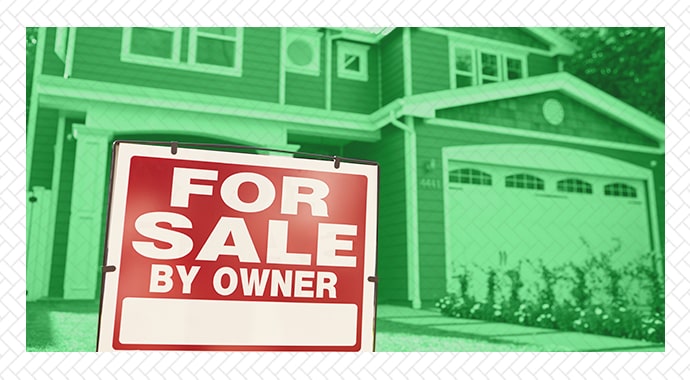
“For sale by owner” sales, also known as FSBO listings, have the homeowner handle all the duties of a real estate agent.
If you aren’t selling your house to an investor, you’ll need to prep your home to receive potential buyers.
The public likes to see turnkey homes that are move-in ready so they don’t need to do any repairs. Make an inventory of items to replace, rehab, or repair.
Your list may include painting, new flooring or window coverings, upgrading appliances, and even hiring a stager to bring in furniture and art so your house shows like a model home.
Your next move as an FSBO is to set an asking price for your home. An online house value estimator can help with that.
You’ll need to complete the state-mandated disclosures, including the Residential Property Disclosure Statement that itemizes any material damages your home might have that reduces the value.
Locating buyers for a home as an FSBO can be a challenge for many homeowners.
Some methods that work in many geographic areas to attract buyers include standard advertising, but also the use of modern technology to reach out to younger buyers.
Ways to Market Your House Yourself
- Yard signs can be helpful in attracting buyers, but not all localities and homeowner associations allow them on properties. If you’re able to put a “for sale” sign on your home, add several ways potential buyers can contact you for a showing.
- Posting video tours of your home on YouTube or Instagram can attract potential buyers.
- A formal print flyer is a way to remind buyers of the property’s amenities and features. Distribute these to home shoppers when you show your house.
- A number of online FSBO listing sites are free for owners to post their home sales.
Pros of Marketing Your House Yourself
- Commissions are the largest line item on closing costs in Virginia. You’ll avoid real estate brokerage commissions on your side of the sale when you list your home as an FSBO.
- You are in charge of everything involved in your home sale. You make all the decisions!
- You can devote all of your time to your home sale. Unlike agents who have multiple clients, your home is your only focus.
Cons of Marketing Your House Yourself
- Virginia real estate regulations are complex. You may not have the training and background to ensure you’re meeting all the laws needed during the transaction.
- You may make an error that a trained real estate professional would avoid, and that may even require a court appearance when your buyer is unhappy.
- Some closing costs when selling a home by owner are up for negotiation. If you don’t know which ones, you may pay more than you need.
- You may make a pricing mistake when listing. If you price your house too low, you’re out that cash. When priced too high, you may never find a buyer.
The last entry on our inventory of methods to sell your home is one that has dual sales.
#4 How to Sell and Buy a House at the Same Time in Virginia
You’ve found the perfect home for you and your family, but you haven’t sold your own house yet.
You have several options. You can put your home on the market and hope for a fast sale. You could also offer a contingency to the owner of the property that says you’ll buy when your home sells.
The first option may have you miss out if your house doesn’t sell. Sellers aren’t excited about contingency sales, so you may have your offer on your new house declined. Sellers take all the risks in a contingency contract.
There’s one more option that you may not have considered. That’s a sale to Virginia iBuyers.
An iBuyer will purchase your house, and you can take the cash equity to buy your perfect home. Once that transaction has been closed, the iBuyer will close on your current property.
Those are the four most common sales approaches to selling a home in Virginia. Our next segment tracks the typical home sale from the listing through the final closing.
Home Sales Process in Virginia

It doesn’t matter which method you use to sell your house — the basic steps are generally the same for all transactions.
Before Signing a Purchase Contract
The first thing to do is to make a home assessment itemizing what needs to be done before opening your home for showings.
Your approach to this prep is determined by the buyer pool you’ve targeted. Traditional home shoppers want to see properties that look like advertisements — clean, fresh, and in turnkey condition.
If you decide to list your home with a Realtor, they can guide you in what’s necessary for home preparations in your area.
If you’re targeting investors, the only thing you need to do is contact the cash home buyer and request an offer. No home prep is necessary. They buy homes in as-is condition.
The second thing you’ll need to do is to set an asking price for your home.
Then, you’ll need to complete the federal and state-required disclosure forms. This will take some time to finish, and you may need to ask for some legal advice before you distribute these to potential buyers.
Our article, “You Can Sell a Home As Is in Virginia,” details the various disclosures that the Old Dominion and federal government require.
Marketing the Property
Your marketing plan will mirror your home prep. Buyers from the general public need a concerted marketing effort that might include signs, print and media ads, open houses, and broker previews.
Your real estate agent will develop a plan for your home, while as an FSBO seller, you will be on your own to do all the marketing outreach.
Cash home buyers don’t require any marketing. Simply request an offer.
Accepting an Offer
Offers on your home will be presented directly to you when working as an FSBO or selling to an investor.
If you have an agent, they will wrangle the offers and any counter offers you may have. Virginia laws require countering and acceptance within a set period of time.
All offers will be presented with an earnest money deposit. This money will be placed into an escrow account when you accept an offer.
Buyer Due Diligence Period
Your buyer, or your buyer’s agent, and escrow and title officers take the lead in the due diligence period of the transaction.
They’ll contract for a title search and take out insurance policies for title and home hazards.
Your buyer will hire a state-licensed home inspector to complete a due diligence inspection and compare it with the mandatory Residential Property Disclosure Statement you submitted to the buyer.
The escrow and title officers will create the legal documents for the sale during this time.
In the days prior to closing, your buyer is allowed to take a final walkthrough of the property to ensure it’s the same condition as when the offer was presented.
Several days prior to closing, your escrow officer will review your fees and costs associated with the sale.
You’ll see charges for commissions and closing costs when using a Realtor. FSBO sellers will pay closing costs, but may skip one side of the commission fees — the listing agent commission.
If you’ve sold to an investor, your final tally will be free from any commissions or closing costs.
You have the option of hiring a real estate attorney to supervise the closing process, but it’s not required under Virginia laws.
Closing
The final step in the transaction is the official closing.
All parties to the sale will sign the official legal documents transferring the property, and the money will be transferred to the appropriate accounts.
A new title will be written and notarized. That new deed will then be filed with the Clerk of the Circuit Court in the city or county where the sale property is located.
That’s it! You’ve officially closed the transaction on your sale.
Next Step

The next step is to decide on a sales method and start collecting the information you need to do your vetting.
We’re here to help with that! We’ve prescreened and vetted our professional local investors, and they’re ready to make an offer on your home.
While you’re here on the website, why not request cash offers on your home?
It’s easy. It’s free. There’s no obligation to accept any of the offers you will get.
