
2 Best Ways for Selling a Hoarder House Fast
Even though the information on this web page is provided by a qualified industry expert, it should not be considered as legal, tax, financial or investment advice. Since every individual’s situation is unique, a qualified professional should be consulted before making financial decisions.
This guide outlines the ways you can sell a hoarder’s house and the advantages and disadvantages of each approach.
It also offers some tips to help you attract potential buyers and sell that property quickly for the most money.
Let’s begin with the quickest approach to selling.
How to Sell a Hoarder House Fast

The fastest way to sell a hoarder home is to sign a contract and simply walk away with the cash from the sale without doing any property preparation.
Selling to a real estate investor who specializes in buying hoarder houses allows you to do just that. Sign and get a cash payout!
Property cleanouts can be an exhaustingly slow job, especially in situations when hazardous materials are involved. So, a sale that eliminates that process offers major time savings.
Who Can Buy Hoarder Houses As Is?
Legally, anyone can sell a hoarder’s house, but the problem is the lion’s share of homebuyers want to buy turnkey properties without repairs needed.
The overwhelming number of residential buyers are not interested in doing even small home repairs after escrow closes.
Taking on a house loaded with trash or piles and stacks of personal items in every room is a horror that typical buyers will avoid. Most won’t even look at hoarder houses.
Also, most people need mortgages. Lenders aren’t interested in having anything to do with hoarder properties. That limits your buyer pool to people who have cash.
Homeowners who want to move quickly need to clean out the property, and then repair and update the house to be attractive to typical home shoppers who need mortgages to buy.
Fortunately for sellers of hoarder houses, there’s a group of buyers who not only aren’t afraid of looking at homes filled with mounds of stuff, but they also make a living purchasing those properties, often offering a fair deal!
Real estate investors buy houses, even those that are chock-full of items, to clean and repair and then sell to others as turnkey properties.
Some professional investors purchase residences to clean out and rehab to convert into rentals.
Professional cash real estate buyers look for a buyer selling a house in bad condition that can be rehabbed and remodeled.
A rental property rehab, for example, doesn’t necessarily require the same finishes as a house remodeled to resell to a family that wants to live there.
Real estate cash investors purchase properties that most people aren’t interested in buying. Investors have cash, and they want a fast closing.
Pros and Cons of Selling Hoarder Homes to a Real Estate Investor
Selling to a real estate investor offers a wealth of benefits, and only one drawback.
Making a list of both the pros and cons can help you decide whether or not to work with a professional cash buyer.
Advantages of Selling to an Investor
- As-is sale: No cleanup, repairs, or renovation necessary.
- All-cash offer: No waiting for a lender to approve the buyer’s loan, no lender-required inspections and appraisals.
- Fast sale
- No closing costs for the seller: Investors pay them all.
- Homeowners don’t pay real estate agent commissions: They don’t need a realtor.
- Minimum bureaucracy: The seller signs the legal paperwork and the sale closes in a matter of days.
Disadvantage of an Investor Sale
- Your offer might be less than the local market value.
Property owners with a hoarder house also have something else to consider when balancing the advantages and disadvantages of selling to a cash investor.
Factor in the savings from avoiding closing costs and cleanout fees, as well as a fast sale where you won’t be paying for utilities, property taxes, and mortgage during a long escrow period.
When you consider this, the net proceeds from a sale to an investor may be quite comparable to the ones you’d get by selling your house traditionally, with an agent.
Where Do I Find a Good Real Estate Investor?
Locating a reputable investor involves developing a list of local prospects and taking the time to research each one.
A quality real estate investor is one with at least three years of experience in the field.
An investment cash buyer should have a list of former clients who will attest to their professionalism and ethics.
You can expedite your search by using HouseCashin. Our online platform offers a quick and easy way to request a cash offer from professional investors.
HouseCashin vets local investors and partners with those having years of experience, the highest ethical reputation, and those with a long list of satisfied sellers.
Get cash offers via our website. When we get your request, we’ll send it to our network of quality local cash buyers.
You’ll be contacted by local investors interested in your property. Invite them to tour your hoarder house, and if you find the price and terms acceptable, sign a sales contract with that investor.
There’s absolutely no obligation to sell to any investor, and the cash offers are free.
Before you take on any cleanout tasks, before you do any home repairs, before you hire any workers to do anything to your house, why not obtain all-cash offers from investors?
How much do you really lose selling a house as is? You may decide an investor’s cash offer far outweighs the time, effort, and expense of selling your hoarder house any other way.
How to Sell a Hoarder House Traditionally

One of the most difficult steps to selling a hoarder’s house is locating a real estate agent who is interested in marketing the property.
You’ll also want an agent who has the experience and professional contacts to mentor you in getting rid of excessive clutter and preparing the property for sale.
Try to avoid a trial-and-error approach to hiring professionals to help you with deep cleaning. An experienced realtor should be able to assist you by planning and overseeing the preparation of the house for sale.
Clean the Property
Listing with an agent requires the heavy lifting of cleaning the property and repairing damages.
The cleanout typically has an element of surprise. Deferred maintenance is difficult to identify and assess when trash, boxes, and items have been collected for years hiding property damage.
Mold and mildew can build up in hoarder stacks in a short time. Insects, including termites, and rodents can quickly establish a home in an accumulator’s residence.
These problems aren’t always visible until you begin removing trash and the mounds of items.
Professional pest and mold mitigation services are then required to ensure these conditions are effectively handled.
The repair costs might also involve structural damages from the hoarded items when the accumulated weight is so heavy that it damages floor joists or places an excessive load on the home’s foundation.
Cleaning the property requires hiring staff when you want to move quickly to sell. If you do the work yourself, this part of the house prep can take months to complete.
Residential cleaning crews focus on typical home duties such as mopping floors, dusting, and washing windows, but may not handle all the items that accumulate in a hoarder house.
Hoarders’ houses usually require the services of a professional decluttering firm to do cleanouts.
This service is pricey. Even a modest home requiring a superficial cleanout can set the seller back $1,000 to $3,000, and that figure doesn’t include traditional residential cleaning duties such as washing windows.
Turning a hoarder property into a turnkey home to attract buyers involves restoration like a fresh coat of paint, flooring, and replacement window coverings. That’s in addition to the cost of repairing any damages.
Depending on the size of the home, this can run in the tens of thousands of dollars. That’s cash you must spend before you can list the property.
What Does a Traditional Real Estate Sale Entail?
Hiring a real estate professional to represent you in a sale sounds simple.
But locating an experienced agent to represent your interests and guide you through a hoarder house sale requires major effort and a serious time commitment.
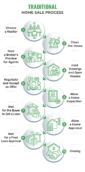
The basic steps to sell a hoarder’s house in a traditional sale include:
- Researching local real estate agents to locate at least three with experience and expertise in your local area.
- Interviewing the agents at the property to discuss a plan of action.
- Asking agents to develop a real estate marketing plan for your hoarder house.
- Reviewing the plans and selecting an agent.
- Completing the house cleanout. While your agent handles the other items on this list, the cleanout is up to you, or a cleaning company you hire, to complete.
- Listing the house and negotiating a commission fee.
- Filling out the property disclosure.
- Holding a broker’s preview for agents.
- Marketing the house.
- Allowing prospective buyers to tour the house.
- Fielding offers and counteroffers.
- Opening the house to home inspections.
- Accepting an offer and opening escrow.
- Allowing other house inspections.
- Renegotiating the price when the buyer’s inspectors find other material defects.
- Waiting for your buyer to apply for a mortgage.
- Opening the house for the mandatory lender appraisal.
- Renegotiating the home price if the appraisal doesn’t match the sale price.
- Waiting for the final loan approval.
- Completing the final escrow and title steps and signing the legal paperwork.
- Paying your closing costs and the cost of selling a house with a realtor.
If that seems like a long list to complete, it is. Selling a hoarder house in a traditional sale takes a lot of work and effort.
Pros and Cons of Selling a Hoarder House Through a Real Estate Agent
Home sellers must evaluate the advantages and disadvantages of using a real estate agent to represent them in the sale.
There are some significant benefits to a professional agent’s assistance:
- Real estate agents are licensed, and that state recognition requires coursework and testing. Your agent is your fiduciary who will guide you in listing and marketing by using that training and their experience. They must put your interests first in the transaction.
- Agents ensure that the law is followed in completing listing and escrow requirements.
- Your Realtor has access to a database of current and prior local home sales that includes property details. This information can help you estimate your home value to set an aggressive, but reasonable, sales price for your house.
Not everything is positive when working with a real estate agent:
- The major disadvantage to using an agent is the commission. That money is paid to the brokerage, and the agent receives a portion of that amount.
While that fee is negotiated between the seller and the agent, the cost is typically 3.5-6% of the sale price. It’s the highest of the home seller closing costs.
- Buyers brought to you by agents favor turnkey properties.
Unless your hoarder home has undergone a total cleanout and repairs have been made, you may not see the same buyer traffic as a turnkey property. It can take many months, or even a year, before you have an offer for a hoarder house.
- Typical buyers need mortgages to purchase a property, as opposed to investors who pay cash. This involves waiting for lender approval and an appraisal.
Lenders and appraisers generally devalue hoarder properties. Property investors don’t require loans. They buy with cash.
- Most home buyers hire house inspectors to complete comprehensive reports. The inspector may even find material defects that you aren’t aware of.
- Buyers can be picky and may nitpick every sale detail. By law, agents must share buyer requests with the seller or the seller’s agent. This can make for an extremely long escrow with negotiations continuing until the final closing.
Now that you have learned about both methods and the pros and cons of each, you can try and sell your hoarder house. Good luck!
Next Step

Now that you know the different ways to sell your property, the next step would be comparing how much you can get for it by selling to a real estate investor versus using a real estate agent.
To do this, find a few local professionals and compare their offers. When talking to a real estate agent, don’t forget to ask for a quote on their commission, in addition to the estimated property price.
And as for real estate investors, fill out our quick online form to request cash offers on your home from reputable professional cash buyers working in your area.
Then compare them and choose the best one!
