
4 Best Ways for Selling a Home in Alaska
Even though the information on this web page is provided by a qualified industry expert, it should not be considered as legal, tax, financial or investment advice. Since every individual’s situation is unique, a qualified professional should be consulted before making financial decisions.
This article explores how to sell a home in Alaska by using four different methods.
We’ll evaluate the pros and cons of each way, and then we’ll wrap things up by tracking a typical sale through every basic step in the transaction.
Let’s begin with the private sales method.
#1 How to Sell a House in Alaska Privately

Selling a house in Alaska by using the private sale involves a fast close in an all-cash transaction.
A private sale allows you to avoid the wait time for a buyer to apply and be approved for a mortgage and your home to have a lender-required appraisal.
This process takes weeks to complete, even when the application has already been approved.
Your buyer also may not have final approval from the underwriter, or your home may not appraise at the contracted sale price.
In a private sale, your buyer brings cash, so there are no applications, underwriting, or home appraisals.
A private sale is also discreet. You won’t have the general public, and sometimes your neighbors, scrutinizing your things during home showings and open houses.
So, where do you find a buyer who brings cash and can finalize the sale quickly? The next segment answers that question.
What Are Home Buying Companies?
Home buying companies are investors who pay cash for properties. That allows them to close quickly.
Investors may be small family firms that buy houses needing repairs to then fix and resell, or they might be a group who pools funds for purchasing rental property to keep as a source of income.
Investors look for all types of investment properties in Alaska, including single and multifamily houses, as well as manufactured and mobile homes. No matter the type, there’s an investor for you.
Property investors in Alaska purchase homes in all kinds of conditions. They buy as is, whether it’s move-in ready or the house is a complete fixer — and anything in between.
The common thread shared by all types of investors is they use cash to buy, and that means a fast sale when selling your home privately.
While all homeowners can benefit from a rapid cash sale, some have special needs that a sale to an investor can address, including property owners who are:
- selling a home to avoid foreclosure
- selling a house with renters
- selling a house before bankruptcy
- selling a damaged house
- selling a house under probate
- selling a house with a tax lien
- selling a hoarder house
- selling to downsize
- selling marital property before divorce
- selling a house for a job relocation
Sales to an investor typically mean working with Alaskan investor-friendly title companies because they have long experience dealing with cash home sales.
Considering the pros and cons of selling your home to an investor can help you decide if a sale to a cash buyer is in your best interest.
Pros of Selling to a Home Buying Company
- Sell your house for cash to an investor, and it will close quickly.
- You won’t need to worry about your cash house buyers in Alaska failing to qualify for a mortgage.
- You can skip the work and cash involved in preparing your house for sale.
- Investor sales don’t require sellers to pay commission fees.
- Cash home buyers pay seller closing costs.
Cons of Selling to a Home Buying Company
- Alaska cash property buyers typically don’t make offers that align with market value.
There are reasons for this. The first one is investors hope to make some profit on the sale. The second reason requires the seller to take a look at the sales contracts.
In a Realtor sale, which normally implies selling your home at its market value, the homeowner is on the hook to pay real estate commissions and closing costs.
So, even though you may get a market value offer, the amount of cash you’ll get from the sale will be lower than the home’s market worth.
In an investor sale, the price you see on the contract is the price you receive for your property. There aren’t any deductions to take.
When you evaluate offers this way, dealing with an investor may end up being your best bet, if you take into account the saved time and convenience.
How to Find an Ethical Home Buying Company
Let’s be honest. Not all home buying companies are legitimate or operate honestly. But you can avoid the unethical ones by doing research to vet your prospective investors.
The first step in screening involves making a list of investment firms in your area.
Supplement that list with a quick internet search by using terms such as “we buy houses Anchorage” (or your city) or “sell your house for cash.” This will bring up a list of local investors.
Once you have a list of prospects, it’s time to vet the investors.
Visit the investors’ websites to discover information about the background and experience of the home buying company.
These details should appear on the “About Us,” “Our Company,” or a webpage with a similar title.
Look for investors with a minimum of three years in the industry, and a website that lists involvement in community affairs. Membership in professional organizations is also a plus.
If that page is missing, scratch that buyer from your list of prospects. Honest investors are transparent about who they are.
The next step is to check feedback for the investors on your list by using online consumer forums such as Yelp and Real Estate Bees.
The Alaska branch of the Better Business Bureau (BBB) lists complaints filed with them online.
Skim those reports to determine if any of your investors are currently involved in disputes. Remove cash buyers with too many complaints from your list.
All this vetting and screening is time-consuming, and we have a suggestion that will save you that effort.
Simply request a cash offer on your house by using the short form on our website.
We’ve prescreened our partnering investors for their expertise, professionalism, and the ability to close a transaction quickly when required by a homeowner.
We’ll match you with our local investors who will then contact you to make an offer.
There’s never any fee or charge for requesting, accepting, or declining offers. And you’re under no obligation to sell to anyone — no matter how many offers you receive for your home.
#2 How to Sell a House in Alaska Traditionally

The traditional sale uses a real estate brokerage to sell a property in Alaska. You’ll need to hire an agent working for a local brokerage company.
Who Are Real Estate Agents?
Your real estate agent is your legal fiduciary licensed to assist you in the sale. They’ll list and market your home and represent you during the due diligence and closing processes.
They are contracted to be your fiduciary, your legal representative during the home sale.
Agents using the title “Realtor” are paid members of the professional trade organization, the Alaska Realtors, a group allied with the National Association of Realtors (NAR).
Realtors take an oath of ethics to act professionally while putting your interests first during the transaction.
There are benefits to using a brokerage, but also some downsides to consider.
Pros of Using a Real Estate Agent
- Your agent is trained and licensed to understand local, state, and federal real estate laws and practices. They’re your legal fiduciary and can handle any issue arising in the transaction.
- Realtors have access to the Multiple Listing Service (MLS), a proprietary database of prior home sales that can assist you in setting a price for your property.
- You won’t need to be on call to handle your sale. Your agent takes over the marketing, showing, and supervision of the closing so you can go about your regular life.
Cons of Using a Real Estate Agent
- Many sellers find the average Realtor cost to sell a home a major concern. That averages 5%-5.5% of the sales price of the home in Alaska.
- Homes typically don’t sell in a day or two. Your agent will continue to market your home until it sells. That means a steady stream of home showings and open houses.
- Most agents bring buyers who need mortgages. That guarantees weeks of wait time while your buyer’s loan slowly progresses through the lending process.
How to Find a Good Real Estate Agent
A quality real estate agent is the key to a smooth sales transaction, and locating a good agent requires some research.
The first step in the hunt for a good agent involves compiling a list of possible prospects. Ask your friends, family, and coworkers for their agent recommendations.
Consult the Find a Member, Office, or Association feature on the NAR’s website to supplement your list with licensed local Realtors.
Make sure the agents on your list have at least three years in the field and that they also have experience selling homes in your neighborhood.
Test consumer feedback for the agents on your list by using websites such as Yelp and Real Estate Bees. Remove any agents with a number of negative reviews.
Your vetting steps are important to ensuring you’ve made the best agent match for you and your home.
Confirm the agent’s license is in good standing on the Alaska Department of Commerce, Community, and Economic Development’s Search Professional Licenses service.
It’s then time for the personal meetups. Invite an agent to your home to present a formal marketing plan designed specifically for your property.
Continue the interviews until you’ve found the agent who you feel would work best with you to represent your home.
Our next segment highlights a sales method where the homeowner handles all details related to the listing and the sale.
#3 How to Sell a House in Alaska Without Middlemen
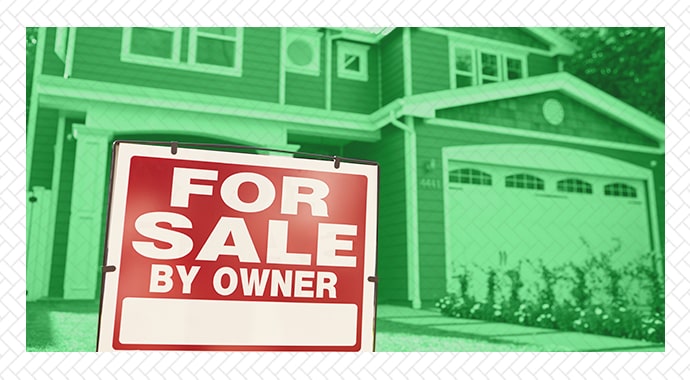
The “for sale by owner” (FSBO) method is for the homeowner who likes to take charge of all sales details.
You are the sales representative for your home in the FSBO sale. The first step involves deciding on a sales target.
Will you sell to the general public, or will you request an offer from an investor? This decision is important to your home preparations.
You’ll then need to make an inventory of your property to determine what needs to be done. If you’ve targeted the public as your potential buyer, you’ll need to make your home as close to turnkey condition as possible.
Buyers like move-in ready homes. They aren’t excited about even small repairs or remodeling.
Your home prep may need paint and new flooring, or you may need to do some major repairs before putting out your sales sign.
If you’ve targeted investors as your buyer, simply make a request for an offer. You won’t need to do any repairs.
The next consideration is pricing. What will you ask for your property? If you’re unsure, a home value lookup can help you set an asking price.
The last step before you invite in prospective buyers is to complete the federal and Alaska property disclosures. The laws require that you present the completed reports to all prospective buyers.
The State of Alaska Residential Real Property Transfer Disclosure Statement can be hand-delivered or sent to home shoppers interested in your house.
Once your disclosures are complete, you’re ready to attract prospective buyers.
Ways to Market Your House Yourself
- “For sale” signs are a visible way to let people know your home is available to buy. Make sure you list several ways to contact you for a showing on the signs.
- Video shorts or full video walkthroughs are another avenue to put more buyer eyes on your listing. Post these for free on websites such as YouTube and Instagram.
- A print flyer is another way to promote your home when it features the amenities your home offers. Distribute these to potential buyers when they tour your house.
- Use the best FSBO websites to advertise your listing. These are typically free or cheap to homeowners.
Pros of Marketing Your House Yourself
- You’ll save your side of the commission when you sell your home yourself. Commissions are the largest part of the closing costs in Alaska.
- You have total control over everything related to your sale.
- Unlike an agent, you don’t have any other clients so you can put all your efforts into selling your home.
Cons of Marketing Your House Yourself
- You may find the process of meeting local, state, and federal laws overwhelming, since you don’t have real estate training and experience in home sales.
- Unless you’ve mastered the sales process and can move quickly, any problem may mean a delay. Too much delay and your buyer may walk away from the sale. If you make a mistake, your buyer may sue you for that error.
- Unless you know the escrow process, you may miss out on an opportunity to negotiate some of your FSBO closing costs.
- Your lack of knowledge of the home market may see you misprice your home. A price too low will cost you some cash (even more than if you sold with an agent and paid them their commission). If you’ve priced too high, you may not be able to sell.
Our last segment involves buying and selling a property simultaneously.
#4 How to Sell and Buy a House at the Same Time in Alaska
You found the house of your dreams and you want to move. The problem is that to do it, you need to sell your current home first.
You have several options that allow you to move into your dream house. The first is making a contingency offer.
But sellers aren’t excited about contingency offers. It exposes them to all the risks, while the buyers have little to lose. Your seller may not accept it.
Or, they may accept the offer, but with an exception that allows them to continue to market the home to others. You may lose your house to a buyer who can close the sale immediately.
You might not receive the best price or terms with a contingency sale. Your seller may feel they need a higher sales price to take on the risk that you won’t be able to sell your house.
Enter Alaska iBuyers to the rescue! In this sales method, you’ll use the equity from the iBuyer sale of your current home to close on your new house. The iBuyer will then finalize the transaction on your current property.
That sales arrangement eliminates the need to quickly list and sell your current house or make a contingency offer on your dream home.
Those are the four most common ways of selling a property in Alaska. Our next segment explores the steps in a typical sales transaction.
Home Sales Process in Alaska

All four selling methods go through the same stages during the sales transaction, but some approaches involve more preparation during a particular step.
Before Signing a Purchase Contract
You’ll start the sales process by targeting a buyer pool, completing the required property disclosures, setting an asking price, and prepping your home for showings.
Your home prep might be minimal — simply new paint and some small repairs, or it may take months to ready your home to repair and upgrade to attract buyers from the general public.
If you’ve elected to use a brokerage, you’ll sign a listing agreement with an agent and complete the necessary agency disclosures.
If you’re selling to an investor, you’ll set a price, complete the disclosures, and contact the investor for an offer. No home prep is required.
Our article, “How Selling a House As Is Works in Alaska,” provides additional information about the required homeowner disclosures. These are mandatory for most residential home sales in The Last Frontier State.
Marketing the Property
Your marketing approach also depends on your targeted buyers.
When you’ve identified your market as the general public, you (or your agent if you’ve signed an agreement with a brokerage) will need to put signs on your property, advertise by using print and virtual media, conduct home showings, and hold open houses.
Your agent may host a broker’s preview for other real estate agents in the office and in the region.
If you list as an FSBO, you’ll handle all of those marketing duties.
If you’re selling to an investor, you won’t need to do any marketing. A simple request for an offer is the only thing you’ll need to do.
Accepting an Offer
You’ll receive your offers directly when you sell as an FSBO or to an investor.
Your agent will receive offers, and make counter offers on your behalf, when you’re listed with a real estate brokerage.
All offers will be accompanied by an earnest money deposit that will be placed into the escrow for the sale when you accept an offer.
That deposit is your guarantee that the buyer intends to finalize the sale.
Buyer Due Diligence Period
Once you accept an offer, your buyer will spring into action ordering hazard insurance and title policies, and contracting with home inspectors to evaluate the home for damages not listed on the property disclosure.
The title and escrow officers will prepare the legal paperwork required to finalize the sale during this time.
Three days prior to closing, your escrow officer (or an attorney, if you’ve hired one) will review your Uniform Settlement Statement for the sale.
This document itemizes all of your costs and fees for the transaction. Federal law allows you to have access to that document one day prior to the close of your sale.
Your buyer has the legal right to do a walkthrough of the home before the final closing. This ensures the home’s current condition is the same as when the buyer purchased the property.
Closing
The official closing is where all parties to the sale sign the legal paperwork to transfer ownership.
The final meeting for the closing will have you sign the official paperwork transferring ownership of your property.
A new title will be drawn, notarized, and filed with the Alaska Department of Natural Resources Recorder’s Office.
You’ll turn over your keys and the codes and access keys for items left with the home as part of the sales contract.
We’ve covered four methods to sell a home in Alaska, and we’ve reviewed the sales process.
Next Step

The ball is now in your court for your home sale. It’s time to start collecting names of local real estate agents and investors.
To find professional investors who have a track record of closing quickly in all-cash sales, request cash offers on your home.
There’s no fee, and there’s never an obligation to sell to any of our investors. Fast, free, and easy!
