
Selling a Home As Is in Alaska (A-to-Z Guide)
Even though the information on this web page is provided by a qualified industry expert, it should not be considered as legal, tax, financial or investment advice. Since every individual’s situation is unique, a qualified professional should be consulted before making financial decisions.
This guide offers an overview for homeowners wanting to sell an Alaska house in ‘as is’ condition.
We’ll define terms, outline what happens when you sell your house ‘as is’ in Alaska, and then review the three ways you can sell your home. We will also highlight the advantages and disadvantages of each option.
Before we get down to the details, we need to define the term ‘as is condition’.
What Does It Mean to Sell a House As Is in Alaska?

When a homeowner sells a property in ‘as is condition’, it means they don’t want to do anything to the property before selling.
The buyer accepts the house in the condition they find it in when the sales contract is signed. They agree that no rehabbing, modifications, or repairs are necessary to close the sale.
A written sales contract in Alaska must include an ‘as is’ condition clause when a homeowner intends to skip all repairs before closing.
Can You Sell a House As Is in Alaska?

Yes, you can sell a home ‘as is’ in Alaska. Repairing your property just to sell it isn’t required by any state or federal law.
Let’s now outline the answer to the question, “How does selling a house ‘as is’ work in Alaska?”
The first step is the real estate property disclosure.
What Do Alaska Real Estate Disclosure Laws Require?
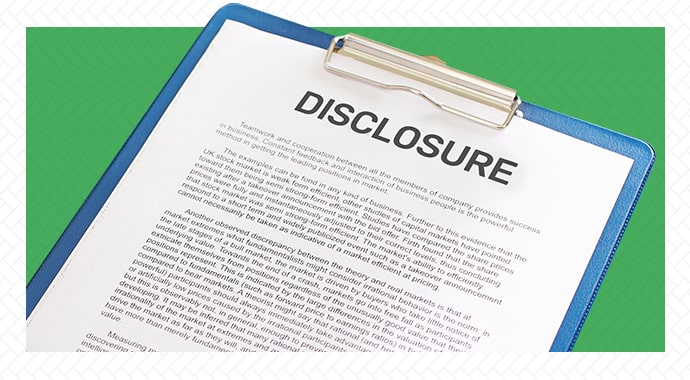
Sellers of residential property must complete a written disclosure under the Alaska Disclosures in Residential Real Property Transfers Act — unless both buyer and seller agree in writing to dispense with the form.
When this disclosure is used, it must be presented before an offer is made on the property. This allows prospective buyers to consider necessary repairs before writing a contract to purchase.
The comprehensive form asks sellers to be transparent about any material defects that would impact the value of the house or risk the health and safety of the new occupants.
Alaskan sellers completing the form must share information when selling a house with fire, water, or foundation damages.
Owners also need to disclose the presence of asbestos, mold, and radon gas.
Homeowners must also note specific details on the form when selling a house in a flood zone, unpermitted work on the property, or when selling a house with lead pipes or polybutylene pipes.
While a haunted house isn’t specifically mentioned on the form, insect infestations like bed bugs or a home with termite damage are categories on the official disclosure.
Selling a house with septic system failure or hydraulic fracturing (fracking) on the property must also be disclosed.
When you’re selling a house with lead paint, you’ll need to disclose that on the state form, and also follow the directions listed on the federal lead paint disclosure to notify prospective buyers.
The federal disclosure is required even when sellers refuse to complete the state form.
You can leave stuff behind when you sell your Alaska house ‘as is’ when both seller and buyer agree to this as part of the written sales contract.
Should I Sell My House As Is in Alaska?
The first question you need to answer is, “Should you sell your Alaska house ‘as is’ or fix it up?”
Let’s begin by considering the advantages and disadvantages of each approach.
“Why sell an Alaska house ‘as is’?” There are a number of benefits.
Pros of Selling Your House As Is
- You’ll eliminate the hassle and expense of locating contractors to do repair work. And if you’re doing repairs yourself, you’ll skip those time-consuming chores.
- Selling a house in ‘as is condition’ moves much faster compared with the time required to do repairs and then list the property. That’s particularly true when you sell to an Alaska cash house buyer. Cash investors don’t require traditional lender approval or property appraisals. That can cut weeks off the time to close escrow.
- As is sales avoid the back-and-forth negotiations that take place over repairs after your buyer receives a detailed report from an Alaska home inspector.
- Many as is buyers will allow you to leave unwanted items behind in the property. This is true of cash investors who’ll handle all the disposal chores.
There are a few downsides to selling a fixer.
Cons of Selling Your House As Is
- You won’t receive a turnkey price for your property. Buyers will incorporate the cost of repairs in assessing the home’s value. Reviewing the estimated closing costs for sellers can help you evaluate offers on your property to ensure they cover your target sales price after covering your commission costs and closing fees.
- The vast majority of your buyer pool isn’t interested in fixers. Selling ‘as is’ restricts your list of prospective buyers to a small group.
Once you’ve made up your mind about fixing and you’re ready to sell, the next question is, “How do I go about selling my house ‘as is’ in Alaska?”
Let’s start this part of the guide by detailing a sale to an Alaska cash real estate buyer.
How to Sell a House As Is By Owner Without an Agent in Alaska
How to Sell a House As Is, Fast and For Cash Directly to an Investor
Who Are Cash House Buyers?
Cash home buyers are investors who focus on purchasing real property. Investors may operate independently or work as a collective investment firm. Some hedge funds also buy real estate as cash investments.
Investors might use personal cash, but many borrow from private funders. Private funds don’t have the long delays that traditional mortgages require.
There aren’t any lender appraisals or underwriters required to approve loans in an investor sale.
A cash sale to an investor can close in a matter of days, as opposed to the weeks or months involved in a traditional mortgage transaction.
When you sell your house to a real estate investor, it’s typically a fast transaction.
Some investors buy Alaska investment properties to repair and then resell to others. This is known as house flipping.
Real estate investors in Alaska also specialize in buying rental homes or in purchasing homes to convert to rentals.
Cash investors work with:
- heirs who are selling a house after a death in the family
- homeowners selling a damaged house
- former partners looking to sell a house before or after divorce
- empty nesters looking to downsize
- employees selling a house for job relocation
- owners selling to avoid a loan foreclosure
- property owners selling a house with unpaid property tax
Local investors generally work with Alaska investor-friendly title companies that have experience handling cash sales.
Pros of Selling Your House As Is Directly to an Investor
- A company that buys houses with cash can close quickly, sometimes in only a week.
- Cash allows you to skip mortgage appraisals and mandatory lender underwriting. Investors also won’t require a parade of home inspectors who write reports listing damages you’ll need to handle before closing the transaction.
- Investor sales don’t require you to pay agent commissions. That means significant savings! Alaskan real estate commissions can set you back on average 1-4% of the final sales price.
- Cash buyers will pay your closing costs.
- Investor transactions generally involve less paperwork, fewer negotiations, and far less hassle compared with a traditional property sale.
Cons of Selling Your House As Is Directly to an Investor
- The offers you’ll receive from investors won’t match offers on turnkey properties. An investor subtracts the cost of home repairs from the after-repair value of your home. They’ll also consider the cost of operating a business when developing an offer.
- While you don’t need a realtor to sell to an investor, this also means you won’t have the professional advice a real estate agent can provide. But working with an investor with at least three years of experience and a long list of closed sales reduces the risks.
Finding the Best Cash House Buying Company
Locating cash house buyers is easy when you use the internet and your favorite web browser. Use this list of search terms (and substitute your city) to collect contacts for your local area.
- we buy houses Fairbanks AK
- sell my house fast Fairbanks AK
- cash house buyers Fairbanks AK
- sell my house for cash Fairbanks AK
- iBuyer companies Fairbanks AK
Once you have a list of prospective investors, it’s time to do some additional background research.
How to Choose an Ethical Investor?
Locate the “About Us” page on the investor or investment company website. If this information isn’t offered on the site, cross that prospect from your list.
Ethical investors are transparent about their training and experience.
The Better Business Bureau is another valuable resource for researching your prospects. Local branches of the BBB handle consumer complaints.
Check with your BBB branch to see if there are any complaints filed against the investors on your list.
Conduct a similar search by using online review websites that host consumer complaints. If you’re seeing an investor’s name appear next to tons of complaints, scratch them from consideration.
All this research takes time, and you can avoid it when you request a cash offer from HouseCashin.
You’ll receive offers from prescreened and vetted investors by submitting just one quick online request.
HouseCashin does the heavy lifting for you. The offers you’ll receive are from experienced professionals with a long list of closed sales.
There’s never a fee for the offers, no matter how many offers you receive! And there’s no obligation to accept any offer.
When you’re ready, request your cash offers or by using our website.
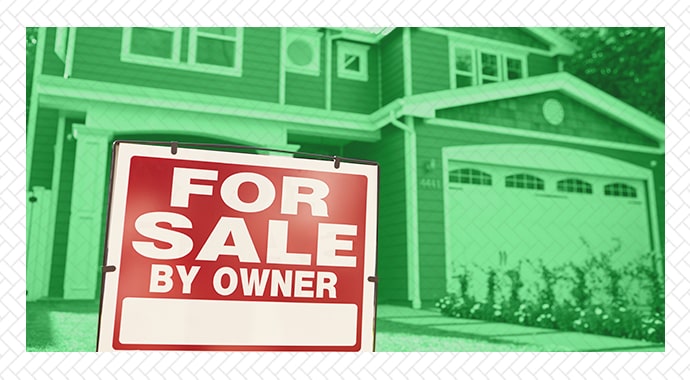
The next option is to sell your house yourself. This is known as a for sale by owner or an FSBO listing.
How to Sell a House As Is by Listing It by Owner
Selling your home in Alaska through FSBO (for sale by owner) means navigating the sale by yourself without any help from a real estate professional.
Although it gives you the freedom to take control of the entire sale process, there are critical steps that should be kept in mind to make it a success. Foremost of which is determining how much your home is worth.
You don’t want to price your property too high as it might scare buyers away. On the other hand, pricing it too low could mean leaving money on the table.
By doing a bit of market research or even getting an appraisal, you can make sure you’re positioned just right to attract the right buyers.
However, the toughest part of the FSBO process is locating potential buyers. Let’s check out your options.
Where Can You List a House For Sale by Owner?
The easiest way to list as an FSBO is to put a sign on your property. That works best with a home in a well-trafficked area. Not so much in isolated neighborhoods or rural areas.
One method to get the word out about your house is to use the internet. There are a number of FSBO listing sites to assist you in this process. Most are free, but some charge a nominal fee for their listing services.
Some old-fashioned legwork also helps market your property. Print up some flyers to distribute to houses in your area. Your neighbors may have relatives and friends who want to live nearby.
FSBO sales offer a number of benefits for sellers.
Pros of Selling Your House by Listing It by Owner
- The biggest advantage for many homeowners is the cash savings in listing as an FSBO. You’ll avoid the commissions that brokerages charge.
- Operating as your own agent allows you to have the final say on the sales calendar, as well as all the details involved in the marketing and closing.
- Your house is your exclusive listing. While a real estate agent has multiple clients, you can devote all of your time and energy into marketing your home.
Cons of Selling Your House by Listing It by Owner
- You’ll need to have the skills and time to assist home shoppers who are interested in buying, but also need to apply and be approved for a mortgage. The delays involved in lending add weeks, sometimes months, to your closing calendar.
- You won’t have anyone to turn to for advice when you have a real estate problem that requires expertise and experience in the field. You are on your own to deal with the issue.
- You will own any mistakes you make. This may see you in court when a buyer is extremely unhappy with the actions you take. Understanding the closing costs when selling a home by owner can assist you in avoiding some common errors.
The last sales option we’ll cover is to hire a real estate agent to represent you.
How to Sell a House As Is in Alaska with an Agent

Who Are Real Estate Agents?
Real estate agents assist homeowners, buyers, and renters through the legal hoops of locating or selling a home. They will market your house and oversee all aspects of the sale, including closing.
Agents in The Last Frontier state must hold a state-issued license and work under the supervision of a licensed real estate broker who checks their actions at every step.
When you meet an agent using the title “Realtor”, that means the professional is a member of the Alaskan branch of the National Association of Realtors (NAR).
The NAR is a trade organization promoting ethical real estate practice. They oversee member agents to ensure they operate according to high ethical standards.
The association fines and removes members for misconduct.
There are a number of advantages when you work with a licensed agent.
Pros of Selling Your House As Is with a Real Estate Agent
- Realtors use a database of sold listings to assist you in setting a sales price. This helps you sell quickly or for the highest price, depending on your objective.
- Professional agents take courses in contracts, marketing, and escrow procedures to make sure your sale operates legally and without any snags. An agent is your fiduciary who puts your needs first.
Selling with an agent has some significant disadvantages, too.
Cons of Selling Your House As Is with a Real Estate Agent
- Alaskan real estate commissions average between 1-4% of your home’s sales price. Even though you can negotiate these fees, the average Realtor cost to sell a home is the most significant amount of the seller’s closing costs in Alaska.
- Typical buyers brought to you by an agent don’t set out to purchase a fixer, so your buying pool will be smaller. Selling your property ‘as is’ may also relegate you to the bottom of the showing list for many local agents with buyers shopping for turnkey homes. Your agent’s brokerage may also spend less time and energy marketing a house that needs repairs.
- The majority of buyers’ real estate agents will market your listing to require a mortgage to buy. That automatically means a longer escrow period due to lender qualifications. You’ll wait for your buyer to apply and qualify for a loan, and you’ll have more delays while the lender has your home appraised and an underwriter reviews the mortgage application.
How to Choose an Ethical Real Estate Agent?
Alaska has a number of licensed real estate agents, but finding an ethical one with experience selling in your neighborhood may take some research.
Begin by looking for sold signs on properties in your neighborhood. Ask friends and family members if they’ve recently completed a sale with an expert agent.
Make a list of those recommendations and then use the Alaska MLS Real Estate Professional Search to narrow your list to agents with at least three years of experience in sales of properties that match your house.
The MLS feature allows you to see recent sales closed by each agent.
Check the local Better Business Bureau (BBB) and online websites that allow consumers to weigh in on agent services.
If you’re finding numerous complaints for any agent, remove them from consideration.
Once you have your top three, make a listing appointment with each one to discover what services they can offer. Ask to see their professional listing portfolio and a contact list of former clients who can recommend them.
Contact several on the list to ensure they’re legitimate, and then select the agent with the best plan and the one you feel has the best communication skills. This skill will be important throughout the sales process.
