
4 Best Ways for Selling a Home in Washington, DC
Even though the information on this web page is provided by a qualified industry expert, it should not be considered as legal, tax, financial or investment advice. Since every individual’s situation is unique, a qualified professional should be consulted before making financial decisions.
This article explores how to sell a home in the District of Columbia. We’ll outline four common ways with the pros and cons to help you select the best one for your home sale.
We’ll then track the steps in a typical sale. Let’s begin with the quick private sale.
#1 How to Sell a House in Washington, DC Privately

Selling a house in Washington, DC in a private sale eliminates some major headaches that happen in many home transactions.
Buyers who need a mortgage to purchase a house take weeks to apply and qualify for a loan, and there’s no guarantee they’ll qualify after they’ve applied.
Private sales are all-cash transactions, so there’s no qualifying required. You won’t be waiting weeks to find out your buyer didn’t get approved for the mortgage to purchase your home.
Lenders require properties to appraise at least at the price of the sales contract.
When your property appraisal comes in below your buyer’s contracted price, you’ll need to either renegotiate the sales price or locate a buyer who has cash to purchase your home for that amount.
You won’t have any appraisal problems in a private sale because there aren’t any lender appraisals.
Private sales are also fast. They are all-cash transactions, so your buyer isn’t under the microscope to qualify for a mortgage. That speeds up the process dramatically.
Private sales are also discreet. You’ll skip the parade of prospective buyers arriving with minimal notice to view your home. You also won’t have looky-loos rummaging through your closets at open houses.
If a fast, all-cash transaction that doesn’t risk falling apart due to buyer qualification problems seems appealing, then the private sale is a perfect match for you.
The next segment introduces private buyers.
What Are Home Buying Companies?
There are real estate investors who buy investment properties in DC.
Some of them focus on buying real estate for rental income, while others purchase property that needs repairs to fix and resell to others.
Real estate investors in DC purchase all types of properties, whether single-family or multifamily homes. Many also invest in condos and manufactured housing, and even vacant land.
The home’s condition isn’t an issue for investors. They purchase turnkey houses where buyers need only to unpack, but they also buy properties in as-is condition where everything needs to be upgraded or repaired.
Selling a house privately has special benefits for the homeowners who are:
- selling a house to avoid foreclosure
- selling a house with sitting tenants
- selling a house after a bankruptcy discharge
- selling a rundown house
- selling a home in probate
- selling a house with an IRS tax lien
- selling a hoarder’s house
- selling a house to downsize
- selling a house during a divorce
- selling a house for a job relocation
When you sell your home to a real estate investor, the professional buyer may use DC investment-friendly title companies. These firms have experience in handling rapid, all-cash sales.
Exploring the benefits and disadvantages of the private sale can help you make up your mind to sell your house to an investor or to use a different sales method.
Pros of Selling to a Home Buying Company
- You’ll sell your home fast when you close in a sale to an investor.
- Sell your DC house for cash, and you won’t need to worry that the sale won’t close due to the lender’s failure to confirm the buyer’s creditworthiness. Investors pay cash, so there’s no lending underwriting required.
- There are no repairs and no home prep involved in a sale to a professional cash buyer.
- You won’t have to pay any Realtor commissions when you forego using an agent.
- Investors typically pay the seller’s closing costs.
Cons of Selling to a Home Buying Company
- Real estate cash buyers in DC generally won’t pay market value for a home.
But before you discard an offer from an investor for this reason, it helps to sit down with pen and paper and do some calculations.
An offer from a buyer using a real estate agent may match market value, but you’ll need to subtract the real estate commissions you need to pay from that amount.
Realtor commissions in Washington, DC are approximately 5.5% of the final home price. That payment is deducted from the price on an offer made through an agent.
The same is true of your closing costs. These fees run between 2.5%-5% of the final sales price of your house. Those costs must also be deducted from the sales price listed on that contract.
When you sell to an investor, the price listed on the offer is the money you will receive. You won’t have any deductions for commissions or closing costs.
When you’ve done the math, the investor’s offer might just be your best option since it also has the advantages of avoiding home prep and waiting while your buyer takes the long journey through the mortgage process.
How to Find an Ethical Home Buying Company
Just like any profession, the home investing industry has its share of companies that are less than ethical. The same can be said of the field of real estate agents and mortgage lenders.
The key to locating ethical investors is to screen your prospects carefully to sort the quality cash buyers from the others.
There are a number of ways to do that, but they begin with identifying a few investors for in-depth vetting.
Begin your search on the internet by using terms such as “sell you home for cash DC” or “we buy houses in DC”. Once you’ve made a list, it’s time to do the in-depth vetting.
Examine the investors’ websites to ensure your prospects have at least three years of experience and that they hold memberships in local community groups and professional associations.
Then, review the comments made by former clients and remove any investors with negative feedback from your list. Yelp and Real Estate Bees are online forums to use for this.
There’s a way to streamline this process, while also ensuring you will be dealing with professional investors with years of experience and a record of closing sales.
That way is to request a cash offer on your house by using our online form. Once you’ve completed the quick and easy request, we’ll use it to match you with vetted local professionals.
There are no fees and no obligations — select an offer that meets your needs or reject them all.
#2 How to Sell a House in Washington, DC Traditionally

A traditional sale is one where a real estate agent represents you in the transaction. Let’s see how it works.
Who Are Real Estate Agents?
Your real estate agent is your personal fiduciary. They represent you in all stages of the listing and sale, and they’re required to put your interests above all others.
Your agent has the training and experience to list your home, market it to prospective buyers, field offers on your behalf, and represent you after you’ve signed a purchase contract with a buyer.
An agent works as part of an office brokerage that is supervised by a licensed broker. Agents using the title of “Realtor” are members of the DC Association of Realtors (DCAR).
The local association is part of the National Association of Realtors, a trade organization that promotes professional standards in real estate and holds members to an oath of ethics.
Before signing a listing contract with a Realtor, it’s important to consider both the advantages and disadvantages of using a brokerage.
Pros of Using a Real Estate Agent
- When you sell a property in Washington, DC with a real estate agent, you’ll have an agent expert who is licensed in real estate law, practice, and marketing.
- Realtors have access to the Multiple Listing Service (MLS). This proprietary database catalogs the prices for current listings, and also prior sales, and can assist you in setting an asking price for your home.
- Your agent is your fiduciary and can handle the day-to-day duties required during your sale. This frees you to go about your normal activities.
Cons of Using a Real Estate Agent
- The average Realtor costs to sell a home are a major downside for many homeowners. They’re the largest items on your closing costs.
- Your home won’t sell immediately, and if it’s a fixer, it may take a very long time to find a buyer.
- Real estate agents typically bring buyers who need mortgages. This adds weeks to the closing calendar for your sale.
How to Find a Good Real Estate Agent
Friends, coworkers, and neighbors are excellent resources for agent recommendations. The DCAR’s Find a Realtor search feature can also assist you in locating an agent in your area.
Look for real estate agents with a minimum of three years of selling homes in your area. Specific sales experience selling properties in your neighborhood is an additional plus.
Vet the agents on your list of prospects by confirming licenses are current and without any restrictions. You can do this by using the DC Department of Licensing and Consumer Protection’s website.
Skim local consumer feedback online to ensure the prospects on your list don’t have too many negative reviews. Yelp, Real Estate Bees, and the DC department of BBB (Better Business Bureau) are good places to begin this research.
Once you’ve done the preliminary screening, invite the agents to do a formal listing presentation for your property. This should include a marketing plan developed specifically for your home.
Select the agent with the best presentation and one you feel you can work well with, and then sign a listing agreement and the agency disclosure.
#3 How to Sell a House in Washington, DC Without Middlemen
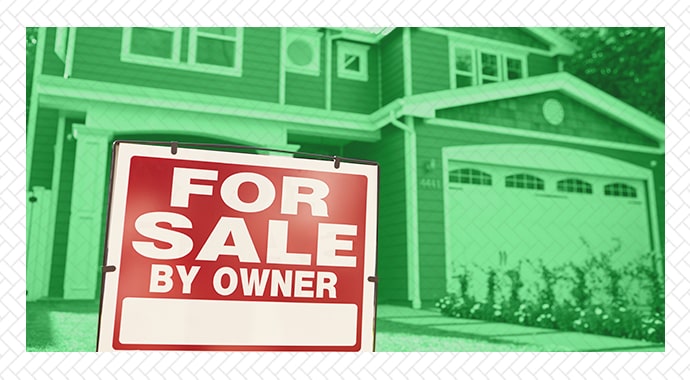
A “for sale by owner’ listing (known as an FSBO) has the homeowner take over all the duties that a Realtor would handle in the traditional sale.
The first step for an FSBO seller is to determine a target buyer pool and to take an inventory of the sale property.
If you’ve targeted the general public, and your home inventory lists a multitude of repairs and necessary upgrades, you have your work cut out for you. You may need new paint and flooring upgrades, at a minimum.
The public likes to see homes that are move-in ready, without any major repairs left to be done. In some areas, this may require hiring a stager to make your house turnkey-ready.
If your target buyer pool includes investors, then there’s nothing for you to repair. Cash buyers purchase properties in as-is condition. They don’t require any renovations or even cleaning.
The next step in the FSBO process is to set a sales price. If you’re unsure about establishing an asking price, an online estimator can help you find your home value.
You’ll also need to complete a series of property disclosures that will be given to prospective buyers before they make an offer on your home.
The general residential disclosure law requires you to share details about your house, while the more specialized forms, such as the UST Real Estate Transfer Disclosure Form, obliges homeowners to be transparent about any underground storage tanks on the property.
The most challenging part of the FSBO sale for most homeowners is attracting prospective buyers.
Ways to Market Your House Yourself
- “For sale” signs identifying your home as an FSBO let your neighbors and any passersby know your house is on the market. Your signs should list several ways for prospective buyers to contact you.
- Video tours and short informational reels are a way to allow interested buyers to view your home online. These are free to post on websites such as YouTube.
- Print flyers are old school, but they offer an inexpensive and effective way to allow prospective buyers to keep information about your property for further reference.
- Online advertisements posted on the best FSBO websites bring more attention to your listing from buyers outside the area.
Before taking on the job to manage the sale of your home, it’s important to consider not just the benefits, but also be prepared for any of the downsides of the sales method. Let’s review them.
Pros of Marketing Your House Yourself
- When you sell your home yourself, you’ll avoid paying your side of the real estate commission as part of your closing costs in DC.
- You are in charge of everything related to the listing, sale, and closing.
- Agents typically work with multiple clients, but you have only your home to market and sell.
Cons of Marketing Your House Yourself
- State and federal regulations are a complex web that you must navigate to sell your home. This isn’t an easy task for most homeowners.
- If you make a mistake during the sale, your buyer may sue you for the error — even when it was unintentional.
- Some FSBO closing costs can be negotiated. Unless you know this, and how to negotiate the fees, you’ll end up paying more closing costs representing yourself in the transaction.
- Property pricing requires training and experience. If your price is too high, you’ll sit on the market for some time. Price your home too low, and you’ll miss out on additional cash. Many FSBO sellers actually get less money than if they paid a Realtor to sell their house.
Our last sales method has two transactions taking place almost at the same time.
#4 How to Sell and Buy a House at the Same Time in Washington, DC
You want to sell your house and buy another one. You don’t want to move out before buying a new home, but neither can you buy a new house without the money from the sale of your current property.
Some DC iBuyers offer a “buy before you sell” service to help you with that. They’ll buy your house so you can take that cash equity to buy your new home.
Once you’ve closed that transaction, the iBuyer will close the sale on your current home and you will move out.
It’s especially a good solution for homeowners who found another house to buy and need to move quickly to make sure they don’t lose it to another buyer. Owners simply need to ask the iBuyer for an offer.
The iBuyer will quickly purchase the property so the homeowner can use that cash equity to close the sale on their new home.
That eliminates the need for a contingency offer (an offer stipulating that you’ll close on the new home once you’ve sold your current house).
Sellers aren’t fond of contingency offers. They put them at risk when the buyer can’t sell their property to close the sale.
iBuyer sales also have the advantage of a cash sale: you sell your house for cash, and you offer cash to the home seller. No mortgage lenders involved.
We’ve outlined the most common ways of selling a property in Washington, DC. The next segment of our article highlights the steps involved in any real estate sale.
Home Sales Process in Washington, DC

Although there are differences in steps between the different sales methods, your transaction will follow a general pattern from pre-sale through the final closing.
Before Signing a Purchase Contract
Before any offers or contracts, you’ll need to do home preparations and decide on the sales method you want to use.
The general public requires uber-clean properties with few required repairs, so prep may take some time, effort, and cash to get ready for that buying pool of home shoppers.
Except for selling to a “we buy houses” company — they won’t even ask you to clean the house.
You’ll then need to set an asking price and complete the required home disclosures to give to prospective buyers.
Our article,“How Selling a House As Is Works in DC,” provides more detailed information about the required home disclosures.
If you chose to sell through an agent, you’ll need to interview Realtor prospects, sign a listing contract, and complete the agency disclosure.
Marketing the Property
Your marketing approach will depend on how you sell your home and whom you decide to target as your buyers.
Your agent will handle the marketing, but when you sell as an FSBO, you’ll take on all those tasks. A marketing plan might include signs, print and virtual advertising, and a calendar of open houses.
Investors don’t require any marketing. Simply request an offer.
Accepting an Offer
The earnest money deposit is a good faith payment that your buyer intends to close the sale on your home. All of your offers will be accompanied by an earnest money deposit.
When selling as an FSBO or to an investor, all offers will come directly to you. When your home is listed with a brokerage, your agent will handle offers and counter offers.
Once you accept an offer, the earnest money deposit will be transferred to the transaction escrow account.
Buyer Due Diligence Period
Once you’ve accepted an offer on your home, the buyer will swing into action during the due diligence period.
Your buyer will hire home inspectors, contract for hazard and title insurance, and arrange for a mortgage, when they aren’t buying with cash.
Your title and escrow agents will complete the required title search and legal paperwork during this time.
Your buyer has the right to a final walkthrough of the property before the closing.
While a real estate attorney isn’t required for the closing, you or your buyer may elect to have one present to supervise and to review the documents before signing.
Federal law requires you to sit down with your escrow agent (or your attorney) to review your costs and fees three days before closing.
You’ll see commission charges when working with an agent. FSBO sellers avoid those fees, but both agent and FSBO sales will see charges for closing costs on the final accounting.
If you sell to investors, you avoid both commissions and closing costs.
Closing
Closing is the time for the official signatures on the legal documents required for the transaction.
You’ll turn over the keys to the new owner, and a new deed will then be filed with the Recorder of Deeds, part of the Office of Tax and Revenue.
Your sale has now been finalized!
Next Step

We’ve outlined the four most common ways to sell your home in Washington, DC and the steps involved in a typical sale.
It’s now time to do your research to vet real estate agents and cash buyers. We can help with screening the investors.
Our partnering investors have been prescreened for their expertise and vetted for their sales record. They are professionals who can close all-cash sales quickly.
Requesting cash offers is easy by using our website. It takes just a couple of minutes and doesn’t involve any fees or any other obligations.
Get a few offers and choose the best one, or decline all of them.
