
How to Sell a House Privately (All About Selling a Home)
Even though the information on this web page is provided by a qualified industry expert, it should not be considered as legal, tax, financial or investment advice. Since every individual’s situation is unique, a qualified professional should be consulted before making financial decisions.
This guide explores what happens if you sell your house privately.
We’ll walk through the pros and cons of common sales approaches, detail the selling process itself, and answer a few questions about selling as a for-sale-by-owner (FSBO) listing.
Selling a House Privately vs an Agent-Assisted Sale

Let’s start by comparing listing with an agent, opting to sell your house privately to an investor, and serving as your own agent to sell your property yourself to non-investors.
When you’re done reading, you’ll be able to answer the question, “Is it better to sell your house privately or traditionally?”
Pros and Cons of Selling a House With an Agent
Real estate agents are salespeople who will market your property, negotiate with your buyer on your behalf, and oversee the whole transaction process.
There are several concrete benefits to selling by using an agent.
Pros of Selling a House With an Agent
- Licensed agents are trained in real estate law and practices. That ensures your marketing and sales paperwork adheres to local, state, and federal laws.
- Realtors have access to comprehensive databases that compile home sales in your local market. This information includes details about the properties and helps you set an aggressive price that will still attract potential buyers.
- The agent is your fiduciary. By law, they must put your interests first.
- Your agent will handle all the listing and sales legwork. They’ll post your home on a multiple listing service, giving you buyer exposure, guiding contract negotiations, wrangling home inspectors, and supervising the escrow process.
Agent sales aren’t a selling panacea. There are some drawbacks to using a real estate brokerage.
Cons of Selling a House With an Agent
- A real estate agent will normally publicly advertise your house for sale. Not a good option if privacy is your priority.
- Agents don’t volunteer their experience, skills, and expertise. They charge fees for their services that average 2.5-6% of the final sales price, making the cost of selling a house with a realtor high.
- You’ll need to sign a listing agreement to use a real estate brokerage and your agent representative. If you’re not happy with your agent, it may be tough to exit the contract.
- You won’t be your agent’s only client. You’ll share that professional with a host of others. That means time taken away from the marketing and promoting efforts for your property.
- Agents typically want sellers to make repairs and clean out properties before the listing.
- Realtors work with buyers who expect to have home inspections, and have the buyer wait for them to obtain a mortgage to buy the property.
Pros and Cons of Selling a House Privately to a Real Estate Investor
Instead of hiring a real estate agent, you can sell your house directly to a real estate investor.
These investment companies or individuals buy houses in order to convert them into rental properties, or repair and resell.
Before selling your home privately to a real estate investor, it’s wise to review the advantages and disadvantages of the sale.
Pros of Selling to a Real Estate Investor
- Private sale process. You don’t have to advertise your property. Only you, the investor, the escrow and title company, and closing attorney (if required by state laws) will know about the real estate transaction.
- Speed. Your sale will have a rapid closing.
- Cash. You won’t have the delays that mortgages require. Your investor pays cash.
- Flexibility. Cash property buyers will work with you to make the sale easier.
- No cleanouts. You can pack what you want and leave the rest for the investor to handle.
- Less stress. You’ll skip house showings, endless contract negotiations, and property inspections.
- No seller closing costs. Real estate investors typically pick up the seller’s closing fees.
- No commissions. This can save sellers between 2.5% and 6% of the sales price.
Cons of Selling to a Real Estate Investor
- Sales price. You may have a lower sales offer than the one a realtor might bring you. But the overall proceeds from the sale might be in line with the market value of your property.
Pros and Cons of Selling a House Privately by Owner
The FSBO (for sale by owner) method has property owners take on all the duties of the home sale without any assistance from a real estate professional.
Pros of FSBO Selling
- You are in charge of everything related to the sale. You can work the sale details to align with your personal schedule.
- The greatest benefit for most FSBO sellers is the cash savings from not paying any commissions. Commissions total 2.5-6% of the sales price, so FSBO closing costs are lower than if you hire a realtor.
Cons of FSBO Selling
- If you want to sell your house without advertising and not to a home buying company, you may have a hard time finding interested buyers for your home.
- FSBO sales prices are usually significantly lower than other types of residential sales. This is because homeowners lack the skills to determine their home’s value, price it appropriately, and negotiate.
- Unless you’re trained in contract and real estate law, you can make mistakes in wrangling your sale. Major errors might have you end up in court when a buyer sues for that misstep.
- You’ll need to do your own marketing, and most sellers don’t have sophisticated experience in promoting a property to private buyers. FSBO houses often sit without buyers for a long time.
- Negotiating a sale price for a home is a difficult process. You’re in uncharted waters when you go it alone in selling your house. You are your own fiduciary, and that’s a scary situation when you sell without professional backup.
- Most of your buyers will expect concessions such as making repairs or a reduction in the price to pay for the fixes.
Where Do I Sell My House Privately?
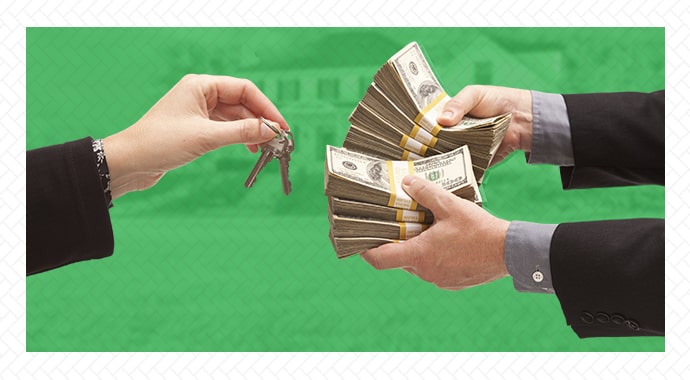
You can sell your house without a real estate agent, and there are several avenues to do that.
The easiest way is to put a sign in the yard and hope a buyer passes by. That’s not the most effective sales technique, even in a hot market.
And if by “privately” you mean no public advertising, this method doesn’t work for you.
Another difficult approach is to market your house by hiring professionals to create marketing materials to promote your house sale.
That is more effective than a sign, but it still could take weeks or months to attract a buyer, and it’s costly. It also entails public advertising.
The easiest and fastest way to sell privately and discreetly is to sell to a professional real estate investor.
But you might be unsure of how to find an ethical investor who can close the sale quickly without any major hassles.
HouseCashin offers a fast and easy way to request cash offers from reputable investors with the expertise and experience to buy your property.
One online request brings offers from a few vetted professional investors partnering with HouseCashin.
You can use the request button on the website, or use this link to get cash offers.
Select the investor’s offer that fits your needs, or decline all offers. There’s no obligation, and the offers are free.
The Process of Selling a House Privately
Here is how to sell your house online privately without estate agents:
- Prepare your house for the market. Typical buyers brought to you by a realtor want a turnkey property. However, real estate investors specifically look for people selling a house as is, so you can eliminate this step when selling to a professional cash buyer.
- Complete the state-mandated property disclosure.
- Market your property. Research to find the most productive marketing approaches for your local real estate market. However, selling to an investor allows you to skip this step.
- Review offers and accept the best one.
- Open escrow on the sale.
- Allow home inspectors to examine your house. Most of the time, this step isn’t necessary for an investor sale.
- Renegotiate the sale price if your buyer reviews the home inspection report and finds damages not outlined in the property disclosure. This rarely happens when selling to an investor, as most often they don’t conduct inspections.
- Wait for the buyer to apply and be approved for a home loan. Lenders and any of the steps involving a mortgage loan aren’t required when selling to an investor.
- Allow the lender’s appraiser to tour the property and provide a market value. This does not apply to an investor sale.
- Wait for final loan approval, which is not applicable to an investor sale either.
- Clean the property out. This step also isn’t necessary when selling to an investor.
- Close escrow and pay the fees. Cash investors will supervise this process, and they’ll pay all closing costs.
As you can see, the real estate sales process is lengthy, but selling to a cash investor removes nearly half of the steps compared to selling with a Realtor, or representing yourself in the residential sale.
How Long Does It Take to Sell a House Privately?

The answer to this question depends on several factors, but in any market, by far the fastest private sale is one where the buyer pays cash and has a history of closing quickly.
The only buyer in that category is a professional real estate investor.
Hands down, that’s the quickest sale with average closing times of 3-30 days from the signatures on the sales contract to the close of escrow.
There are also other important factors to consider when you want to sell your home quickly without the assistance of a real estate agent.
When you live in a slow local market without a large buying pool, you’ll sit for weeks, maybe months or longer, compared with faster markets in other states.
Some other important factors influencing the speed of residential sales include the location of your home, type of property, condition, seasonal factors, availability of mortgage loans, and even the weather.
Selling to a local cash investor removes many of the elements that prolong the closing time in traditional sales.
How Much Do You Save Selling Your House Privately?

By selling a property privately to an investor, you’ll eliminate the expense of cleaning out your property.
This can add up to thousands of dollars, depending on the amount of cleanout needed and the size of the house.
No need to spend cash and energy on making your house a turnkey property when you sell as a fixer.
Representing yourself or selling to a cash investor allows you the freedom to list your house in as-is condition.
Selling as-is means you can pocket thousands more when you don’t need to repair damages. The average price of a new roof, for example, is more than $10,000.
You can save even more cash before escrow closes when you sell privately to an investor. Cash buyers typically pay your escrow fees.
Those costs generally depend on the sale price, but on average, you might save up to 5% of the final price when the investor covers closing fees.
Legal Requirements for Selling Your House Privately
What you need to do if you are selling your house privately involves following municipal rules and federal laws. The legal paperwork required in a private or FSBO home sale includes:
Listing Contract
A contract is necessary when listing with a real estate broker, but it isn’t required when you sell to a professional cash house buyer.
Property Disclosure
States require various disclosures.
When a property condition disclosure is required by the state legislature, any type of sale, agent or private, must include a completed form that is given to prospective buyers and to the escrow officer.
Federal law requires buyers to complete a lead-paint disclosure and provide a copy to buyers. A pamphlet covering the risks of lead and ways to mitigate that risk must also be given to buyers.
Sales Contract
Property transfers must use a sales contract that includes several elements to be legal.
The contract must have the date of the sale, names of the seller and buyer, purchase price, legal address of the property, type of sale, and the payment terms.
Property Title Report
A legal title search is done, and a report is filed as part of a property sale. This report tracks the parcel’s legal owner and any liens on the residence.
It also lists any covenants, conditions, and restrictions on the sale property.
Property Deed and Transfer
A legal deed shows ownership, and the transfer moves that ownership from the current owner to the new buyer.
Transfer Tax Declaration
Many states, counties, and municipalities collect taxes on the transfer of real property, and the tax declaration statement documents this charge.
HOA Application
Homeowner associations may have applications that new homeowners must complete as part of the purchase process. Some also demand an initial payment to process that paperwork.
Mortgage Documents
Federal law mandates that mortgage lenders require borrowers to read, understand, and sign several documents before funding a property loan.
Closing Statement
The closing statement is a federally required line-item statement that lists the costs and fees involved in the home sale.
Do I Need a Lawyer to Sell My House Privately?

Maybe. Some states require a real estate attorney to draw up the sales documents or oversee and finalize an escrow agent’s work to close a property sale.
Sellers and buyers may elect to have a licensed real estate attorney review a listing and sales contract to ensure the legal requirements have been met, but that’s not a requirement.
Can I Sell My House Privately After Listing with a Realtor?

You may ask, “Can I take my house off the market and sell privately?” Yes, you can, if your listing contract allows it.
An “open listing agreement” allows the seller to market, locate a buyer, and sell themselves without paying a commission to a listing agent.
You cannot take your house off the market and sell privately when the listing is an “exclusive agency listing.”
You can ask to have your house removed from the market under an exclusive agency agreement, but your agent must agree.
Your agent’s supervising broker has the right to hold your house until the listing contract expires.
When your agent removes your house from the market after releasing you from an exclusive agency listing, you’ll still pay a commission when the house is sold to a buyer who toured your house while it was under contract to the agent.
Your former agent can claim they were the “procuring agent,” meaning they found the buyer that you later sold to — and they have a right to a commission for that sale.
If you believe you’ve done all the legwork to sell, you might be able to pay a referral fee to the agent instead of a full commission.
This period of exclusivity typically has an expiration date that limits the agent’s right to a commission. That date should be stated in the original listing contract.
If your agent isn’t fulfilling their duties as outlined under the listing agreement, you may be able to challenge claims to any commission. A real estate attorney can assist you in resolving this issue.
We’ve covered the steps to selling with and without a real estate agent, explored the pros and cons of the various selling methods to sell your house, and ended by answering some questions about home sales. Good luck!
