
4 Best Ways for Selling a Home in Delaware
Even though the information on this web page is provided by a qualified industry expert, it should not be considered as legal, tax, financial or investment advice. Since every individual’s situation is unique, a qualified professional should be consulted before making financial decisions.
This article describes how to sell a home in Delaware by using four common sales methods.
We’ll explore the pros and cons of each one and then trace the steps in a typical sales transaction.
Let’s begin our overview with the private sale.
#1 How to Sell a House in Delaware Privately

Private sales are fast and prevent the headaches of other sales methods because they’re an all-cash transaction.
By selling a house in Delaware privately, you avoid the major delays of a traditional sale.
Since private sales use cash, that eliminates the weeks of delay that lenders require to qualify buyers for a mortgage.
When you sell a property in Delaware by using a private sale, you also have the security of knowing that the sale won’t fall apart when your buyer doesn’t qualify for a home loan.
You’ll also avoid the risk that the lender’s appraisal doesn’t match your buyer’s sale price. There’s no lender qualifications or appraisals in private sales transactions.
A private sale is also discreet. The general public, and your neighbors, won’t be touring your open house for an afternoon of entertainment that includes looking through your closets.
So, just who are these private buyers, and how can you contact them for an offer on your home? Let’s answer those questions next.
What Are Home Buying Companies?
Home buying companies are cash buyers who can move quickly to close.
Investors may have personal cash, or they might use hard money loans to buy. Either way, there’s no qualifying delays or lender appraisals during your sales transaction to a cash investor.
Some property investors in Delaware focus on buying rentals. Others buy investment properties in Delaware to remodel and resell.
Investors purchase all types of properties — single and multifamily houses, condos, manufactured and mobile homes, and even vacant parcels of land.
There’s an investor interested in your home regardless of its current condition. Home cash buyers purchase property as is. No repairs or upgrades are necessary!
Selling a house privately offers unique benefits for some homeowners compared with other sales approaches, including property owners who are:
- selling a house before it gets to foreclosure
- selling an occupied rental property
- selling a house during bankruptcy
- selling a house in poor condition
- selling a house after a death
- selling a house with a state tax lien
- selling a hoarder’s house
- selling to downsize
- selling a house before or after divorce
- selling a house for a job relocation
Cash home buyers typically use local Delaware investment-friendly title companies that have experience closing investor transactions.
Evaluating the pros and cons of selling your house to an investor can help you decide if it’s the best sales method for you.
Pros of Selling to a Home Buying Company
- An investor sale means you sell your home fast.
- Sell your house for cash in Delaware, and you won’t need to worry about your buyer failing to qualify for a mortgage to purchase your property.
- You won’t need to take time and the expense to repair your house and prepare it for marketing.
- There aren’t any Realtor commission costs when you sell to a cash investor.
- Investors typically pay the real estate closing costs for sellers.
Cons of Selling to a Home Buying Company
- Real estate cash buyers in Delaware generally don’t make offers that match your home’s market value.
While on the surface this might appear to be a deal breaker for the seller, there’s something more to consider.
An offer from a buyer using a Realtor may be higher, but sellers need to consider what their net will be from the sale. That’s the amount you take home after all the fees and costs are paid.
If you sell to a buyer who uses an agent, you’ll need to pay commissions on your sale. Those run approximately 5.4% in Delaware.
Those commissions need to be deducted from the price on the offer.
You’ll also need to pay your closing costs. That’s an additional 5%-6% of the sales price you must also deduct from the figure listed on the offer.
The price on the investor’s offer is the money you’ll keep. There are no deductions for commissions or closing costs.
When you consider that, along with the time and energy you’ll save by selling to an investor, this sales option might just be the most attractive!
How to Find an Ethical Home Buying Company
Just like any profession, not all home buying companies operate ethically.
Vetting is a way you can avoid an unprofessional buyer and locate a cash investor who will make a fair offer on your home.
Homeowners can find investors by making an internet search by using terms such as “we buy houses” or “cash for homes near me”.
Add your specific town or area in the search to find local home buying companies.
Go to the investors’ websites to do more in-depth research. You should find a page on the site that provides the professional background for the company and the individual investor.
If that isn’t available on an “About Us,” “Our Company,” or similarly titled page, remove the investor from your list of prospects. Legitimate firms are transparent about that information.
Look for investors who have been in operation for a minimum of three years and have membership in professional and community organizations.
Your locality may require the cash investor to hold a business license. Confirm the investors on your list have a license that is free from any restrictions by contacting the municipal business licensing authority.
If you’d like to skip this time-consuming screening research, simply request a cash offer on your house by using our website.
We partner with professionals whom we’ve vetted for their expertise and their ability to close transactions. We’ve done the prescreening legwork for you.
There’s never any fee, no matter how many you receive. There’s also no obligation to sell. Just get your offers, compare them, and accept the one you like best or decline all of them.
#2 How to Sell a House in Delaware Traditionally

A traditional sale is where a real estate agent takes on all the duties of listing, marketing, and negotiating the sale of your home.
Who Are Real Estate Agents?
Agents are trained in real estate law and practice, and they have the experience to be savvy marketers and negotiators on your behalf.
Agents who also call themselves Realtors are members of the professional trade organization, the Delaware Association of Realtors (DAR).
That’s a branch of the National Association of Realtors, a group that requires members to take an oath to uphold ethical business standards.
Your Realtor will assist you in setting an asking price, marketing your home, and guiding your sale through the due diligence and closing steps required to complete the transaction.
Before signing a listing agreement, it’s important to evaluate the benefits and downsides of selling through an agent.
Pros of Using a Real Estate Agent
- Your agent has the expertise and experience to handle any issue that arises during your transaction.
- Realtors have access to a proprietary database of current and former listings in your area. This can assist you in setting an asking price for your house.
- You can leave the time-consuming details of home showings and marketing to your agent — and know they’ll be handled professionally.
Cons of Using a Real Estate Agent
- Many homeowners are surprised at Realtor costs when selling a house, but professional assistance comes with a price. You’ll pay an average of 5%-5.5% of your home’s sale price for Realtor commissions.
- Using an agent to sell a property in Delaware doesn’t necessarily mean a quick sale. You may sit for weeks, or even months if you’re selling in as-is condition, waiting for a buyer to appear.
- Most agents represent buyers who need mortgages to purchase your home. That means more delay while they take weeks to navigate the loan process.
How to Find a Good Real Estate Agent
There are several ways to locate a quality agent to sell your home. The first is to ask friends, coworkers, and neighbors for recommendations of agents they’ve used in the past.
Supplement that list with Realtors working with the local boards associated with the DAR.
Make sure agents have at least three years of experience and, most importantly, expertise in selling homes in your neighborhood.
Skim local consumer boards for feedback about the agents on your list. Yelp, Real Estate Bees, and the Delaware department of Better Business Bureau (BBB) offer online forums for public comments.
The last step is the most time-consuming, but it’s important for you to find an agent that works effectively with you during the sale.
Invite agents from your list to get interviewed by you at your home. Ask them to do a professional listing presentation complete with a marketing plan designed specifically for your property.
Continue your interviews until you locate an agent that meets your needs. Then, sign a listing agreement and agency disclosure with them.
Our next sales approach is the “for sale by owner” listing, also known as an FSBO. This method requires the homeowner to assume all the duties of a Realtor to market and sell their home themselves.
Expert Insight
What should home sellers look for when screening real estate agents to hire?
An important consideration is availability and communication. Ask who you’ll actually be working with once your home is listed.
Some large teams delegate much of the day-to-day communication to assistants or transaction coordinators.
There’s nothing inherently wrong with that, but sellers should understand who will be answering questions, negotiating offers, attending inspections, and guiding the transaction through closing.
Also, don’t focus solely on commission. A strong negotiator who markets your property effectively can often generate a higher net return that far outweighs any difference in commission.
The right agent should be able to articulate their value, demonstrate local market expertise, provide recent transaction examples, and explain how they’ll help you maximize both your sale price and the likelihood of a successful closing.
In my experience, homeowners who choose an agent based on competence, communication, and strategy — not simply the lowest fee or highest promised price — typically have a much better selling experience.
— Michael Kelczewski, MAK Realty, Real Estate Broker
#3 How to Sell a House in Delaware Without Middlemen
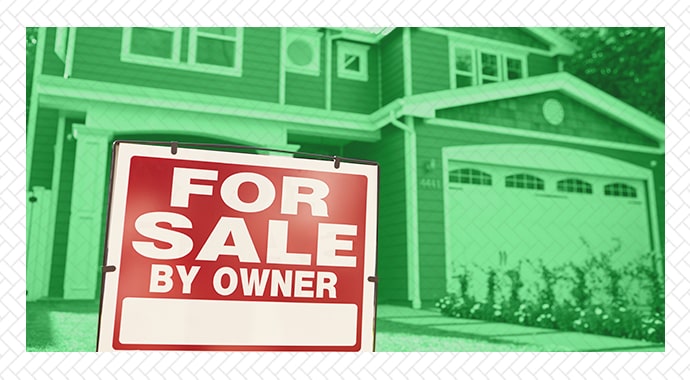
The first thing to do as an FSBO seller is to decide whom you want to target as a buyer and to then make an assessment of what you’ll need to do to prepare your house for that buyer.
The general public likes to see turnkey properties, so you may need to do some major decluttering, upgrades, and improvements for those buyers.
Investors, should you choose to sell a house to them, don’t need any prep. Simply request an offer.
The next step is to determine an asking price for your house. If you’re not sure what price to set, an online calculator can help you determine your current home value.
The next requirement is to complete the state and federal disclosures. The State of Delaware Seller’s Disclosure of Real Property Condition Report must be given to all prospective buyers prior to the time they make an offer on your home.
The most difficult job for many FSBO sellers is attracting prospective buyers.
Your approach to marketing your home depends on your target buyer, but some methods are effective with many home shoppers in almost every real estate market.
Ways to Market Your House Yourself
- FSBO yard signs let people know you’re selling your house. Include several ways to contact you on your signage.
- Video tours are a way to put prospective buyers’ eyes on your property without in-person walkthroughs. YouTube and Instagram have large audiences of potential buyers.
- Distribute print flyers when you conduct home tours. This provides a reminder of your home’s amenities after your prospective buyers have returned home from the showing.
- Advertise your property by using for sale by owner listing sites. Many are free to sellers.
Pros of Marketing Your House Yourself
- There won’t be any commission fees on your side of the closing costs in Delaware when you sell your home yourself.
- An FSBO listing puts you in control of everything related to your listing, sale, and closing.
- You can focus all your attention on your home sale only, unlike agents who work with many clients.
Cons of Marketing Your House Yourself
- Federal, state, and local real estate laws are complex, particularly when you don’t have any training or experience selling property.
- Sales move quickly, and any delays may have your buyer walk away from the deal, particularly if you need to research every step in the transaction. Make a mistake, and you may see your buyer in court.
- Some FSBO closing costs can be negotiated. You may not know which ones, or understand the negotiation process.
- Pricing real estate requires training, as well as accurate and timely information about listings and sales. FSBO sellers rarely have all of the details necessary to price right. You’ll miss out on some cash when you’ve set your price too low, or you may sit forever without any interested buyers when you’ve priced too high.
Our last sales method is one that involves a property sale and a home purchase that happen simultaneously.
Expert Insight
What are the common pitfalls when selling a house by owner?
It’s easy to focus solely on the purchase price, but experienced agents negotiate inspection repairs, appraisal issues, financing contingencies, settlement timelines, occupancy terms, and seller concessions.
The highest offer isn’t always the strongest offer if the buyer isn’t financially qualified or the contract contains unfavorable terms.
Marketing is another overlooked factor. Simply placing a sign in the yard or listing the property on a handful of websites rarely provides the exposure needed to generate maximum competition.
Today’s buyers expect professional photography, video, social media marketing, and broad online distribution.
The more qualified buyers who see a property, the greater the likelihood of receiving strong offers.
Finally, I encourage every Delaware homeowner considering a for-sale-by-owner transaction to at least consult with a local real estate broker before making a decision.
Many brokers will provide a comparative market analysis and explain the selling process without any obligation.
Even if a homeowner ultimately decides to sell independently, understanding the property’s market value, disclosure requirements, and transaction risks can prevent costly mistakes.
In my experience, sellers who make informed decisions from the outset are far more likely to have a smooth transaction and maximize their financial outcome.
— Michael Kelczewski, MAK Realty, Real Estate Broker
#4 How to Sell and Buy a House at the Same Time in Delaware
You’re waiting to sell your home, but you’ve found a new property that you want to buy.
Delaware iBuyer companies offer an option that doesn’t include waiting and hoping to sell, or making a contingency offer for your new home.
An iBuyer will sign a contract with you to purchase your house, and you can then take that cash equity to buy your new home. After you close on your new digs, your iBuyer will finalize the sale on your current property.
iBuyer sales allow you to buy with cash and avoid any sales delays. That makes your offer on a property more attractive to a seller.
Otherwise, you’d have to make a contingency offer, meaning the seller of your new home would have to wait until you’ve sold your current house. Sellers don’t like such offers.
We’ve covered four common sales techniques used in the First State, and our next segment tracks the steps in a typical transaction.
Home Sales Process in Delaware

Selling a home in Delaware consists of a few general steps, but buyers typically have the majority of the duties after a sales contract has been signed.
The sellers, however, must also meet some critical deadlines and assist buyers in their research before the sale can close.
Before Signing a Purchase Contract
The first step in the sales process is preparing your home for sale and deciding on your target buyer.
If you’re targeting the general public, you’ll need to do some upgrading and repairs to have your home match local turnkey standards.
That could involve a minimum effort, but in the case of a major fixer, that might mean a major push to paint, repair, and replace things like flooring and appliances.
You may even need to hire a professional to assist with the formal staging of your property to increase interest from potential buyers.
Homeowners targeting investors and iBuyers simply need to request an offer. You won’t need to do any upgrading, repairs, or staging.
The next steps include establishing an asking price and completing the required property disclosures.
Our article, “Why Sell a Delaware House As Is,” offers additional details about state and federal disclosures.
When selling through a Realtor, you’ll need to sign the listing agreement and complete the agency disclosures.
Marketing the Property
Your marketing efforts also depend on the method you’ve chosen to sell, and who you’ve targeted as potential buyers.
Your real estate agent will work with you to formulate a marketing plan and carry it out when you’ve listed with a brokerage.
FSBO sellers need to develop their own plan and execute it without any agent assistance.
Homeowners focused on selling to investors or iBuyers skip all marketing. None is necessary. Simply request an offer.
Accepting an Offer
Offers from buyers will come directly to you when you’re an FSBO or selling to an investor, but your agent will field offers and counter offers from prospective buyers in a brokerage listing.
All offers will be accompanied by an earnest money deposit that’s kept in a separate escrow account until you accept the offer.
That money is then transferred to the general escrow fund to be applied to the sale.
Buyer Due Diligence Period
Your buyer will be busy during the due diligence period, but there are things that you’ll need to do to facilitate their research.
They’ll order home inspections, contract for hazard and title insurance, complete loan applications, and arrange for moving.
You’ll need to open your property for the home inspections and set aside time for any lender appraisals.
Your title and escrow officers will also be busy. They’ll create the legal paperwork, trace title records, and organize the documents required to close the transaction during this time.
Federal law requires a review of the costs charged to you for the transaction.
Your escrow agent (or your real estate attorney) will sit down with you a few days prior to the official closing date to do this formal accounting.
Your document will include your agent’s commission fees and your closing costs, or just closing costs when selling without an agent.
If you’re selling to an investor or an iBuyer, you won’t see any commission costs (unless you’ve used a Realtor to represent you) or any closing fees.
Investors typically pick up the tab for the seller’s closing costs.
Your buyer will take a final walkthrough several days before closing. That tour ensures your house is in the same condition as when the offer was made.
Closing
Closing is the time when buyers and sellers sign the formal documents to finalize the sale. You and your buyer will need to hire real estate attorneys to oversee the closing process.
Delaware law requires the presence of a lawyer any time a real estate deed is terminated, or there are funds dispersed as part of a property sale.
The attorney will supervise creation of a new deed, have it notarized, and then oversee the filing with the county Recorder of Deed’s office.
You’ll turn over any keys, remotes and codes to equipment included with the property, and the sale will then be final.
You’ve now sold your home!
Expert Insight
In a traditional real estate sale, which stage is the most complex and time-consuming for sellers and how could they make it easier?
Many sellers assume the hard part is accepting an offer, but that’s often just the beginning.
During this phase, multiple parties,including the buyer, lender, home inspector, appraiser, title company, attorneys (when involved), and real estate agents must coordinate while meeting strict contractual deadlines.
Any delay or issue can affect the closing date.
The inspection process is frequently where transactions become the most challenging.
Buyers may request repairs, credits, or additional inspections, and negotiations can become emotional if expectations weren’t established early.
Financing can also introduce complications if the appraisal comes in below the contract price or the buyer’s lender requests additional documentation before issuing final approval.
One of the best ways sellers can make this stage easier is by preparing before the property even hits the market.
I encourage homeowners to address deferred maintenance where practical, gather warranties, permits, utility information, HOA documents, and any records of recent repairs in advance.
Completing the Seller’s Disclosure of Real Property Condition Report thoroughly and accurately also helps reduce surprises later in the transaction.
Sellers should also remain realistic and responsive once they’re under contract.
No transaction is perfect, especially with older Delaware homes where inspections often uncover deferred maintenance or age related issues.
Being willing to negotiate reasonably on legitimate inspection items can keep a qualified buyer engaged and prevent a deal from falling apart over issues that are relatively minor compared to the value of the transaction.
Finally, communication is critical. Delays often occur simply because paperwork isn’t returned promptly or decisions are postponed.
Sellers who respond quickly to requests from their agent, title company, or lender help keep the transaction moving toward settlement.
In my experience, proactive communication, realistic expectations, and thorough preparation before listing are the three biggest factors in reducing stress and increasing the likelihood of a successful closing.
— Michael Kelczewski, MAK Realty, Real Estate Broker
Next Step
We’ve covered the common sales methods for selling a property in Delaware and the timeline for a typical transaction.
It’s now time for you to do some research to determine how you want to sell your home.
We’re here to help you find professional investors who’ll make a cash offer with a quick closing on your property.
Request cash offers by using our website. Just fill out the simple form, and we’ll match you with local cash buyers whom we’ve vetted for their expertise and professionalism.
There aren’t any fees, and there’s never any obligation to sell.
