
4 Best Ways for Selling a Home in Wisconsin
Even though the information on this web page is provided by a qualified industry expert, it should not be considered as legal, tax, financial or investment advice. Since every individual’s situation is unique, a qualified professional should be consulted before making financial decisions.
This article covers how to sell a home in Wisconsin, highlighting the pros and cons of each of the four approaches to doing it.
We’ll then track a property sale step-by-step, starting with the prep involved before the listing.
Let’s start with the all-cash, fast-moving private sale.
#1 How to Sell a House in Wisconsin Privately

A private sale can close quickly, because your buyer brings cash to the sale.
You won’t need to wait for a buyer to apply for a mortgage, provide documentation to support that application, and then wait for mortgage approval.
You also won’t risk accepting an offer only to find out weeks later that your buyer has been denied a mortgage and can’t follow through with the sale.
Private sales eliminate the risk that your home sale price doesn’t match with the lender’s appraisal value. That would automatically throw you back into the negotiation stage of the deal.
You won’t have home inspectors finding damage after you’ve accepted an offer.
That discovery can also force your sale back to the negotiation stage when your buyer feels the new finding reduces the value of your home.
There’s one more thing unique to private home sales. That’s the privacy. You’ll skip the parade of looky-loos from the general public coming through your house for showings.
You’ll also avoid the broker previews and open houses. Your sale is totally private.
So, where do you locate buyers who have cash, can move fast, and allow you to have your home stay private during the sale? Our next segment shares that information.
What Are Home Buying Companies?
Property investors in Wisconsin run businesses buying real estate for rental income.
They buy investment properties in Wisconsin as well as homes to repair and resell at a higher price.
Many of them look for homes in any condition, including those requiring extensive repairs or renovation — this allows them to buy houses cheaper.
They also serve people who need to sell their homes fast and agree to do it at a discount. Some property owners have a special interest in an all-cash, rapid sale, including those:
- selling a house to avoid foreclosure
- selling a home with a tenant
- selling a property before bankruptcy
- selling a rundown house
- selling an estate home
- selling a house with back taxes owed
- selling a hoarder’s house
- selling to move from a large house to a smaller one
- selling a home during divorce
- selling a house for a job relocation
Selling a property in Wisconsin to an investor typically means using one of the local Wisconsin investor-friendly title companies to handle the title searches, since they have experience in cash sales.
Evaluating the pros and cons of selling your home to an investor can help you make the decision whether or not to prefer the private sale over other options.
Pros of Selling to a Home Buying Company
- Companies that buy houses for cash specialize in fast transactions.
- Sales to Wisconsin cash home buyers won’t fall apart in escrow because of the buyer who can’t qualify for a home mortgage.
- There are no home preparations involved in an investor sale. That means no decluttering or even cleaning your house.
- When you don’t use a Realtor to represent you, you aren’t on the hook to pay any commissions in an investor sale.
- Cash home buyers will pay your closing costs when selling a house.
Cons of Selling to a Home Buying Company
- A cash property buyer in Wisconsin typically won’t make a market value offer for your home.
At a first glance, it may look too low in comparison to an offer that a Realtor might bring you, saying it matches the home’s market value.
However, it’s not the offers that you need to compare but the net proceeds — the amount you are taking home after all commissions and fees are paid.
There are no commissions and fees in a sale to an investor, so the sum an investor offered you equals your net proceeds.
But the “market value” offer from a buyer brought by a Realtor doesn’t. In this case, you need to deduct the Realtor commission and the closing costs from that offer.
And when you do that, the net proceeds won’t match your home’s market value anymore, just like the ones from the investor’s sale.
When you compare the money you are taking home in both cases, you may find that selling to an investor is worth it, considering the speed and convenience they offer that a realtor doesn’t.
How to Find an Ethical Home Buying Company
Just like any profession, you’ll find some home buying companies that fail to operate honestly and professionally.
When selling a house privately, the key to locating an ethical investor is doing the legwork to carefully vet them.
Begin your search by collecting names of prospective investors. You can locate these on local billboards, advertisements mailed to the house, or by asking friends and family for recommendations.
Check the Better Business Bureau’s local office for any complaints filed against the investor or the cash buying firm.
Then, skim the feedback about the investors by using websites such as Real Estate Bees and Yelp.
This is time-consuming, but there’s an easier way.
Request a cash offer on your house by using our simple online form, and we’ll share that information with our partnering local cash home buyers.
We’ve done the prescreening for you. Our pool of investors are experienced professionals who have a long record of successful all-cash purchases that close.
There’s no fee, and you’re never under any obligation to accept any of the offers, no matter how many of them you’ll receive.
#2 How to Sell a House in Wisconsin Traditionally

In a traditional real estate sale, you will hire a real estate agent to do most of the work for you. Let’s see how it works and the pros and cons of this approach.
Who Are Real Estate Agents?
Real estate agents are professionals who are trained, state-licensed, and knowledgeable about selling properties.
Your agent will list your home, market it, wrangle offers when they arrive, counter offers on your behalf, and then supervise the escrow and closing processes.
Agents who hold the title of “Realtor” are members of the Wisconsin Realtors Association, a state branch of the National Association of Realtors.
These two groups are professional trade organizations that require members to take an oath of ethical conduct and place your interests first in the transaction.
Pros of Using a Real Estate Agent
- Licensed agents are your real estate experts. They have taken courses in specialized fields and have passed exams to receive a license. Your agent has your back in making sure your sale meets local, state, and federal regulations.
- Realtors have exclusive access to the Multiple Listing Service (MLS), a subscription service that lists homes on the market and those that have been sold. This helps you price right for a sale.
- Your agent is your legal fiduciary for the listing and sale. This frees you to go about your life without worrying about showing your property or handling sales paperwork.
There are some important considerations when working with an agent.
Cons of Using a Real Estate Agent
- Many sellers find the average Realtor costs to sell a home a major downside.
- It generally takes some time to sell a home, particularly if it isn’t in turnkey condition. During that wait time, your agent will continue to market and show your property.
- Realtors typically bring home shoppers who need mortgages to purchase a home. That means weeks of delay while the lender qualifies the buyer and appraises your property.
How to Find a Good Real Estate Agent
Referrals are an excellent way to locate a local agent.
Start your list of agent prospects by asking your friends, family, or coworkers for names and contact information of quality agents they’ve used in the past.
The Wisconsin Realtors Association has an online “Find a Realtor” lookup form where you can browse member agents to add to your list of prospects.
This feature allows you to select an agent with specialized accredited skills in home staging, home marketing, and even those with training to assist you if you are selling in a short sale or foreclosure situation.
The next step is to check the local feedback for the agents on your list.
Yelp, Real Estate Bees, and the local branch of the Better Business Bureau are a good place to begin the search for feedback.
Eliminate agents with negative feedback and add agents receiving high praise that aren’t currently on your list.
The next step takes time, but it’s critical to finding an agent who will work well with you during your transaction.
Invite the agent to meet with you at your home to present a listing pitch. They should provide the reasons for you to select them as your real estate fiduciary.
Part of this pitch should also include a marketing plan for your specific house.
Seasoned agents will bring a professional portfolio that shows past marketing approaches and a list of prior clients who’ll provide recommendations. Contact several of those listed as referrals to chat about the prospective agent.
Continue your interviews until you’ve found an agent that you can work with, and one that will best represent your house in the sale.
Sign a listing agreement with their brokerage and complete the agency disclosures.
Our next sales approach is the DIY of the real estate world. It requires the homeowner to take on all the duties of the real estate agent.
#3 How to Sell a House in Wisconsin Without Middlemen
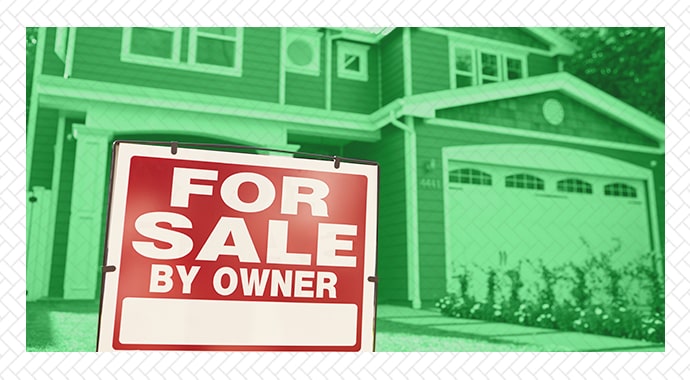
Selling a house in Wisconsin without an agent is called a “for sale by owner” listing, also known as FSBO.
The first step as an FSBO seller is to decide on your target buyer market and make an inventory of the repairs your home needs.
Home shoppers from the general public are attracted to properties that are move-in ready. That may mean painting, new flooring, and sprucing up your landscaping.
It also means you’ll need to make repairs so your home comes as close to a model home as possible.
You’ll then need to set a price for your house. If you’re not sure what price to set, an online home value lookup can help you determine your asking price.
The next step is to complete the state and federal disclosures for your property. The Wisconsin Real Estate Condition Report, for example, requires you to itemize any material damages or health risks present in your home.
These completed forms must be given to all prospective buyers before they sign a sales contract.
Many FSBO listers find that the most difficult task of selling is to locate prospective buyers. We have a few suggestions that have worked for many homeowners. They may be perfect for your home marketing.
Ways to Market Your House Yourself
- Placing an FSBO sign on your property allows people to know your home is on the market. Be sure to include several ways to contact you for a showing on all the signs.
- Video shorts featuring rooms in your house are a good way to entice potential buyers to take a look. Post these on YouTube and Instagram for high visibility.
- Make print flyers to distribute to potential buyers who walk through your property. These remind the shoppers of your home’s key amenities and features.
- Real estate for sale by owner websites offer a free way to put your listing before home buyers looking for a property in your area.
Pros of Marketing Your House Yourself
- You’ll save the agent commission when you market your home yourself. These are the largest part of the closing costs in Wisconsin.
- You control everything related to the sale, and your decisions are final.
- Since you don’t need to work with others as a real estate agent does, you can devote all of your time to selling your property only.
Cons of Marketing Your House Yourself
- Mastering Wisconsin real estate regulations and laws is difficult. You may find you lack the expertise and training to meet those requirements.
- Your lack of training might mean you need time to study an issue before making a move. During that time, your buyer may abandon the sale. You may also have a buyer sue you for making a mistake — even an unintentional one.
- You may miss out on some savings when you are unaware that some for sale by owner seller closing costs are set in stone while others can be negotiated.
- The price you set for your property may also create problems. When you price your property too low, you’ll miss out on proceeds. Price your home too high, and you won’t attract any buyers.
#4 How to Sell and Buy a House at the Same Time in Wisconsin

Our final sales method is one where your current home sale and your new property purchase take place simultaneously.
In this transaction, you use Wisconsin iBuyers who purchase your home for cash. That allows you to take your time to locate a new property.
Once you’ve closed on a new home by using the equity from the iBuyer on your current home, the iBuyer will close the transaction on your current property.
This eliminates the need for you to make an offer on your new property contingent on the sale of your current home. Sellers typically aren’t excited to accept contingency offers from buyers.
We’ve now covered four common ways to sell a property in Wisconsin. You have a variety of sales methods to choose from when selling.
Our next segment reviews the steps common to all real estate sales in the Badger State.
Home Sales Process in Wisconsin

Regardless of the way you choose to sell your home, your transaction will include some required steps.
Before Signing a Purchase Contract
Before you invite potential buyers to tour your home, you’ll need to decide on a target buying audience, determine the method you want to use to sell your house, and set an asking price.
You’ll then begin the most time-consuming step to prepare your property for your targeted buyer. The general public likes to see pristine condition, while investors buy homes in ‘as-is’ condition.
Making your house move-in ready might require new paint, flooring, and window coverings.
You’ll need to repair things, and in some markets, you may need to hire a stager to make your property resemble television and magazine home offerings.
You’ll then need to complete all the required property and also agency disclosures (when working with an agent).
Our article, “How to Sell a Home As Is in Wisconsin,” covers the various disclosures and what they require.
Marketing the Property
Your marketing approach will be determined by the buyers you target. If you focus on potential buyers from the general public, you’ll need to have an extensive marketing plan.
That plan might include signs, print and virtual advertising, open houses, and broker’s previews.
Selling to investors requires you to simply request an offer. There’s no marketing required.
Accepting an Offer
Offers will come directly to you when you’re selling as an FSBO or to an investor.
Your agent will handle all offers and make counter offers on your behalf until you reach a meeting of the minds on the price and terms with your buyer.
While you don’t need a real estate attorney to close the sale in Wisconsin, sellers and buyers may hire a lawyer to be present during the various steps in the transaction.
Buyer Due Diligence Period
Your buyer will be busy during the due diligence period, as they hire home inspectors, take out title and hazard insurance policies, and order title searches.
You’ll need to make your property available for any home inspections and answer questions related to the findings of the home inspectors.
Escrow and title officers will ready the official legal paperwork required to close the sale during this time.
A few days prior to closing, you’ll review your closing costs. Your bill will include commissions and closing fees when selling with a real estate agent.
FSBO sales skip the seller’s side of the commission, but the owner still pays closing costs.
When you sell to an investor, you’ll avoid commissions and closing fees. Investors typically pick up both sides of the final closing costs.
Your buyer has the right to a final walkthrough of the property before signing the final loan documents.
Closing
The closing step is where buyers and sellers sign the official legal documents required for the sale.
You’ll turn over your keys and home equipment, such as garage door openers and codes, to the buyer.
The new property deed will be notarized and filed with the county Register of Deeds office.
That’s the process. Your home has been officially sold!
Next Step

It’s now time to collect names of prospective real estate agents and investors to start your sales process
We can help save you time in compiling your investor list. We partner with professional cash buyers in your area that we’ve screened for their expertise and ability to close sales.
Requesting cash offers on your house is easy. Simply complete our online form, and we’ll match you with vetted local professionals.
There’s never any fees or costs to you, and there’s no obligation to sell.
