
How to Sell a Rental Property With Sitting Tenants in It During a Lease [A-to-Z Guide]
Even though the information on this web page is provided by a qualified industry expert, it should not be considered as legal, tax, financial or investment advice. Since every individual’s situation is unique, a qualified professional should be consulted before making financial decisions.
This guide offers some answers to important questions about selling a house with tenants in it.
We’ll cover the legality of a landlord selling while under lease and then do a quick review of legal questions, including a listing of renters’ rights.
We’ll wrap up the guide by introducing a quick and easy way of selling a home with tenants occupying the rental property.
Is It Legal to Sell a House With Tenants in Place?

Yes, in most cases, it is legal to sell your house while you have tenants living there, but there are a few exceptions.
You’ll need to follow federal, state, and municipal laws protecting your tenants’ rights when offering a leased investment property for sale.
Can a Landlord Break a Lease Agreement to Sell the Investment Property?
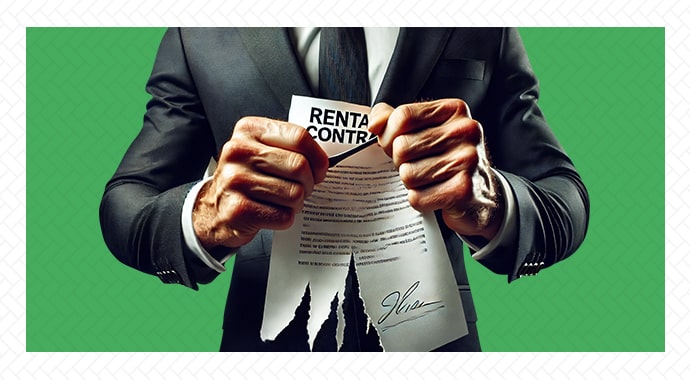
The answer to this question is, “Yes and no.”
Answering this query requires looking at the location of the property, the source of the rent payment for the leased unit, and the terms of the rental contract the tenant has signed with the landlord.
Let’s start with the location of the rental property.
It’s important to note that the federal government has laws regulating landlords, and states and localities also have regulations that offer both similar and unique tenant protections.
Federal laws might be more restrictive compared with state laws, but municipalities, in some cases, have the most restrictive regulations that protect renters.
When you sell a leased property, you must adhere to all three levels of rental regulations — federal, state, and municipal (including both county and city).
Most state and municipal rental laws require a landlord to give tenants notice that you intend to sell your investment.
These typically set a precise number of days to notify before selling and prior to transferring the lease contract to a new property owner.
This notification allows a reasonable amount of time for the tenant to locate a new residence.
Simply breaking an existing lease or rental agreement to sell generally isn’t legal in most states.
The next consideration is the source of the tenants’ rent payment. Some renters have more rights than others due to the source of their rent payments.
When the renter is receiving a rent subsidy from a governmental source, such as aid from the local housing authority or federal Section 8 rent assistance, that source might give the lessee special rent protections not required to be given to other renters.
We’ll cover those groups of renters in a later section where we itemize those special restrictions.
Protections can also depend on the lease agreement you’ve made with the renter.
When your lease contract with a renter states you can evict them when you wish to sell, and they’ve agreed to those terms, then you may be able to evict them without any legal penalties.
The conditions in any detailed lease must also be observed. These requirements might include:
- Notification before listing the investment property for sale.
- Notification of the closing calendar date for the real estate transaction, so the renter has time to move prior to the close.
- Monetary repayment of the tenants’ moving costs to a new residence.
- A prescribed amount of cash is paid to the renter to cover their relocation costs after the sale has closed.
- Establishing the landlord’s duty to find and relocate the tenant to new housing after the sale.
- Payment of a one-time, flat fee to the renter for vacating the unit when asked by the current or new landlord.
You may face penalties when you break a lease in a way that violates the laws passed by any or all of the three government levels.
In many cases, the law gives monetary damages when a landlord knowingly violates tenants’ rights. Some regulations may also penalize lessors for unintentionally failing to respect tenants’ legal rights.
It’s important to be informed about the specific local laws before you attempt to break a lease with a tenant for selling your investment property.
Can a Landlord Sell a Rental Property Without Notifying the Tenants?
The answer to this question is a qualified, “Yes.”
Some municipalities in a number of states have local requirements that demand notification when the property is listed for sale, but most do not require special notice of a listing.
When the tenants have a lease agreement that requires the landlord to notify them that the property is listed for sale, then the homeowner must give the renters notice.
Most state laws require landlords to notify renters once the sale transaction has closed. Tenants must receive a formal notification detailing how their lease contract was treated as a part of the sale.
If their lease was transferred to the new owner, the tenant must be notified. If the lease was terminated, notification must be made a set number of days before the tenant is required to move.
The renter should then be given an updated lease with the same term as the original contract.
Can I Evict a Tenant to Sell the Property?
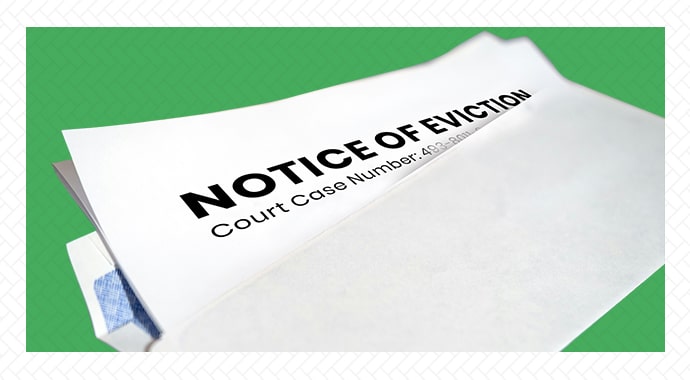
You might be able to sell your tenant-occupied home and evict them before you list your investment property, but there are a few things to consider before you take that action.
You can sell a house with tenants in it before the lease is up. There’s no need to evict a tenant when you list the property, or even after the property is sold.
The new buyer might want a tenant-occupied property due to the cost of marketing it for lease and the time required to vet new tenants.
If you have a troublesome tenant who you feel would detract from the saleability of your property, you might be motivated to evict them before listing.
You also might foresee a problem after selling the house when the existing tenant won’t leave. This might be a reason to evict a tenant, but you need legal cause to do this under most state and local laws.
Legal cause includes actions that violate the existing lease agreement or federal, state, or municipal laws.
If a legal eviction isn’t possible, there are ways to sell a house with the troublesome tenant in place.
When a renter won’t allow prospective buyers access to the unit or house for a showing, you can accept offers on the property with a condition clause that allows for showing at a later time after the tenant has been evicted.
A landlord can always offer to buy out the bad tenant’s lease, or pay their moving costs to motivate them to find other accommodations. Some owners will even simply pay cash for the tenant to leave.
The bottom line is you may have the right to evict a tenant who violates the lease terms when you sell, but it might be easier to simply sell the property with the tenant in place.
The new buyer may want the investment income from that renter, and be happy to deal with any problems.
When you simply transfer the property with the current tenants in place, the new owner is also on the hook to deal with any problem renters.
Real estate investors (also called cash property buyers) who buy rental properties for cash are fine with purchasing units with tenants in place, and some of them even accept problem renters.
We will cover this in more detail in one of the following sections of this guide.
The Landlord Is Selling the House: What Are the Tenant's Rights?

You can sell your house with renters in it, as long as you protect your tenants’ rights during the marketing and selling process.
Federal protections include the right for the renter to sue in court over an eviction notice.
When you sell your house with a Section 8 tenant, there are specific laws protecting that lessee.
Landlords must notify the Section 8 renter that the property is listed for sale and that the new owner will honor the current lease as written.
When the new landlord isn’t interested in having Section 8 renters, they cannot simply evict those tenants. That violates federal law.
The owner must meet with the local housing authority to discuss options for relocating the renter.
Those arrangements might include assisting in locating a new residence and then paying moving fees for the Section 8 lessee.
Landlords also generally have several state and local restrictions when marketing a leased property.
These might be state or county laws, but some cities also have specific rules that regulate landlords of rental income property, such as controls that set rental pricing.
Many of these rules regulate home showings and the treatment of the renters’ lease contract.
Landlords must give tenants a reasonable amount of time before showing potential buyers through the property. It’s typically at least a 24-hour notification.
Some rules prohibit showing the rental property when the leaseholder isn’t there.
Many of the showing regulations also give a specific window of time during daylight hours for property showings.
State and municipal laws also regulate the disposition of leases after the property sale.
Many local laws require the landlord to transfer the contract to the new owner using the same terms, but a minority of states allow landlords to cancel a lease when the property is sold, as long as the tenant is given proper notice specified in the regulations.
How to Sell a House With a Sitting Tenant Fast

When you want to sell a rented property fast, the easiest way to do that is to sell to a professional real estate investor who has the cash and experience to close the sale.
Most states and municipalities have legal restrictions that require the new owner to honor the current renter’s lease as part of the sale.
This restriction limits your buyer pool. Most property shoppers are looking to buy to occupy a rented house for their own use, or they’re purchasing for a family member’s residence.
You may also have some troublesome renters who give prospective buyers pause when the bad tenant won’t allow them access to walk through the rental unit. This will delay selling to typical buyers.
Cash investors have experienced these problems before, and they’re not deterred from making an offer on a house or multifamily complex without touring some or all of the property.
Investors also aren’t buying for their personal use, and they’re more than willing to purchase a property with the current tenants in place.
How to sell a house with a bad tenant? Sell to a professional property investor who has experience dealing with this type of renter.
On our website, you can locate professional local investors with years of experience and a résumé that contains a long list of happy sellers.
Our online platform presents an easy way to request an all-cash offer on your rental property with tenants.
We’ll relay your request to our partnering investors, who will contact you to visit your rental property and make an offer.
You’ll be able to invite multiple investors to make offers and then select the one that best fits your needs.
A landlord can sell a house during a lease and have several benefits when working with a professional cash investor:
- An all-cash sale: Our partner investors are cash buyers. Cash eliminates the need to involve mortgage lenders and the time required for a buyer to qualify for a loan. You’ll also skip home inspections and property appraisals when you sell to a professional cash investor.
- Sell the rental property with tenants in place: Investors will make an offer on a property even when bad tenants rent the unit and refuse to cooperate to allow access for showings. They’re also not concerned when a tenant is routinely late in making monthly rent payments.
- A fast sale: You can sell a rented property fast when you sell to a cash buyer. You won’t have unreasonable offers and then the parade of counter offers, and you won’t face more negotiations over who should pay for property repairs.
- No closing costs: The investor will pay their closing costs and also pay your fees.
- No brokerage fees: There are no real estate commissions with an investor sale. The cash buyer will take care of opening and supervising the escrow without any charge to you. With commissions running 2.5%-6% of the closing cost, that’s significant savings.
- An as-is sale: If you are selling a house in bad condition, investors won’t ask you to clean out the rental units. You can sell as-is and let the new owner handle any necessary work.
Get cash offers quickly and have a rapid escrow close with the real estate investors we partner with. There’s no obligation to accept any of the offers, and requesting them is free.
