
Selling a Home As Is in Virginia (A-to-Z Guide)
Even though the information on this web page is provided by a qualified industry expert, it should not be considered as legal, tax, financial or investment advice. Since every individual’s situation is unique, a qualified professional should be consulted before making financial decisions.
This A-to-Z guide offers tips on how to sell a Virginia house in ‘as is’ condition.
We’ll explore the ways you can sell your property and the advantages and disadvantages to each option.
Before we describe what happens when you sell your house ‘as is’ in Virginia, we need to define a basic term. What exactly does selling in ‘as is’ condition mean?
Read on to find out!
What Does It Mean to Sell a House As Is in Virginia?

In an ‘as is’ sale, real estate is sold as the buyer finds it at the time of the offer. The seller doesn’t intend to do any repairs or modifications to the property.
Virginia’s standard sales contract incorporates an ‘as is’ condition clause that requires the buyer to assume responsibility for inspecting the house and researching the property to discover any problems before the sale is closed.
Can You Sell a House As Is in Virginia?

Yes, absolutely, you can sell a home ‘as is’ in Virginia.
Sellers can offer a house as a fixer. But buyers can make an offer that includes an additional home inspection addendum asking the seller to make repairs.
The seller is under no legal obligation to sign such an agreement. However, if it’s signed, the repairs must be done.
How does selling a house ‘as is’ work in Virginia? Let’s find out.
What Do Virginia Real Estate Disclosure Laws Require?
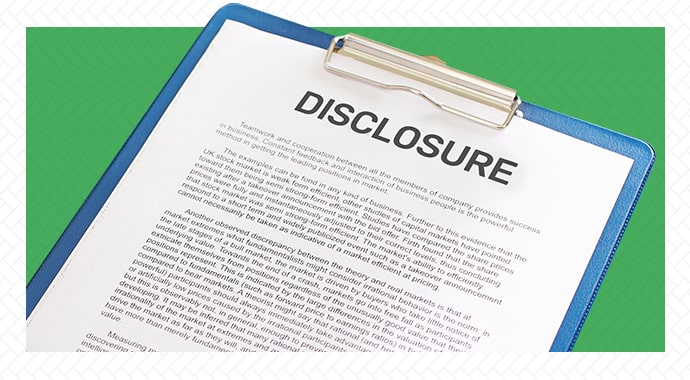
The Virginia Residential Property Disclosure Act includes a series of disclosures that cover specific conditions for your house and other real property that’s sold as part of the listing.
The first disclosure informs potential buyers that the sellers of the real property offer no warranties, and they make no representation about the property or any improvements.
Buyers are encouraged to do their own due diligence to discover defects or problems with the property before making a purchase offer.
The state recommends buyers do this by hiring a home inspector, and having mold and home energy assessments done before signing the sales contract.
These surveys and inspections should be done by certified personnel who follow state codes and regulations endorsed by the Environmental Protection Agency.
Owners selling a home with asbestos or recordable levels of radon gas, and homeowners selling a house with lead pipes are under no obligation to disclose these conditions to potential buyers.
Sellers must allow prospective buyers to hire a professional to do an indoor mold assessment, at the buyer’s expense.
Selling a house with septic system failure requires homeowners to disclose septic permits by using a separate form.
While foundation issues must also be disclosed on the required form, owners selling a house with polybutylene pipes have no obligation to disclose the use of this plumbing product.
Owners selling a house with fire damage, or water damage, or homeowners selling a house with termite damage, having bed bugs, or a haunted house aren’t under any specific requirement to disclose these issues.
Owners selling a house in a flood zone also don’t need to complete any special disclosures. Buyers are on their own to research federally designated flood, radon, or dam inundation zones.
State law does require homeowners to make a separate disclosure when the property has had two or more flood damage claims filed over the prior ten-year period.
Selling a house with lead paint, a condition typically found in houses constructed before 1978, requires the sellers to complete a federal lead paint disclosure.
Homeowners selling a house with unpermitted work aren’t specifically required to disclose that fact. Houses with pending building code or zoning ordinance violations, however, must complete a separate disclosure.
You can leave stuff behind when you sell your Virginia house ‘as is’ as long as you enumerate the items on the purchase contract — and you and the buyer agree to the contract terms controlling those items.
Should I Sell My House As Is in Virginia?
The first question you’ll need to consider when selling your home is, “Should you sell your Virginia house ‘as is’ or fix it up?” Fixing requires time and money, even when you’re doing the work yourself.
Considering the advantages and disadvantages of selling as a fixer might help you make this important decision.
So, why sell a Virginia house ‘as is’? Here is why.
Pros of Selling Your House As Is
- It takes time to locate contractors who have the skills you need to do the repairs. You also need to ensure they have recommendations from other satisfied clients. This takes time to do. You’ll avoid this chore when selling ‘as is’.
- You don’t have to pay for repairs. If you don’t have cash to invest in them and you can’t get a loan, selling ‘as is’ may be your only option.
- ‘As is’ sales typically move quickly. Selling to a Virginia cash house buyer moves even faster. You’ll avoid the time waiting for loan applications, house appraisals, and loan underwriting approval.
- Once a Virginia home inspector makes a report, you must deal with buyer requests to repair the defects listed on the report. ‘As is’ buyers typically don’t nitpick these details. They understand that a seller of an ‘as is’ property doesn’t want to do any repairs.
- Many ‘as is’ buyers will agree to allow you to leave some items behind. You won’t need to remove everything when you move, and that can save considerable time.
Now, why do the repairs before selling?
Cons of Selling Your House As Is
- You won’t receive a turnkey price for your house. ‘As is’ buyers will deduct the price of repairs from the market value of the home. Knowing the estimated closing costs for sellers can help you evaluate your offers.
- Your buyer pool is limited when you sell as a fixer. Most traditional buyers don’t want to repair any damage in a newly purchased home. Fortunately, there is a type of buyer who doesn’t mind doing repairs. We’ll talk about that buyer in the next segment of this guide.
How to Sell a House As Is By Owner Without an Agent in Virginia
“How do I go about selling my house ‘as is’ in Virginia?” There are a few ways. Let’s begin with selling your home to a cash real estate buyer in Virginia.
How to Sell a House As Is, Fast and For Cash Directly to an Investor
If you don’t want to deal with real estate agents and sell your house fast, your best option is using a professional cash house buyer. Let’s go over who they are and how to find them.
Who Are Cash House Buyers?
Cash house buyers are investors. They can be individuals, local businesses, or even groups of investors operating as a hedge fund.
Cash investors are in a position to move quickly to buy and close because they don’t require traditional mortgage loans. They have cash or have already arranged loans from private lenders.
Professional investors buy investment properties in Virginia as is. They’ll then do all the repairs and relist the home for sale to buyers who want a turnkey property.
Some real estate investors in Virginia also focus on buying rental properties. These are properties that are already used as rentals or can be converted into one.
If you sell your house to an investor, the cash buyer is happy to take over all the details for the sale, including opening escrow and shepherding your house through that process.
Cash home investors seek out properties when the owners are:
- heirs selling an estate home
- selling a house in disrepair
- selling marital property during divorce
- seniors looking to move to a smaller home
- selling a house for job relocation
- selling a house when facing foreclosure
- selling a house with an IRS tax lien
- selling a house before or during bankruptcy
Cash buyers generally work with Virginia investor-friendly title companies to smoothen the sales process and to provide for a quick closing.
Pros of Selling Your House As Is Directly to an Investor
- A cash house buying company closes quickly on sales.
- No traditional lenders are involved, so there aren’t any property appraisals or loan underwriting in a cash sale. That saves time and energy. Investors also typically skip professional home inspections.
- Unless you want to use a real estate agent, you’ll avoid realtor fees by selling to an investor. That’s a significant savings, and there’s really no need to hire a realtor when working with a professional investor.
- Cash home buyers typically pay their closing costs and also cover your fees. That’s additional cash savings for you!
Cons of Selling Your House As Is Directly to an Investor
- You probably won’t receive a market price for your property with an investor sale. If you carefully consider the fees paid by the investor, however, you may come close to that market price.
- Working without an agent means you’ll have to do your own fiduciary duties to protect your interests. However, when you work with a professional investor, with at least three years of experience and a long list of satisfied clients, this shouldn’t be a problem. Disreputable investors don’t stay in business long when they fail to operate honestly.
Finding the Best Cash House Buying Company
It’s easy to locate cash house buying companies by using a general internet search. Simply use a few basic search terms like these:
- we buy houses Richmond VA
- sell my house fast Richmond VA
- cash house buyers Richmond VA
- sell my house for cash Richmond VA
- iBuyer companies Richmond VA
This search will bring up a number of local investors and cash buying companies. The next step is critical, and it requires you to research each prospect you’ve found.
There are a number of ways to do this.
How to Choose an Ethical Investor?
Start your research by using the investor’s website. Use the “About Us” page to find the names of the company principals.
The information on this page should also include the training, experience, and background for the investor. If this isn’t present, scratch this company or person from your list of prospects.
Next, check the local branch of the Better Business Bureau (BBB) website. Look for any complaints filed against your prospective investors.
Then, scan consumer testimonial websites to see if many unhappy clients have filed complaints there. Scratch prospects with a long list of complaints from your list.
If this sounds like a lot of work, it is, but you have another option: request cash offers online by using HouseCashin.
HouseCashin does the research to vet and prescreen its partnering companies. Your request for investors is quick and easy to do by using this link: request a cash offer on your property.
Once you receive offers, you can finalize your research on these seasoned, prescreened professionals.
How to Sell a House As Is by Listing It by Owner
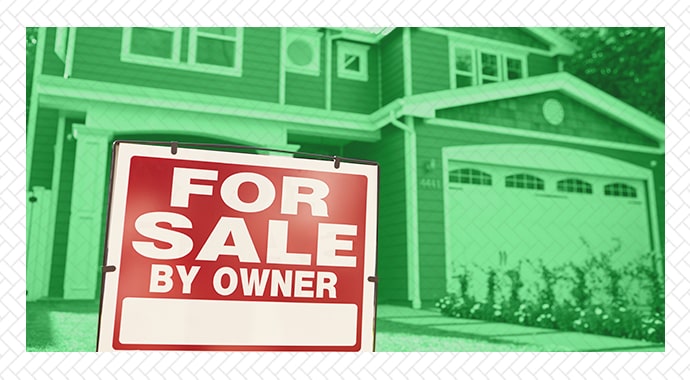
A listing of a homeowner selling without an agent is known as “FSBO” (for sale by owner). When selling your home by yourself, looking up your home value by address can be helpful.
This allows you to pinpoint a ballpark estimate based on location-specific data. But for a more accurate valuation, you can hire a real estate appraiser.
Or, you can pay a realtor just to have them do a comparative market analysis for you, without providing you a full agent service and without getting a commission as a percentage of your property price.
Once you’ve nailed down the value, your next step is marketing your property.
Where Can You List a House For Sale by Owner?
There are a number of FSBO websites to market your property.
Some are free, while others require a minimal payment to post your advertisement.
Another way to market your property is to place a “for sale” sign on the lawn or in a window. This may attract prospective buyers, if your property is located in a well-trafficked area.
If you have the skill to create a video presentation, that’s another avenue to promote your listing.
There are also professional media companies that can be hired to create a tour of your property to post online.
There are a number of advantages to selling as an FSBO.
Pros of Selling Your House by Listing It by Owner
- Real estate agents in Virginia earn an average 5% commission on the sale price. This varies with the region and can be negotiated, but you’ll avoid paying a significant amount when you don’t use an agent to represent you in the sale.
- You are in charge of everything related to your sale. You can determine the price, showing schedule, and all the details involved in closing the sale.
- You can devote all of your time to marketing your property. Agents typically work with a number of people and must divide their time and effort. You have only one focus, and that’s selling your property.
There are also a number of disadvantages to acting as your own real estate agent.
Cons of Selling Your House by Listing It by Owner
- If you aren’t selling your house in Virginia to a professional cash buyer, odds are that they will need to take out a mortgage to purchase your property. This means waiting for the buyer to have lender approval, and then waiting more weeks for your property to be inspected and appraised. During this time you will continue to pay your regular fees for utilities, hazard insurance, and any mortgage payments.
- You will be your fiduciary without any professional real estate assistance.
- Unless you’ve mastered real estate law, marketing, and the details of contract law, you may make mistakes. Small errors could delay your sale. Major mistakes could mean your buyer takes you to court. You’ll also need to have mastery of the closing costs when selling a home by owner.
How to Sell a House As Is in Virginia with an Agent

Who Are Real Estate Agents?
Real estate agents are professionals who work as the representative of buyers and sellers in real property transactions.
An agent can assist you in listing your property for sale, marketing it to the public, negotiating a sales contract, and then guiding the deal through the formal escrow and title process.
Before receiving a state real estate license, agents must take coursework and pass exams on topics related to listing properties, formal contracts, marketing, and real estate law.
Agents work under the supervision of brokers who are also trained and licensed to oversee sales and leasing agents.
Virginia agents earn a commission between 5-6% of the sales price, although this figure depends on where your house is located. Agents in some geographic areas earn more than others.
That commission is paid to the two brokers and is then divided among the listing and selling agents.
There are a number of advantages in using an agent in your home sale.
Pros of Selling Your House As Is with a Real Estate Agent
- Real estate agents have access to a database of prior home sales in your area. These comparable sales, called “comps”, help you set a fair but competitive price for your property.
- Your real estate agent is your fiduciary in the sales transaction. That means they”ll use their training, expertise, and experience to make sure your interests are placed above all others in the transaction.
Cons of Selling Your House As Is with a Real Estate Agent
- The average Realtor cost to sell a home is the largest portion of the closing costs in Virginia. This is a major disadvantage for the homeowner who must pay commissions and also cover other closing costs on the sale.
- A fixer can be a difficult property to market, and your real estate agent may put your home on the backburner to service other listings of turnkey properties. If you select an experienced agent to represent you, they’ll have other clients who also make demands on their time. This takes time away from marketing your property.
- Real estate agents market to the general public, and those buyers typically need to obtain a mortgage to purchase a house. This takes weeks for the buyer to qualify, the property to go through an appraisal to qualify, and more time for the lender’s underwriter to give the final approval. Your house will sit as a sold listing during this wait time.
How to Choose an Ethical Real Estate Agent?
When you elect to list your house with a professional agent, it’s critical to select an agent that’s a good match with both you and your house.
Interview prospective agents to find one who knows your neighborhood and has a track record of selling homes quickly for top dollar.
The first step to locating a qualified agent is to use the License Lookup on the Virginia Department of Professional and Occupational Regulation website to make sure your list of prospective agents hold a valid license.
This lookup also provides information about any license reprimands or past suspensions. Avoid agents with a history of being cited for failing to follow the law, and those who have had licenses suspended for unethical behavior.
Agents using the title “Realtor” are members of the Virginia Realtors, the state branch of the National Association of Realtors (NAR).
Realtors make a pledge to follow the Virginia Realtor Code of Ethics, and the local boards enforce these codes. They also handle complaints filed against agents.
Contact the local board of the Virginia Realtors to discover any complaints filed against the prospective agents on your list. Eliminate agents from your list who have been cited for unethical practices.
