
4 Best Ways for Selling a Home in Vermont
Even though the information on this web page is provided by a qualified industry expert, it should not be considered as legal, tax, financial or investment advice. Since every individual’s situation is unique, a qualified professional should be consulted before making financial decisions.
Homeowners wanting to sell a property in Vermont have a few options. We’ll explore those sales methods to help you decide which approach is best for you.
We’ll wrap up with a quick tour of the steps involved in all sales transactions.
Selling privately is our first stop on the list of ways to sell your home in the Green Mountain State.
#1 How to Sell a House in Vermont Privately

The private sale is a way to sell your house without having to market it and wait for one of your potential buyers to like your property enough to purchase it.
Private sales also use cash. That means you’ll avoid the delay and common risks when selling to a buyer from the general public. You won’t need to wait for your buyer to apply and qualify for a mortgage.
If your buyer fails to qualify for the mortgage, or your home appraisal doesn’t match with the sales price, you may need to renegotiate the sale — or worse, locate a new buyer who can meet a lender’s qualifications.
Private sales are also discreet. You won’t need to open your home to the general public for strangers to walk through your house in the quest to find a buyer.
You won’t need open houses, broker previews, and the endless stream of looky-loos who sometimes show up at your door without setting a showing appointment.
These are the annoying things that a private sale allows you to avoid.
So, where do you locate private buyers who can offer this alternative to a traditional sale? Our next segment answers that question.
What Are Home Buying Companies?
Cash home buyers are real estate professionals who work as solo entrepreneurs or companies to buy investment properties in Vermont.
To make their house buying service more attractive to sellers than a traditional sale, they use cash instead of mortgages and move quickly to close.
Some investors focus on buying rental homes. Others buy fixers that they remodel and then sell to others.
If you live in a single-family, condo, farm house, duplex, manufactured, or mobile home, there’s an investor looking for a property just like yours.
Real estate investors in Vermont buy homes in any condition. They’ll buy turnkey, move-in ready houses, but they often prefer as-is properties that need repairs and even serious fixes.
When selling a property privately, you won’t need to do any repairs or replace anything.
Professional house buyers frequently use investment-friendly title companies in Vermont because they have experience with cash sales.
An investor sale may have special benefits for homeowners who are:
- selling a home to avoid foreclosure
- selling a property with tenants
- selling a house during bankruptcy
- selling a home that needs work
- selling a house that was inherited
- selling a house with a state tax lien
- selling a hoarder house
- downsizing from a large to a smaller home
- selling a marital property before divorce
- selling a house for a job relocation
There are downsides and benefits of selling your home to a real estate investor. Let’s explore those now.
Pros of Selling to a Home Buying Company
- You’ll sell your home fast. Cash moves sales to close much faster than traditional home mortgages. Bank loans mean delay.
- Vermont companies that buy houses for cash are solid sales. You won’t have to worry that your transaction will be canceled because your buyer fails to qualify for a loan, or that your appraisal didn’t match your sale price.
- You can skip the home preparation when selling to an investor. They aren’t influenced by staging or new paint.
- There aren’t any real estate commissions for you to pay.
- Investors will pay your closing costs to sell a house.
Cons of Selling to a Home Buying Company
- Vermont real estate cash buyers are generally not going to offer prices that equal local market value.
There are a couple of reasons for this. The first is that home buying companies are businesses. They must make some profit or they’d have to close.
The second reason is something you may not have considered. Home buying companies don’t charge a commission to buy your home. They also pay the seller’s closing costs. So, their offer is what you take home after closing.
In a traditional sale using a Realtor, the price on your sales contract is not the amount you’ll receive at the end of the sale. Commissions will be deducted from that figure. Closing costs as well.
When you look at the sale price through that lens, the investors’ cash offer may be much more attractive. It’s money actually in your pocket.
How to Find an Ethical Home Buying Company
Let’s be honest. Like every other profession, there are some less-than-ethical operators in the cash buying field. The key to avoiding these undesirables is to research and vet your potential investors.
We have some tips to help you find an ethical and professional cash home buyer.
The first step is to collect the names of investors and home buying companies to screen. Some cash buyers send postcards or mailers to homeowners, or advertise in local print publications or online.
You can also collect names from billboards and by asking friends and neighbors for any recommendations they may have.
Once you’ve developed a list, it’s time to do the vetting. Begin by searching the internet for the investors’ websites. These should provide details about the investor and their qualifications.
If the sites don’t list the investor, scratch them off from your list. Legitimate investors are transparent about who they are and their professional experience.
Use the internet to check for negative feedback about the cash buyers on your list. Websites such as Yelp, Real Estate Bees, and the local branch of the Better Business Bureau post consumer comments and reviews.
This is a time-consuming process, but your home is valuable and well worth your time to protect it.
We have a way to streamline your vetting process, and that’s to use our website to request an offer.
We’ve screened local investors and have a few partnering experienced cash buyers in your area.
Get a cash offer on your house by filling out a short form that allows us to match your needs with our team of professional cash home buyers.
There’s no obligation to sell or any fees for receiving and accepting offers. You have nothing to lose by requesting an offer — only save time and energy!
#2 How to Sell a House in Vermont Traditionally

An effective Realtor is the key to selling a property in Vermont in a smooth sale that closes without major problems. Our next segment offers some tips to find a qualified real estate agent.
Who Are Real Estate Agents?
Real estate agents are licensed professionals who work on your behalf under the supervision of a licensed broker. They are your legal fiduciary and must put your interests first.
Your agent will list, market, negotiate for you, show your home, and hold open houses and broker previews.
They’ll take actions that you and your agent agree will best meet your personal needs.
Agents using the title “Realtor” are members of the Vermont Association of Realtors, a branch of the professional trade organization, National Association of Realtors.
Realtors take an oath to put your interests first.
Pros of Using a Real Estate Agent
- Licensed agents are trained professionals who have experience handling all aspects of your home sale.
- Realtors have access to proprietary information about your neighborhood listings and sales. This can assist you in setting a sales price for your home.
- Your agent is your legal fiduciary who can take charge of the sale on your behalf. That allows you to go about work and life without also stressing that you need to handle the home sale.
Cons of Using a Real Estate Agent
- The average Realtor cost to sell a home is the biggest drawback for most home sellers.
- It may take some time for your agent to locate a buyer. During that wait, you’ll have your house open to the general public for showings. You may also have open houses and broker previews.
- Agents typically bring buyers who need mortgages. This usually adds weeks to your closing calendar.
How to Find a Good Real Estate Agent
The first thing you’ll need to do is collect names of professional agent prospects. Ask your family, friends, and neighbors for their recommendations. New neighbors are a great resource for this.
Once you’ve developed your list, you’ll need to vet the agents to select a professional that best matches your specific needs.
A quick way to deselect agent prospects on your list is to survey what former clients say about them on consumer websites.
Yelp, Real Estate Bees, and the Vermont branch of the Better Business Bureau are excellent resources for your feedback research.
The best way to vet the remaining agents is to interview them. Ask the agent to do a formal listing presentation at your house.
Request they bring a marketing plan designed specifically for your home as part of that presentation.
Agents should have a professional portfolio that shows their approaches to advertising.
The portfolio should also include a list of recommendations and biographical information about their real estate training and experience.
Follow up on the recommendations by contacting a few on their list and talk with them about the agent’s expertise.
Once you’ve found a Realtor who matches with your expectations for your sales experience, sign a listing agreement with the agent’s brokerage.
The next sales method has the homeowner taking over all the duties that an agent normally does.
#3 How to Sell a House in Vermont Without Middlemen
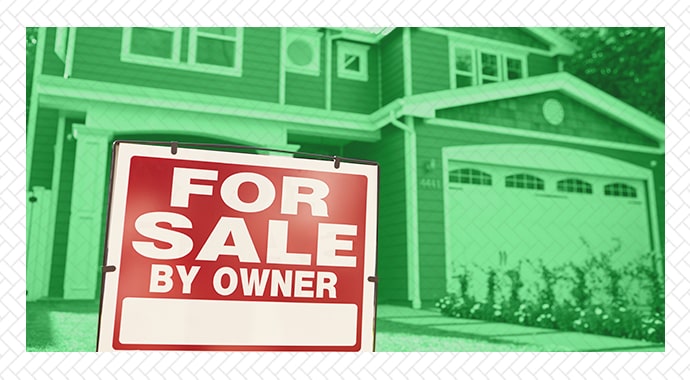
Selling your home yourself, known as a “for sale by owner” listing (or FSBO), has the seller take on all the duties normally done by a real estate agent.
You’ll handle the listing, marketing, negotiations, guiding the home through the due diligence period, and the final closing.
You’ll also need to hire an attorney to assist you in the closing that’s required under state law.
The first step in an FSBO sale is to get your home ready for home shoppers. If you’re selling to the general public, this can be a major task.
Most home shoppers, as opposed to investors, look for turnkey houses. They want as close to new as possible and typically do not want to see properties that need repairs.
You may need to paint, replace flooring and landscaping, and make a number of repairs to your home. If your house is a major fixer, this will take a lot of energy, and a major cash infusion to pay for the repairs.
Cash investment buyers, however, aren’t concerned with cosmetics. Some cash home buyers, in fact, actively look for homes that need repairs and restoration — even houses that require major work.
Vermont laws require a myriad of disclosures for your property, and all are mandated under law.
You’ll need to complete a flood disclosure form, lead paint statement, in addition to the Seller’s Property Information Report.
These must be presented to potential buyers prior to accepting an offer on your property.
You also need to determine a sales price for your home. If you’re unsure of the current market value, an online calculator can assist you in determining your home value by address.
Once you have your home ready for buyers from the general public, you’ll need to locate home shoppers and lure them to your property. We have some tested ideas about how to do that.
Ways to Market Your House Yourself
- Signs are a way to alert potential buyers that your home is for sale. Check with your local municipality and any homeowners’ associations to ensure you’re meeting local codes with your signage. Also, be sure to include ways to contact you for a home showing on your signage.
- Short video tours of your home are another way to put buyers’ eyes on your house. Post these on free websites such as YouTube or Instagram. If you have attractive local features, such as a community pool or a local beach, include images of these on your tour.
- Develop and print flyers listing the amenities and features of your home. Distribute these to home shoppers when they tour your property.
- Use the free resources available to you on the internet to advertise your house. Websites to post homes for sale by owner are a good place to begin your ad campaign.
Still unsure about the DIY approach to selling your house? Let’s explore some pros and cons to see if this sales method is for you.
Pros of Marketing Your House Yourself
- The largest part of the closing costs in Vermont is Realtor commissions. You’ll avoid paying a commission on your side of the sale when you sell your home as an FSBO.
- You are in charge of everything related to the sale, from the listing price through the date of the closing.
- You can spend your entire time marketing your property, unlike agents who must work with a number of clients during the week.
Cons of Marketing Your House Yourself
- You are your home’s legal representative, and you must follow local, state, and federal real estate laws and regulations to make sure you don’t miss any requirements.
- You may make a mistake that a trained real estate professional wouldn’t, and that may have you end up in court when your buyer is dissatisfied.
- Certain closing costs when selling a home by owner in Vermont are open to negotiation. If you aren’t aware of which ones and how to negotiate, you’ll miss out on some potential savings.
- You might also miss out on some major savings when you aren’t familiar with setting a price for your home. Price it too low, and you lose cash. Set a price too high, and you won’t have any buyers.
#4 How to Sell and Buy a House at the Same Time in Vermont
Our next sales approach has the homeowner buying and selling a house in Vermont in one transaction.
You’ve found the perfect home, and it’s currently on the market. The problem is your house isn’t yet listed, let alone sold.
What can you do? You can make a contingent offer — a sale based on the condition that your house sells. Sellers typically don’t like contingency sales. They risk everything, while you have little to lose.
Vermont iBuyers to the rescue! iBuyers will issue you cash backed up by your home’s equity. This way, you will be able to immediately buy your perfect home. Once your sale has closed, the iBuyer will then close on your property.
Quick, easy, and you’ve snagged your dream home without the delay of your home sale!
Home Sales Process in Vermont

We’ve now covered the most common ways of selling a home in Vermont. Our next segment takes you through the typical sales transactions.
Before Signing a Purchase Contract
Before you open your home to prospective buyers, there’s a host of things you’ll need to do to prepare.
If you’re targeting the general public as buyers, you’ll need to do some repairs, and maybe some major remodeling. Some home markets might require professional home staging to attract buyers.
If you’re planning a sale to an investor, simply make contact for an offer. No prep required.
You’ll need to complete the state-mandated home disclosures. Our article, “How to Sell Your Home As Is in Vermont,“ has more information about the specific forms and requirements.
If you plan to use an agent, you’ll need to vet their local real estate brokerage and sign a listing agreement. FSBO listers will need to study real estate regulations and procedures.
Marketing the Property
The next step is marketing your home. The general public requires advertising, open houses, and promotion. Your agent will take charge of that process.
If you’re an FSBO seller, you’ll need to locate the appropriate marketing tools for your property, and then develop an advertising campaign for your house.
A sale to investors doesn’t need any marketing. Simply request an offer.
Accepting an Offer
Offers will come directly to you as an FSBO or investor sale. Your agent will field offers for you when listing with a brokerage.
You may need to counter your offers to come to an agreement to sell your house. There may even be counters to your counter!
All offers will be accompanied by earnest money. That money goes into an escrow account that will be transferred to apply to the sale when you accept an offer.
You’ll need to hire a real estate attorney to represent you during the closing of your sale. This is required under Vermont law.
Buyer Due Diligence Period
The due diligence period is the time for your buyer to hire home inspectors, contract for title searches, and take out insurance policies for title and hazards.
At least three days prior to the closing, your attorney will review your closing documents. These include an inventory of your fees and charges for the sale.
If you’ve used a real estate agent for the transaction, you’ll see commission charges and also closing fees listed on this inventory.
If you’ve sold as an FSBO, you’ll save your side of the commission charges, but you’re still on the hook to pay the closing costs.
When selling to an investor, you won’t see any commissions (provided you didn’t use a Realtor) or closing costs. Investors typically also pay your final closing fees and charges.
Your buyer will take a final walkthrough of the property to make sure it’s in the same condition as when the offer was made.
Closing
The closing procedure has your attorney supervise your signatures on all the legal documents necessary to transfer the sale of the property.
Your escrow officer will handle the movement of funds for the sale. Your title officer will then transfer legal ownership of the property to your buyer.
That new title will then be notarized and filed with your town or city clerk’s office. It’s recommended that you follow up a few weeks after the sale has closed to ensure the deed was properly filed.
That’s it. Congratulations, you have sold your home!
We’ve now covered how to sell a home in Vermont, and the steps in a typical sales transaction.
Next Step
What’s next with your home sale? That’s up to you. It’s time to decide on the best way to sell your house and then begin collecting names of prospective agents or investors.
We can assist you in your investor research. Our prescreened partnering cash house buyers are waiting to receive your request. They’ve been vetted for their expertise and ability to close sales.
Request cash offers for your home by using the simple form on our website, and we’ll have our partnering professionals buying houses in your area contact you.
Why not see what an investor has to offer on your property? There’s no fee or charges for anything. And you’re under no obligation to accept any offer.
