
Selling a Home As Is in Vermont (A-to-Z Guide)
Even though the information on this web page is provided by a qualified industry expert, it should not be considered as legal, tax, financial or investment advice. Since every individual’s situation is unique, a qualified professional should be consulted before making financial decisions.
This guide explores how to sell a Vermont house in ‘as is’ condition.
We’ll cover in detail what happens when you sell your house ‘as is’ in Vermont. We’ll start by defining the term ‘as is condition’, and then we’ll itemize the types of listing options available to you as a seller, along with the pros and cons for each of them.
Let’s begin with a definition of ‘as is condition’.
What Does It Mean to Sell a House As Is in Vermont?

A seller listing a property as a fixer, or in ‘as is condition’, doesn’t intend to replace, repair, or rehab anything in the property.
What the buyer sees on the day the sales offer is signed is the property they’ll receive at the closing of the sales transaction.
The Vermont standard purchase contract includes a box to check when both buyer and seller agree to forgo any home inspection contingencies on the sale property.
This is effectively an ‘as is’ condition clause for the sale.
Can You Sell a House As Is in Vermont?

Yes, you can sell a home ‘as is’ in Vermont. The law doesn’t require you to repair the property if you haven’t agreed to it in the real estate sales contract.
In the remaining segments of this guide, we will outline the answer to the question, “How does selling a house ‘as is’ work in Vermont?”
The first step in selling your house is to address the property disclosure requirement. Let’s cover the details of that document now.
What Do Vermont Real Estate Disclosure Laws Require?
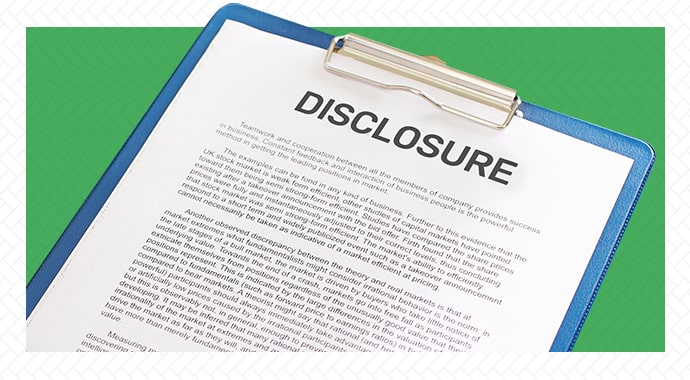
The Vermont Property Purchase Contract includes a clause where both seller and buyer can agree to forego any property condition contingencies.
A contingency from the buyer requires the seller to fix or replace something before the sale can close escrow.
This waiver, however, doesn’t let the seller off the hook for filling out a property condition disclosure.
The seller also won’t credit the buyer with any cash credits for those repairs when this box is checked.
The Green Mountain State uses the title “Vermont Seller’s Property Information Report’ to describe the property condition disclosure.
Sellers must be transparent about any material defects or problems with the house and any structures and land listed for sale with the house.
Owners don’t need to hire an inspection company to complete the report.
The form asks for information about the house from what the owner has experienced during the time occupying the residence.
Homeowners selling a house in a flood zone, or any other federally designated zones, must note that fact on the report.
Property owners selling a house with fire damage or water damage, foundation issues, asbestos, mold, or radon must note these conditions and explain the details of the problem.
Disclosing when selling a house with lead pipes isn’t specifically itemized on the required report, but this may be an issue on the disclosure when the home’s water supply is contaminated by lead.
Property owners must report selling a house with septic system failure if there is any.
Any alterations, modification, or structural changes to the house must be reported. Reporting permitted and unpermitted work done to the property is mandatory.
Homeowners selling a house with termite damage must report the problem. They must also report any pest inspections and mitigation done over the past five years.
The Vermont property information form doesn’t mandate any disclosures related to a haunted house, bed bug infestations, or hydraulic fracturing (known as fracking).
Owners selling a house with polybutylene pipes also aren’t mandated to disclose the use of the pipes in the house.
Homeowners, however, must complete a state disclosure when selling a house with lead paint.
Property owners must also share a federal lead paint disclosure that informs buyers of the health risks associated with leaded paint in houses constructed before 1978 with potential buyers.
You can leave stuff behind when you sell your Vermont house ‘as is’ — as long as you disclose that to the buyer in writing on the purchase contract.
The items you leave must be free of any liens, and any price paid by the buyer for the items can’t be included in the contracted purchase price paid for the property.
Should I Sell My House As Is in Vermont?
The first question that needs to be addressed before listing your house is, “Should you sell your Vermont house ‘as is’ or fix it up?”
Exploring the advantages and disadvantages can help you answer the question, “Why sell a Vermont house ‘as is’?”
Let’s start with the advantages.
Pros of Selling Your House As Is
- You won’t have the hassle of repairing or finding contractors to do the work. You’ll also avoid spending the cash to do those repairs. Even when you do the work yourself, you still need to buy materials to do the repairs — and sometimes rent specialized equipment to complete the job. If you hire workers, you’ll need to supervise the work they do. All this takes time and effort you won’t have to make when selling ‘as is’.
- ‘As is’ sales typically move quickly, particularly when you sell to a Vermont cash house buyer. You won’t need to wait for loan approvals or house appraisals when you sell for cash.
- A report from a Vermont home inspector typically restarts the negotiation process during the sale of a turnkey property, but ‘as is’ buyers generally understand that fixers need repairs. You generally won’t have the stressful back-and-forth debate over repairs when listing as a fixer.
- Many ‘as is’ buyers will allow sellers to leave items behind in the house. This can save you time and money when you aren’t required to do a total house cleanout.
There are some disadvantages to selling as a fixer as well.
Cons of Selling Your House As Is
- You won’t receive a turnkey price for your property. Buyers will incorporate the cost of repairs in the offer. Reviewing the estimated closing costs for sellers can help you evaluate offers on your property to ensure they cover your target sales price after paying the seller’s fees.
- Most of your buyer pool isn’t interested in fixers. Selling ‘as is’ limits your list of prospective buyers.
Now you may ask, “OK, how do I go about selling my house ‘as is’ in Vermont?” There are several ways you can sell your house in the Green Mountain State.
Let’s review the options by starting with selling to a Vermont cash real estate buyer.
How to Sell a House As Is By Owner Without an Agent in Vermont
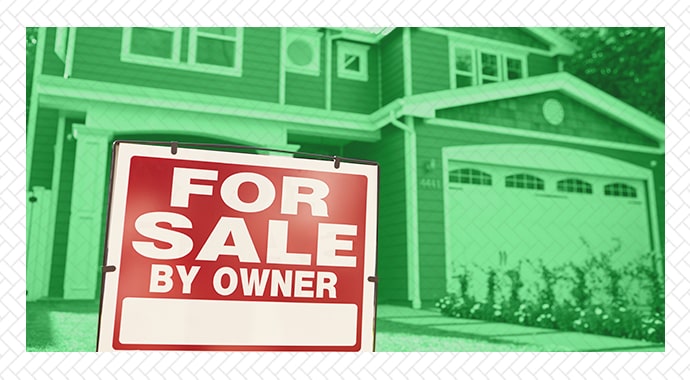
How to Sell a House As Is, Fast and For Cash Directly to an Investor
Before we get into the details of selling your home in Vermont to an investor, we need to identify the people and companies that operate as cash house buyers.
Who Are Cash House Buyers?
Cash house buyers are investors who buy real estate. They’re typically individuals or local businesses, but some hedge funds also invest in real estate.
Many investors use their own cash, but others borrow from private sources to purchase property. Private lending is much faster to fund compared to traditional mortgage lending.
Private lending also doesn’t require appraisals or underwriters to approve loans. Your sale can close quickly both when selling to a cash house buyer and when you sell to an investor using private money loans.
Investors purchase Vermont investment properties that need repairs. They then rehab the house to resell to other buyers. This is known as “flipping”.
Real estate investors in Vermont also focus on buying rental homes to continue to use as rental properties.
When you sell your house to a real estate investor, they will take charge of supervising the sales process.
Cash house buyers specifically look for:
- families selling a house while in probate
- owners selling a house in poor condition
- selling as a divorce home sale
- senior citizens looking to downsize
- workers selling a house for job relocation
- homeowners selling when facing a home foreclosure
- owners selling a house with a tax lien
Cash house buyers work with Vermont investor-friendly title companies that have experience closing investor sales. This allows a smooth and speedy closing.
Pros of Selling Your House As Is Directly to an Investor
- A cash home buyer offers you a fast sale.
- A cash offer means you’ll skip the appraisals and the time needed to wait for loan companies to approve a mortgage. Cash house buyers won’t bring in a cast of home inspectors to complete reports.
- You won’t need to pay real estate commissions when you sell to an investor. When you also skip using an agent, you’ll have major cash savings.
- Investors typically pay your closing costs. That’s a huge advantage!
- On the whole, the sale will involve less bureaucracy and negotiation headache you’d have when dealing with picky buyers who are looking for a home to live in themselves.
Cons of Selling Your House As Is Directly to an Investor
- You won’t receive as high of an offer you’d get for a turnkey property. When making an offer, an investor deducts the cost of home repairs from the after-repair value of your home, as well as their potential profit.
- Working without an agent means you won’t have a professional to represent your interests. However, an agent may also turn out to be incompetent or unethical. It all comes down to researching the professional’s reputation before getting into a deal with them — whether it’s an investment company or an agent.
Finding the Best Cash House Buying Company
Locating a cash house buyer is as easy as opening your favorite search engine and typing in a few of the following search terms.
If you go this way, substitute your town, or a town near your property if you live in a rural area, to bring up companies or individual investors.
- we buy houses Burlington VT
- sell my house fast Burlington VT
- cash house buyers Burlington VT
- sell my house for cash Burlington VT
- iBuyer companies Burlington VT
Once you’ve identified a group of potential investors, it’s time to research to make sure they’re a good match for you.
How to Choose an Ethical Investor?
Some preliminary research can eliminate a few investors from your list.
Look for the “About Us” page on the website that introduces the investor and offers some background information about the person or company.
If the website doesn’t provide this information, eliminate that person from your potential investor pool. Ethical companies are transparent about who you’ll be working with when you sell.
The local branch of the Better Business Bureau (BBB) offers another tool to vet your investors. Check the website to look for any complaints filed against any of your prospects.
Do the same search for online review sites that solicit comments for local businesses. If you’re finding a number of negative comments and complaints there, eliminate those investors from your prospect pool.
If you don’t have time to do the research, you can always request cash offers online from HouseCashin. You can receive offers from investors by submitting one quick online request.
HouseCashin does all the investor vetting for you. We prescreen all partnering companies to ensure you’re working with experienced professionals with a track record of closing sales.
The best part is there’s no fee — no matter how many offers you’ll get! If you are ready, request your cash offers now.
The next listing option is to sell your house yourself. This type of listing is known as a for-sale-by-owner listing, or an “FSBO”.
How to Sell a House As Is by Listing It by Owner
Listing a house by owner (also called FSBO or for sale by owner) puts you in the driver’s seat of the selling process.
To get started, you have to know first what your home is worth to set a good price that is both competitive and appealing to buyers.
You can use an online home value lookup tool to get an approximate estimate of your property’s worth. When that’s done, you can focus on the next steps in an FSBO sale.
The most challenging aspect of selling as an FSBO is locating potential buyers.
Where Can You List a House For Sale by Owner?
One way to advertise your house is to post an ad on FSBO listing sites. Many are free, but some require paying a small fee.
The easiest way to advertise is to put a sign on your property. This works best in areas with a lot of foot and vehicle traffic.
Print some door hangers or fliers that can be mailed and share these with neighbors. Some of your neighbors may have friends or family who want to move nearby.
Also, distribute your fliers to local area businesses. They may have employees who want to relocate closer to work.
Pros of Selling Your House by Listing It by Owner
- Vermont real estate agents earn commission based on the final sale price of the property. You can save your side of the commission fee when selling as an FSBO.
- As a for-sale-by-owner listing, you determine all the details of your sale. You can list and close the transaction when it’s most convenient for you.
- Your listing is your only focus. You can spend your entire time marketing and showing your house, unlike a realtor who has multiple clients and can’t dedicate all of their time to your listing.
Cons of Selling Your House by Listing It by Owner
- Most buyers need loans to buy. If your target buyers are not investors, you’ll wait for mortgage applications, home appraisals, and underwriters to approve the mortgages. This takes weeks to complete while you wait for your sale to close.
- You’re on your own as an FSBO. You won’t have the counsel of a trained professional real estate agent to advise you.
- A mistake representing yourself can delay your closing. A large mistake may have your buyer walk away from the sale. A major mistake may have you in court being sued by a buyer. Understanding the detailed closing costs when selling a home by owner will help you avoid some potential errors.
The final listing option we’ll consider in this guide is selling with the assistance of a real estate agent.
How to Sell a House As Is in Vermont with an Agent

Who Are Real Estate Agents?
Real estate agents are professionals who help you list, market, and sell your house. They are your personal representative in the sale, and they’ll place your interests first.
Vermont requires agents to hold a license. The requirements for a license include taking coursework and passing exams on that material. Agents must work under the direct supervision of a licensed broker.
Some agents are also brokers. However, real estate offices typically have one supervising broker, even when agents also have the education and training to hold the title of broker.
Agents using the title of “Realtor” are members of the Vermont Association of Realtors. That’s the state branch of the National Association of Realtors (NAR).
Realtors in the Green Mountain State take an oath to follow the Vermont Association of Realtors Code of Ethics.
Pros of Selling Your House As Is with a Real Estate Agent
- Realtors have exclusive access to a database of prior local home sales. This professional source allows you to compare your house to other homes that have been sold in your area. You can compare size, features, and amenities to set a competitive price for your property.
- Real estate agents have the education, training, and experience to handle the challenges in a home sale. They are your personal representative who will guide you through the sales process and ensure your interests are paramount over all others.
Cons of Selling Your House As Is with a Real Estate Agent
- Real estate commissions in Vermont average 5-6% of the sales price, although the price of your house and geographic location can reduce this amount. Even after negotiating lower commission fees, the average Realtor cost to sell a home is the lion’s share of the closing costs in Vermont.
- A seasoned real estate professional typically has a number of clients, and they must divide their time to service all of them. You will be one of a number of clients when working with an agent, and your fixer may not be a top priority compared with turnkey properties the agent represents.
- Agents market your home to the general public, and that means you’ll attract prospective buyers who’ll need to apply for a mortgage to buy your house. Mortgages can take weeks for the buyer to receive loan approval and the property to undergo an appraisal and final underwriter approval.
How to Choose an Ethical Real Estate Agent?
The first step in researching prospective agents is to use the Vermont Office of Professional Regulation’s “Find a Professional Lookup” online search tool to make sure your prospective agents have valid and active licenses.
The next step is to visit the website of the Vermont Local Boards of Realtors to check for any complaints filed against your agent prospects.
It’s then time to check the local consumer review websites to locate comments about your list of agents.
Once you’ve narrowed your list, select the three best prospects and invite them to your house to do a listing interview. Experienced agents should have a professional portfolio for you to examine during this visit.
Part of that portfolio should include references. Contact a few on the list to ensure they’re valid recommendations.
Ask your prospective agents to make a written sales plan for your property. Once you receive the plans, select the best plan and agent to handle your property listing. Pick the agent you feel most comfortable working with.
