
4 Best Ways for Selling a Home in Tennessee
Even though the information on this web page is provided by a qualified industry expert, it should not be considered as legal, tax, financial or investment advice. Since every individual’s situation is unique, a qualified professional should be consulted before making financial decisions.
Want to learn how to sell a home in Tennessee? There are four common ways to do that. This guide reviews the advantages and disadvantages for each approach.
We’ll also walk through the steps to sell a property in Tennessee from the preparation period through the final closing day.
Let’s begin our tour of how to sell a house in Tennessee with the type of sale that favors convenience.
#1 How to Sell a House in Tennessee Privately

A private home sale in Tennessee gives property owners a way to sell for cash and complete the transaction in short order, unlike the long delay involved in a traditional real estate sale.
This sale also offers a way to keep your personal information private. You won’t post images of your kitchen and bedroom on the internet for public viewing.
How can you arrange this fast cash sale? It’s not difficult at all. The next segment outlines the details.
What Are Home Buying Companies?
Home buyers who purchase properties fast and privately are real estate investors. Professional house buying companies look for Tennessee real estate investment opportunities such as your house.
Some investors focus on purchasing rental properties, while others look for homes to repair and resell to others.
The simple fact is property investors in Tennessee buy all types of houses, and in any condition.
You may have a mobile home move-in ready for a new owner, or you may want to sell a duplex in rough shape that needs a lot of TLC.
Speed is the keyword for cash home buyers. They can close faster than traditional transactions because investors bring cash or have access to cash from private lenders.
These loans don’t demand time-consuming, exhausting, and paperwork-heavy vetting involved in traditional mortgages, so they can close quickly.
There’s no delay for your buyer’s loan approval, and there are no property appraisals or professional inspections.
Some property owners especially benefit from a private sale, as it helps them close on their property in a situation where a traditional sale would be hard or too long to process.
These situations include:
- selling a house before it goes to a foreclosure auction
- selling a property with a tenant
- selling a property before bankruptcy
- selling a rundown house
- selling a house in an estate
- selling a house with a tax lien
- selling a hoarder’s house
- selling to move to a smaller home
- selling marital property before a divorce
- selling a house for a job relocation
- selling a house by private sale
Tennessee investor-friendly title companies have vast experience in closing cash sales, so an investor may choose them to handle title or escrow services.
Before making the move to sign on the dotted line in a sale to a cash buyer, it’s wise to make a list of the pros and cons of selling your home to an investor.
Pros of Selling to a Home Buying Company
- Cash house buying companies don’t need a mortgage, so there’s no risk that they won’t qualify for a home loan after making you wait for weeks until their application is reviewed by a bank.
- When you sell your Tennessee house for cash, you can close quickly. Think days, rather than weeks!
- There’s no need to spruce things up for the sale. Cash buyers purchase properties in as-is condition, even when the “as is” involves things like unloading a hoarder’s house.
- You won’t be on the hook for agent commissions! Those run between 2% and 3% of the final sales price in Tennessee.
- Cash buyers typically pay the real estate closing costs for sellers.
Cons of Selling to a Home Buying Company
Selling a home in Tennessee to a house buying company has one other consideration.
- Tennessee cash property buyers typically don’t offer market value for homes.
There’s a reason for this. Investors factor the estimated costs for upgrades and repairs and also a profit on the project. That’s the same as any business that plans to stay in operation.
As a seller, there’s something else to consider. You don’t have any commissions or closing costs, and you don’t have to pay the costs to upgrade or repair items. That’s a trifecta of savings!
When you add those three savings and compare it to the investor’s offer, the sales price may come closer than you think to what you’d get from a traditional sale.
How to Find an Ethical Home Buying Company
How to sell your house fast to an investor? You begin the process by finding a reputable cash home buyer.
Start by creating a list of prospects from investors’ yellow letters and postcards you may have received, local billboards, media advertising, and suggestions from your friends and family.
Supplement that list with investors found from an internet search. Use your browser to search for cash buyers by using terms like “we buy houses near me” and “home buying companies in my area.”
Once you have a few names on your list, you can begin the vetting process.
Locate the “About Us” or “Our Company” page on the firm’s website. This page should detail information about the investors.
Keep companies with three years or more in operation. Discard names when the webpage doesn’t provide personal identification or any qualifications.
It’s now time to vet investors to see what former clients have to say about their services.
Look at consumer review sites such as the local branch of the Better Business Bureau, Real Estate Bees, and Yelp to do that.
This is time-consuming, but you want an ethical, experienced investor, so the time and effort are well worth it to find a qualified cash buyer.
Fortunately, there’s a way to speed up this process. You can find ethical and experienced investors by using a free platform that prescreens cash home buyers — our website.
The network of local cash buyers partnering with our national platform offers expertise, quality service, and professionalism.
Request a cash offer on your house by using our simple online form, and then sit back and wait for offers from local cash investors.
Not only is the form easy to complete, but also there are never any charges, fees or commissions to pay. You’re also not under any obligation to sell to any of the investors.
Expert Insight
What should home sellers look for when screening cash house buyers?
Check their business registration on the Tennessee Secretary of State website. A legitimate buyer should have an active LLC or corporation registered in the state.
It takes about thirty seconds to look up and tells you whether you’re dealing with an established business or someone who printed business cards last week.
Look them up on the Better Business Bureau and Google. One or two negative reviews over several years is normal in this business because not every deal works out.
A pattern of complaints about backing out at the last minute, lowering the price right before closing, or pressuring sellers to sign quickly is a serious red flag.
Finally, get at least two or three offers before you decide. Prices vary more than most sellers expect, and the highest offer isn’t always the best one if the timeline, contingencies, or track record don’t hold up.
A trustworthy buyer will encourage you to shop around because they know their offer and their process will stand up to comparison.
— Karson Carmichael, Tennessee Cash For Homes, Owner
When you’re talking to a “we buy houses” company, ask them straight up about assignment clauses. Being honest saves everyone a headache later.
— Rashid Algaradi, BluDoor, Owner
#2 How to Sell a House in Tennessee Traditionally

Selling a home in Tennessee in a traditional transaction has the homeowner pay a commission to a brokerage to handle the listing, marketing, contract negotiations, and supervision of the steps in closing the sale.
Who Are Real Estate Agents?
Agents are licensed professionals who are required to pass courses on real estate law, contracts, agency, and salesmanship before being allowed to help people sell or buy homes.
Agents can take on all the duties involved in selling a house in Tennessee, including completing a comparative marketing analysis to set a price, developing a marketing plan, and recommending specialists to assist in all phases of the sale.
Your agent is your personal fiduciary who will place your interests first in every step of the transaction.
Agents calling themselves “Realtors” are members of the Tennessee Association of Realtors, a branch of the National Association of Realtors.
Volunteer State Realtors take an oath to uphold the highest ethical standards when representing clients.
When considering the use of an agent, it helps to balance the pros and cons of using a brokerage.
Pros of Using a Real Estate Agent
- Agents have the training and ability to assist homeowners in pricing by using a comparative market analysis. They can adjust the price accurately so you get the best possible proceeds from the sale.
- Selling a property in Tennessee requires time and effort. Agents take on these tasks so you can continue to work and maintain your regular schedule.
Cons of Using a Real Estate Agent
- Many sellers are unaware how much it costs to hire a Realtor to sell your house. Real estate commissions in Tennessee run 2%-3% of the final sales price.
- It may take time to sell your home. Your house may sell in days, but most likely it will take weeks or even months to find a buyer.
- Your agent mostly brings clients who need home loans. Traditional sales require time for buyers to apply for loans and a delay for the required home appraisal.
How to Find a Good Real Estate Agent
A successful sale involves locating a qualified agent. Ask your friends, family, and coworkers for recommendations.
Make sure the agents on your list have at least three years of professional experience and expertise in selling houses in your area.
Check consumer comments about your prospects by using review websites such as the Better Business Bureau.
Once you’ve narrowed your list of prospects down, invite three agents to your home to do a formal listing presentation. Choose the best prospect and then sign a listing contract.
For homeowners who enjoy hands-on experiences, the next sales method might be the ideal approach.
Expert Insight
What should home sellers look for when screening real estate agents to hire?
It takes two minutes and tells you whether they have any disciplinary history. Most sellers never do this and it’s the easiest filter available.
Ask how they handle offers from cash buyers and investors.
A lot of agents reflexively steer sellers away from cash offers because the price looks lower on paper, without doing the math on carrying costs, repair credits, financing contingencies, and closing timeline.
A good agent can walk you through a true side-by-side comparison and let you make an informed decision. If they dismiss cash offers outright, that’s a gap in their skill set.
Finally, trust your gut on communication style.
In Tennessee markets like Spring Hill, Columbia, and the surrounding areas, things move quickly and you need someone who returns calls the same day and gives you straight answers.
Interview at least three agents before you decide, and if any of them pressure you to sign a listing agreement at the first meeting. That alone is a reason to keep looking.
— Karson Carmichael, Tennessee Cash For Homes, Owner
Call 3 past clients and ask specific questions about how the agent handled tough negotiations.
I’ve seen agents who are great at marketing but terrible at fighting for sellers during inspections.
That’s where deals die. Pick someone whose ego isn’t bigger than their results.
In Nashville, personal reputation matters more than any marketing gimmick.
— Matt Ward, The Matt Ward Group, Team Lead
#3 How to Sell a House in Tennessee Without Middlemen
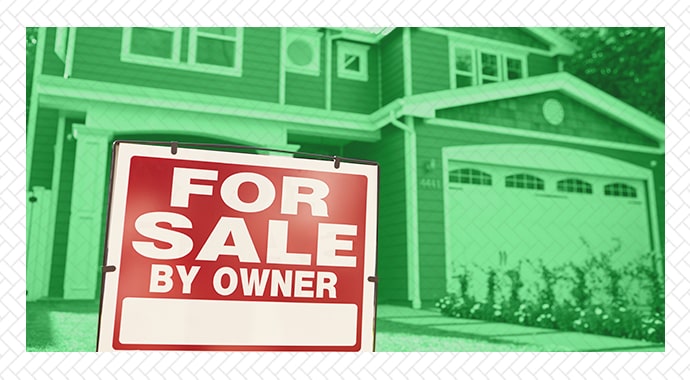
“For sale by owner” listings (FSBOs) have homeowners taking on all of the tasks of marketing and selling a house.
The process begins with prepping your house to show and filling out the state-mandated property disclosure.
The first listing steps require you to fill out a property condition disclosure and decide on a price. An online home worth calculator is a handy tool to assist with that.
The Tennessee Comptroller of the Treasury also has a property search feature on the office’s website that includes county assessor data. This may also help in pricing.
FSBO sellers then need to review Tennessee contract law, techniques for marketing and negotiating a contract, and the details of title and escrow to assist when necessary during those closing steps.
Ways to Market Your House Yourself
- “For sale by owner” signs are a key to let the public know your house is on the market. Don’t forget to list your contact information.
- Create a video to display your home and the amenities to the best advantage. Post it on places like YouTube.
- Develop a flyer for your property that includes images and details that prospective buyers may find attractive. Share this before home showings.
- Write content to place on FSBO websites. Many of these are free to sellers.
FSBO sales can offer some major advantages for homeowners.
Pros of Marketing Your House Yourself
- Commissions are a major part of your closing costs in Tennessee. You’ll skip these when selling as an FSBO.
- You control everything about your sale. You can set your own sales calendar.
- You can put your home sale on the top of your to-do list. While agents have other clients, you have only your home to sell.
The pros may offset the cons, but it’s important to consider both.
Cons of Marketing Your House Yourself
- You should have a mastery of real estate laws, including local, state, and federal regulations.
- You may not have the skills to navigate the complex negotiations involved in sales contracts and buyer’s property repair demands.
- Any uncertainty can mean delays, and you may lose your buyer. Serious mistakes may have your buyers sue you for your errors.
- You are on the hook to pay your for sale by owner closing costs. Your inexperience in dealing with these fees may mean you pay more than the typical costs when using an agent.
Our last sales entry covers a way to buy and sell your home at the same time.
Expert Insight
What are the common pitfalls when selling a house by owner?
FSBO sellers often give ground on price, repairs, and closing costs all at once because they don’t have someone in their corner helping them hold the line.
Know your number before you ever take the first call, and decide in advance which concessions you’re willing to make and which ones you’re not.
Going into those conversations without a plan is how sellers leave real money on the table.
— Karson Carmichael, Tennessee Cash For Homes, Owner
They also don’t know Tennessee’s disclosure requirements, which can kill a deal or create legal problems months later.
— Matt Ward, The Matt Ward Group, Team Lead
— Rashid Algaradi, BluDoor, Owner
#4 How to Sell and Buy a House at the Same Time in Tennessee
Buying and selling a house simultaneously happens often in the Volunteer State, but some iBuyer companies in Tennessee offer something that might be useful for homeowners who have significant equity in their current home.
When you’ve found a home to buy but don’t have the cash from the sale of the property you currently live in, you’re faced with a dilemma.
Should you list your house and hope to attract a buyer who can close quickly, or offer the owner a contingency sale that will temporarily hold the house until you can sell?
Another buyer can come in and take your home under a contingency sale, and the owner may not be interested in waiting for you to sell.
You have another option. An iBuyer will purchase your home, and you can take that cash equity to buy another house. Once your sale is closed, the iBuyer will then complete the transaction on your property.
iBuyer sales move faster than traditional transactions because they are cash sales. You’ve also eliminated the additional wait time of finding a buyer who then needs to qualify for a mortgage to buy.
Home Sales Process in Tennessee

We’ve answered the question, “How do I sell a home in Tennessee?” by presenting four different options. The last segment walks you through the steps in a typical Volunteer State home sale.
Before Signing a Purchase Contract
The time before you sign a listing contract involves preparing your home for the market.
You may need paint, carpet, landscaping upgrades, decluttering, new window coverings, or even repair work.
In a traditional sale, or when you take on the sale as an FSBO, you’ll need to complete all those things before putting your property on the market.
When you sell to an investor, you can skip everything on that list. You simply sign a sales contract.
Tennessee requires all homeowners to complete a property disclosure listing any material defects or health risk associated with your property. These are things that could reduce the value of your house.
Our article “How to Sell Your Home As Is in Tennessee” provides more information about the details on the Volunteer State property disclosure.
Marketing the Property
You, or your agent if you’re working with one, will lay out a plan to sell your property.
This marketing step can be perfectly planned, but still not attract buyers due to circumstances out of your control, like the weather or a national economic crisis.
Real estate marketing can take weeks, or months, and there’s no guarantee of a firm sales calendar.
At a minimum, you’ll need a property sign, a broker preview, and loads of advertising to put some buyer eyes on your home. The more eyes, the greater the chance for a sale.
However, if you choose to sell your house to an investor, you won’t need any marketing. Cash buyers have a financial plan, and if your house falls into that plan, they’ll make an offer without needing any hoopla or promotion.
Accepting an Offer
Hopefully, you’ll have multiple buyers for your home, but it only takes one quality buyer to make an offer to sell.
You, or your agent, may need to counter the offers made on your property, sometimes more than once, until you have terms you like.
Your buyer will present an earnest money deposit with the offer. This will be transferred to a special escrow account when you accept the proposed price and terms.
From this point on, a licensed real estate attorney might take over the sale. Most times your agent continues to serve as your fiduciary and will open an escrow account for the sale.
If you’re operating as an FSBO, you’ll handle the escrow opening and order a title search and title insurance policy.
Buyer Due Diligence Period
The due diligence period in the sale offers your buyer a time to do in-depth research on your home by hiring property inspectors.
Your buyer will also need to secure a home loan or arrange for cash to close the sale.
Your escrow officer will prepare the sale paperwork, a title agent will conduct a search for any liens or problems with your property title, and your buyers will arrange for hazard insurance for their new purchase.
Investor sales will forego elaborate formal inspections and the prolonged process of obtaining a home mortgage.
Cash buyers don’t need traditional mortgages, and they’ve conducted inspections prior to making an offer on your home.
Several days before the final closing process, your escrow officer, or your attorney, will review the closing statement that itemizes your costs and fees.
You won’t see commissions or closing costs on the statement when you’ve sold to an investor.
Your buyer will take a final walk through the house to ensure it looks the same way it did when they made the offer and, if the buyer is not an investor buying your house as is, to make sure that any contracted repairs have been made.
Closing
The last step is the formal closing where the signatures are collected and the keys to the property are given to the new owner.
Your escrow agent or your attorney will supervise this process, and ensure that the new deed is filed with the county Register of Deeds.
Once your deed has been filed, your property is officially sold.
Expert Insight
In a traditional real estate sale, which stage is the most complex and time-consuming for sellers and how could they make it easier?
Tennessee sellers have the most complicated and time-consuming inspection period. Buyers are likely to ask for repairs or renegotiation if they discover problems.
Do a pre-listing inspection and provide results upfront to make it easier.
I’ve worked with homeowners in difficult situations and those who provide an inspection report early close quicker.
While you’re at it, you should also include a “no repair” clause in your listing, which will help keep things moving.
— Matt Bigach, Nexus Homebuyers, Co-Founder and Real Estate Investor
Tennessee sellers can make this easier by pulling their own comps before listing and being realistic about where the price needs to land.
An agent who prices aggressively to win your listing but can’t support the number at appraisal costs you weeks.
Another is loan underwriting, which is mostly out of the seller’s hands but can be helped by keeping the property in the same condition it was when the buyer went under contract.
Lenders sometimes require a final walkthrough or additional photos, and a home that has deteriorated between contract and closing can create last-minute problems.
Keep up basic maintenance, don’t remove fixtures, and communicate quickly if anything changes with the property.
The simplest thing a seller can do to make the whole period easier is stay organized and respond fast.
Delays in this stage almost always come down to someone not returning a document, not scheduling an appointment, or not making a decision when asked.
Sellers who treat this period like a job and stay one step ahead of what’s coming next close on time far more often than those who assume their agent is handling everything.
— Karson Carmichael, Tennessee Cash For Homes, Owner
Next Step

You now have the four most common approaches to selling and the steps involved in the sales transaction. The only thing left to do is to start your lists of agents, iBuyers, and investors.
We’re here to help with that last category.
Simply request cash offers via our quick online form, and you’re on your way to being contacted by experienced investors vetted to ensure they’re qualified to quickly buy and close a transaction on your home.
There’s no charge for requesting, receiving, accepting, or declining offers, and you’ll never pay any commissions for anything. You’re also under no obligation to accept any offer!
