
4 Best Ways for Selling a Home in Pennsylvania
Even though the information on this web page is provided by a qualified industry expert, it should not be considered as legal, tax, financial or investment advice. Since every individual’s situation is unique, a qualified professional should be consulted before making financial decisions.
Homeowners in the Keystone commonwealth have four common ways to sell their properties. This article details those options and presents some advantages and disadvantages for each method.
After introducing those sales approaches, we’ll review the basic steps in a typical Pennsylvania sales transaction.
Let’s begin our tour of the common sales techniques with the private sale.
#1 How to Sell a House in Pennsylvania Privately

Property owners looking for an all-cash sale with a speedy closing greatly benefit from selling their house privately.
This method eliminates the wait involved in marketing your home and the delay that occurs when an institutional lender requires property appraisals and underwriting.
You also don’t need to expose your home to the general public. No looky-loos visiting your property during showings and nobody looking through your closets at open houses.
You won’t experience last-minute calls to see your property or the need to keep your house picture perfect at all times.
Your home will close quickly for cash when you sell a property in Pennsylvania privately.
Let’s delve into more detail about the private sale in the next segment.
What Are Home Buying Companies?
Home buying companies are professionals who look for Pennsylvania real estate investment opportunities.
Some Pennsylvania real estate investors have developed business plans that focus on purchasing a rental property as an investment.
Other investors purchase properties in as-is condition, repair them, and then resell them to other buyers.
Investors look for a variety of homes, and most buy both single and multifamily units. They’ll purchase both attached and detached houses and even vacant land and commercial properties.
Buyers from the general public favor homes that are move-in ready, with few required repairs. Investors purchase properties in as-is condition.
Sellers need not to do any repairs before selling to a cash investor.
Professional investors have two important things in common — they have cash to buy (or a hard money loan in place), and they can close quickly.
You won’t have to wait for an investor to qualify for a loan, and sellers won’t have to endure any property appraisals.
Home buying company sales are particularly attractive to property owners selling a home in Pennsylvania who need a quick closing, including people:
- selling a house to avoid foreclosure
- selling a home with a tenant
- selling a house before bankruptcy
- selling a damaged house
- selling real estate in probate
- selling a house with a tax lien
- selling a hoarder’s house
- selling to move to a smaller home
- selling a home during divorce
- selling a house for a job relocation
- selling a home privately
Cash home buyers typically use investor-friendly title companies in Pennsylvania because they have experience moving quickly in all-cash sales.
You may find the benefits of selling your home to a real estate investor are exactly what you’re looking for in a home sale.
Pros of Selling to a Home Buying Company
- Fast cash home buyers can close transactions quickly, sometimes in only a matter of days.
- Cash home buying companies in Pennsylvania don’t encounter the uncertainty that sellers experience with buyers who must obtain a mortgage to purchase the home.
- No need to prep your home for sale when you sell to an investor. This saves time and money.
- When you pass on using a Realtor on your side of the transaction, you’ll save 2%-3% of the final sales price.
- Investors will typically pay the home seller’s closing costs.
Cons of Selling to a Home Buying Company
When selling a home in Pennsylvania to a cash investor, there’s another consideration for sellers.
- The offers from real estate cash buyers in Pennsylvania generally don’t match market value.
The reason for the difference is twofold. Investors, like any company, must earn some profit to stay in business.
There’s more that sellers should consider when evaluating an offer from a cash investor — the bottom line is the net proceeds, not simply the sales price.
Cash home buyers generally pay the seller’s closing costs, and sellers won’t pay brokerage commissions, because investors forgo using a real estate agent.
Both those savings mean the seller walks away with what’s listed on the contract offer.
This contrasts with an agent sale where the seller must deduct commissions and closing costs from the sales price.
When comparing a Realtor sale versus an investor sale, you may see that the investor sale will bring you more money than you thought.
The next segment outlines how selling your house to an investor works in the commonwealth and how you can locate an ethical cash investor.
How to Find an Ethical Home Buying Company
The first step in finding a professional cash home buying firm is to collect a list of prospects. Note names on mailers, media ads, local signage, and ask friends, coworkers, and family members for recommendations.
Add to that a list of investors from an internet search for local home buyers. Search the web by using terms such as “we buy houses” or “cash for homes” along with your locality.
Check consumer feedback by using websites such as Yelp, Real Estate Bees, and the local branch of the Better Business Bureau for any comments about the investors on your list.
Ethical investors are transparent about their training and experience. Research the websites for the investors on your list. They should feature an “About Us” section or a page labeled something similar.
Look for investors with a minimum of three years in the home buying field and a bio that includes professional memberships in real estate trade groups and local community organizations.
It’s then time to check the commonwealth’s Bureau of Consumer Protection to see if any consumer complaints have been filed against your list of investors.
There’s a faster way to vet potential investors, and we are here to assist with that. Request a cash offer on your house by using the quick and easy form located on our website.
We’ll put you in touch with the local investors partnering with us. We’ve prescreened each one for their professionalism, expertise, and their experience in closing sales.
There’s never a fee for the prescreening or the referral, and there are no commission fees for sellers. You won’t pay a fee for requesting, accepting, or rejecting an offer.
No fees, no charges — nothing for you to pay.
Expert Insight
What should home sellers look for when screening cash house buyers?
Is there any pressure? Is there any obligation to accept the cash offer?
Sometimes a cash home buying company will continue reaching out after the sellers clearly aren’t interested. Consider a company that has no hassle, no obligation policy.
— Ryan David, We Buy Houses In Pennsylvania, Lead Investor/Dispo Specialist
If you’re considering using a “we buy houses” company, I would strongly suggest interviewing a real estate agent first so that you can get the accurate market value of your home before going to the “we buy houses” companies.
The “we buy houses” companies will pay you less than the market value but you want to assure that you’re getting at least 60% of what the market value is.
Many of the “we buy houses” companies offer really low amounts thinking that a seller will just accept the offer.
— Brett Rosenthal, Revolve Philly Group at Compass, Realtor/Team Leader
#2 How to Sell a House in Pennsylvania Traditionally

A traditional real estate sale involves hiring a real estate agent to represent you. Let’s get into the details of it.
Who Are Real Estate Agents?
Real estate agents are professionals who have training and expertise in selling a property in Pennsylvania.
They’re licensed by the commonwealth and work under the direct supervision of a licensed real estate broker.
Your agent is your legal fiduciary who takes charge of listing, marketing, and guiding you through the sale and the transaction closing. Agents put your interests first when selling a house in Pennsylvania.
Professionals using the title of “Realtor” belong to the Pennsylvania Association of Realtors, a trade group that holds members to an ethical code and the highest level of business practices.
Pros of Using a Real Estate Agent
- Agents have training and experience selling a property in Pennsylvania. They’ve handled all aspects of the transaction and can move quickly to resolve issues.
- Realtors have access to the Multiple Listing Service (MLS), a proprietary database that can assist in setting a price for your property that will easily appraise when sold.
- Your agent is your fiduciary and can handle the details of the sale without requiring you to take time to market and handle things like tracking escrow and closing.
Cons of Using a Real Estate Agent
- The average Realtor cost to sell a home is 5.5% to 6% of the final sales price. That adds a significant fee to selling a house in Pennsylvania.
- You may not sell immediately. It may take weeks, or even months, to locate a buyer. Additional time will then be added for the buyer to obtain a loan and the property to wind through the escrow and closing processes.
- Buyers from the general public, which is the agents’ audience, typically require loans to buy. This adds weeks, sometimes months, to the transaction’s calendar.
A qualified agent is the key to a smooth real estate transaction. You can locate a good agent by vetting the local market to find a Realtor that matches your needs.
How to Find a Good Real Estate Agent
Start your search by collecting a list of prospective real estate agents. Ask family, friends, coworkers, and neighbors for their recommendations.
Supplement that list with names from the local branch of the National Association of Realtors for specialists in your area.
Confirm the agents on your list have a clear professional record free from suspensions or citations for unprofessionalism by using the Commonwealth of Pennsylvania’s Professional License online lookup tool.
Skim online local consumer websites to check for feedback about the agents on your list. Look for positive comments that provide specific details about the agents’ skills and abilities.
Once you’ve narrowed your list of prospects, invite several to do a formal listing presentation. Ask for a specific marketing plan for your home to be discussed during that meeting.
Select the best agent and then sign a listing contract with their broker.
The next selling option taps the homeowner to assume all the duties involved in selling a property.
Expert Insight
What should home sellers look for when screening real estate agents to hire?
Some of the really busy agents are too busy, which results in them passing your property to somebody else that isn’t as skilled or just not giving you the proper amount of attention.
I would look at reviews and then also interview a few agents to determine which one will work best with you.
— Brett Rosenthal, Revolve Philly Group at Compass, Realtor/Team Leader
#3 How to Sell a House in Pennsylvania Without Middlemen
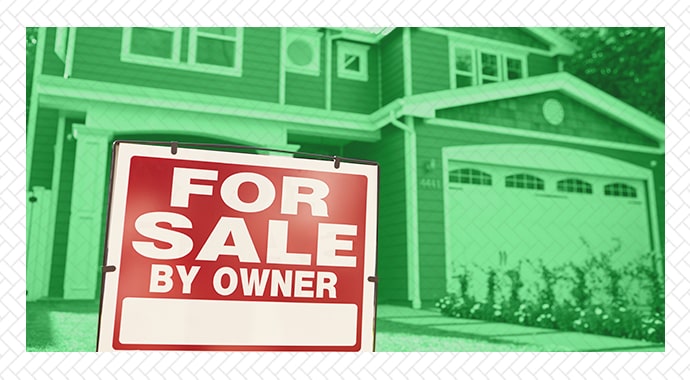
A “for sale by owner” listing, known as an FSBO, requires the seller to take on all the responsibilities that a real estate agent would handle in a traditional sale.
You’ll need to prep the home, and that may require upgrades and improvements to attract buyers looking for a turnkey property.
Homeowners must set a sales price. If you’re unsure of your property’s worth, you can use our online tool to find the current market value of your home.
Under commonwealth law, you must complete a property disclosure and present it to prospective buyers before they make an offer on the property.
This disclosure lists any material damages or safety and health risks associated with the home.
Locating prospective buyers can be challenging for FSBO sellers, but you can do a few things to improve the chances of finding interested home buyers.
Ways to Market Your House Yourself
- Place a sign on your property that includes several ways to contact you for a home showing.
- Create videos featuring the rooms in your home and upload these to places like Instagram or YouTube.
- Make up a formal flyer that itemizes your home’s features and amenities. Distribute these to prospective buyers who tour your home.
- For sale by owner websites offer a way to market your property by using the internet.
For DIYers, there are some attractive benefits to selling their home on their own.
Pros of Marketing Your House Yourself
- You’ll save agent commission fees on your side of the sale when you handle the sales duties. The lion’s share of Pennsylvania closing costs are the commissions.
- You set the calendar for listing and closing times.
- You can focus all your attention on your property, unlike an agent who has multiple clients demanding time.
There are, however, some serious downsides to an FSBO listing that need to be considered.
Cons of Marketing Your House Yourself
- You’ll need to follow the laws and rules of the commonwealth, and this may be overwhelming when you haven’t studied real estate law.
- Nobody will have your back in the sale. You’re on your own.
- You may make mistakes that create delays. Serious mistakes may see you in court when your buyers are extremely unhappy.
- Without a clear understanding of FSBO closing costs, you may end up missing out on some savings when you’re unaware of the fees that can be negotiated.
Our final sales method incorporates both selling and buying almost at the same time.
Expert Insight
What are the common pitfalls when selling a house by owner?
Also, it should be known that you don’t have to be Einstein to sell a house yourself. A simple pre-made real estate agreement from your local office supply store will be more than sufficient.
— Ryan David, We Buy Houses In Pennsylvania, Lead Investor/Dispo Specialist
#4 How to Sell and Buy a House at the Same Time in Pennsylvania
You’ve finally found your dream home, and it’s on the market, but there’s a problem. You have a home, and it’s not even listed for sale yet.
You have several options. You can list your current home, hope to quickly locate a buyer who has cash, and can close quickly so you can buy your new home.
You also have the option of offering a contingency sale to the seller of your dream home. But the odds of the first scenario are slim because sellers typically don’t like contingency sales.
There’s another option that you may not have considered. You can sell your current home to a Pennsylvania iBuyer.
An iBuyer sale gives you the cash equity from your current house to buy your new home. iBuyers purchase with cash, so you can immediately purchase your dream home.
Once that transaction has finalized, the iBuyer will close the sale on your current home.
Home Sales Process in Pennsylvania

That’s how to sell a house in Pennsylvania in four ways.
Our next segment explains the basic steps in the sales process itself, regardless of the sales method you use.
Before Signing a Purchase Contract
Some common requirements to all sales methods before signing a purchase contract include completing the property disclosure.
That document provides transparency about any material defects or health and safety issues associated with your property.
If you’d like more information about the property disclosure, see our article “Why Sell a Pennsylvania House As Is” for specific details.
The only thing you need to do to sell to a property investor or iBuyer is to request an offer, so there’s no prep required.
The other sales methods require preparing your home to market to the general public. This could mean painting, replacing flooring, making structural repairs, and staging to make the home turnkey ready.
Marketing the Property
Selling as an FSBO or listing with an agent requires developing a marketing plan.
That might include signage, advertising, open houses, broker previews, virtual tours, or professional photography sessions that may include drones.
Investors and iBuyers aren’t interested in advertising or promotion. They don’t require any marketing to buy.
Accepting an Offer
A buyer will present a written contract and submit it to you with an earnest money deposit. When you accept the offer, that money will transfer to an escrow account.
Buyer Due Diligence Period
The due diligence period in the sale is a hub of the sales activity, primarily on the part of the buyer.
Your buyer will obtain a loan, contract for title and hazard insurance on the property, and they’ll complete the home inspections and any renegotiations that may entail after the inspections.
Buyers will research any issues noted on the seller’s property disclosure form.
At least three days prior to the final closing session, your escrow officer will review the closing costs with you.
You’ll pay commissions when agents are involved, and closing costs when you’re selling as an FSBO or with an agent.
Investors and iBuyers typically cover both sides of the closing costs, and they don’t use agents, so there are no commissions paid in those transactions.
The buyer has the legal right to a property walkthrough by using a Pre-Settlement Walkthrough Report (PSW) before the final paperwork is signed.
Closing
The real estate closing process or settlement has buyers and sellers sign the legal documents and have those notarized.
The property keys are exchanged, and the new deed is then filed with the county Recorder of Deeds office during the settlement.
That’s the commonwealth real estate sales transaction in a nutshell. You have sold your home.
Expert Insight
In a traditional real estate sale, which stage is the most complex and time-consuming for sellers and how could they make it easier?
Will the buyer actually obtain mortgage approval, or the whole process be a waste of everyone’s time?
The buyer’s home inspection opens the process up to negotiation and delay.
And finally, will the house pass the appraisal needed for funding?
If there’s a hang up at one of these stages, the deal could easily and quickly die on the vine.
I’ve seen sellers get stuck in this loophole multiple times and it delayed their house sale months until they found buyers that could actually make it beyond this point.
— Ryan David, We Buy Houses In Pennsylvania, Lead Investor/Dispo Specialist
I would recommend getting a home inspection before you list your home so that you know of potential issues that may come up and can choose to either fix them or that potential buyers know.
Often when you have a recent inspection done before you list the home, buyers will just not do an inspection which will save time and complex complexity in a transaction.
— Brett Rosenthal, Revolve Philly Group at Compass, Realtor/Team Leader
Next Step

You now know the four typical selling approaches and the details of the sales transactions. It’s now up to you to decide how to sell a home in Pennsylvania.
We can help with the collection of professional investor contacts. Simply request cash offers by completing the short form on our website.
We’ll connect you with investors who have been vetted for their expertise, professionalism, and local experience in buying homes for cash and closing quickly.
There’s never any fee to you, and you won’t have any commissions to pay should you accept one of the offers or decline them all. It’s fast, free, and easy.
