
4 Best Ways for Selling a Home in New Hampshire
Even though the information on this web page is provided by a qualified industry expert, it should not be considered as legal, tax, financial or investment advice. Since every individual’s situation is unique, a qualified professional should be consulted before making financial decisions.
Granite State homeowners have four primary methods to sell their property. This article reviews that quartet of sales options and explores the advantages and disadvantages of each one.
We’ll wrap things up with a step-by-step account of what happens when you sell a property in New Hampshire.
Let’s kick things off with selling a house in New Hampshire by using the private sale.
#1 How to Sell a House in New Hampshire Privately

The private sale offers a speedy, all-cash sale that’s, well, private.
In a traditional sale, your buyers typically need to take out a loan to purchase your home. That means applications, verifications, wait time, appraisals, more wait time, and underwriting.
And there’s no guarantee your buyer will qualify for that loan, and then you’ll need to start fresh with a new purchaser.
In a private sale, the buyer brings cash. You won’t have any delay due to obtaining a mortgage.
In a traditional sale, you’ll market your home online and offline as well as hold open houses, where your neighbors will make comments on your approach to decorating and look through your closets.
Locating a buyer in a traditional sale could take weeks, maybe months, and it just might be never when your home is a major fixer.
In a private sale, you make one request for an offer, and your buyer appears like magic — and with cash!
So, just how do you find a private buyer? The next segment introduces these buyers.
What Are Home Buying Companies?
Those private buyers are real estate investor companies that buy houses. They might be solo operators, companies working with a team of buyers, or even a hedge fund that purchases real estate.
New Hampshire real estate investors have two things in common. They bring cash to the sale, either through a hard money loan from a non-institutional lender, or they use their personal funds.
The second shared trait is that the transaction moves fast. When you sell your house to an investor, your sale will close quickly, sometimes in a matter of just days when necessary.
These companies look for investment property in New Hampshire, most often for buying rentals that they can hold for a steady source of leased income.
Some professionals, however, prefer the fix-and-flip strategy — buying fixers, repairing them, and then reselling.
Investors buy condos, single-family houses, duplexes, manufactured homes, townhomes, and even vacant land! Different investors are interested in different types of properties, so there is always someone to buy yours.
An investment sale can be particularly helpful for some homeowners, including those:
- selling a house before it goes into foreclosure
- selling a home with renters
- selling a house before bankruptcy
- selling a rundown house
- selling a house after a death
- selling a house with taxes owed
- selling a hoarder’s house
- selling to downsize to a smaller property
- selling as part of a divorce home sale
- wondering how to privately sell a house
- selling a house for job relocation
Investor-friendly title companies in New Hampshire offer specialized services that facilitate closing quickly.
Pros of Selling to a Home Buying Company
- When you sell your house for cash, your sale will close faster compared with a transaction that requires the use of a mortgage. Cash means a speedy sale!
- Cash house buyers in New Hampshire offer reliability. There’s no risk that your buyer won’t qualify for a loan, or your house won’t meet an appraisal evaluation required by a mortgage lender.
- You’ll skip all the home prep. Investors aren’t interested in cosmetic fixes or home staging. Most of them look for properties where they can repair something to add value.
- Home buying companies don’t charge commissions, so when you also skip using an agent, your transaction is commission-free!
- Professional cash buyers pay their closing costs to sell a home, and they’ll also pay the seller’s costs.
Cons of Selling to a Home Buying Company
- New Hampshire real estate cash buyers generally don’t pay market value for a home.
There are logical reasons for that. The first one is they are a business. If they don’t make some profit, they can’t operate.
For the seller, there’s another important reason. The offer from a home buying company is what you’ll walk away with from the sale. It’s your net — that’s cash in your pocket.
On the contrary, in an agent-assisted sale, the price offered isn’t what you take out. You’ll need to deduct the commissions paid to the agents involved in the sale, and you’ll need to pay the transaction closing costs.
Cash investors don’t charge commissions and they’ll also pay your closing costs. These two costs are significant.
So, comparing an investor’s offer to an offer you got thanks to an agent isn’t correct. You should compare the net proceeds in both cases.
So when you make this comparison, you may see that the proceeds from an investor sale aren’t that bad compared to a sale with an agent, especially considering the benefit of speed and ease.
How to Find an Ethical Home Buying Company
Like every profession and business, there are some less-than-reputable cash buyers.
This segment makes some suggestions so you can find an ethical investor who’ll make a fair cash offer and be able to close the sale.
You need to start with a list of prospective cash investors. Collect names of companies from advertisements, local billboards, and recommendations from co-workers, friends, and family.
Make a search by using the internet, too. Terms such as “we buy houses in [your town]” should result in a list of cash buyers in your area.
Visit the websites of these companies. Then, locate the information tab about the firm. It might be listed as “About Us” or something similar.
You should see specific background details, such as years in business, recommendations, and any memberships in local community and professional groups.
Look for at least three years in home investments. If that information isn’t present on the site, move on. Honest investors are transparent about those facts.
Check the consumer feedback for each name on your list by using sites like Yelp, Real Estate Bees, and the local Better Business Bureau (BBB). Remove investors who have negative feedback from the list.
If the investor holds a state license, it should be listed on the website. Use that information to investigate the cash buyer with the New Hampshire Office of Professional Licensure and Certification.
The New Hampshire Consumer Protection and Antitrust Bureau is another valuable resource for vetting your list of prospective investors for prior business improprieties.
Vetting takes time and energy — lots of it — but there’s an easier way.
We’ve prescreened local investors in your area for their professionalism and their ability to close a transaction in short order.
The investors partnering with us have a long history of closing transactions, leaving a trail of happy sellers.
When you request a cash offer on your house by using our website, we’ll share that information with local investors who are looking for properties just like yours.
There’s no fee and no obligation to accept offers. You don’t pay one dime, not now or ever. Free, fast, and easy!
Our next sales method is one you’ll undoubtedly recognize.
#2 How to Sell a House in New Hampshire Traditionally

A traditional sale is one where the homeowner hires a real estate agent to handle all aspects of the property sale.
Who Are Real Estate Agents?
Real estate listing agents work with sellers to handle most of the work for them. They will list your home, negotiate on your behalf, and work as a liaison between you and potential buyers.
They’ll also show your home, assist with coordinating the due diligence period, and then with the final closing of the sale.
The agent’s brokerage charges you a commission, and a licensed supervising broker oversees your sale to ensure it follows local, state, and federal regulations.
Agents using the title of “Realtor” belong to the state branch of the National Association of Realtors (NAR).
The New Hampshire Association of Realtors holds members to a strict standard of ethics and professional conduct.
Evaluating the benefits and drawbacks of using an agent can help you decide if an agent-assisted sale is right for you.
Pros of Using a Real Estate Agent
- Your agent and your agent’s broker have the training and experience to handle any issues that can arise during the sale.
- Realtors have access to a proprietary database of current listings and former sales. This can help you in setting a price for your home.
- A real estate agent handles all the details of the marketing and sale, allowing you to go about your normal activities without requiring you to worry about addressing all the details of your listing and sale.
Cons of Using a Real Estate Agent
- The sticker price for an agent is the main downside in using a brokerage. Realtor costs when selling a house in New Hampshire run between 4.5%-5% of the final sales price.
- Marketing your home could take some time. If it’s a fixer, it might take a really long time to attract buyers.
- Home shoppers brought by agents typically need a mortgage to buy — with all the delays that a loan entails. You could sit for weeks just waiting for your buyer’s mortgage to fund!
How to Find a Good Real Estate Agent
Recommendations are the best way to locate a quality agent. Ask friends, family, and coworkers for suggestions.
Use the New Hampshire Online Licensing webpage to look up prospective agents on your list.
This search tool is one way to ensure your agents are licensed and that they are in good standing with the state licensing board.
Skim comments listed on consumer review sites such as Real Estate Bees, Yelp, and the New Hampshire branch of the Better Business Bureau (BBB).
If you’re seeing a number of negative comments, remove those agents from your list.
The most important screening tool for sellers is the personal interview. Invite agents from your list of prospects to make a professional listing presentation at your home.
Ask them to include a marketing plan specific to your home as part of that meeting.
Select the agent with the best communication skills and a plan you feel would sell your home. Then, sign a listing contract with the agent’s brokerage.
Our next sales option is perfect for homeowners who like DIY activities. The “for sale by owner” method, also known as an FSBO, puts you in charge of all the details of your home sale.
#3 How to Sell a House in New Hampshire Without Middlemen
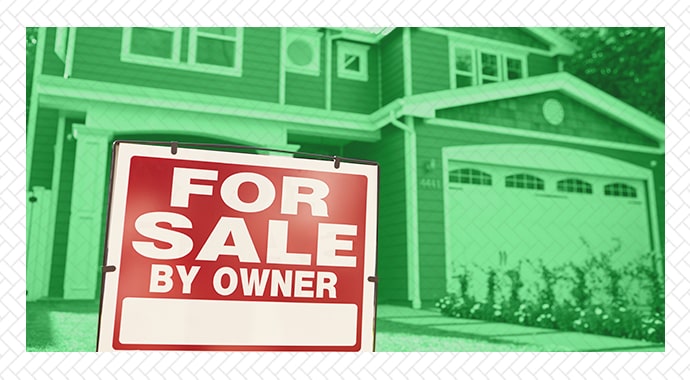
Selling your own home asks you to do the listing, marketing, negotiations, vetting, and the supervision of escrow, title, and the final closing.
Preparing your home for sale might be the most time-consuming part of your sales duties.
Typical buyers look for move-in ready properties, so you’ll need to make your home as close to turnkey as you can.
This may mean painting, replacing items like appliances or flooring, or even adding landscaping to give your home a welcoming first impression from the street as potential buyers arrive.
You’ll then set an asking price for your property. If you don’t have information to do this, an online calculator can assist you in determining your current home value.
While New Hampshire doesn’t require sellers to use a printed state-approved disclosure form, state laws do mandate you share specific information about your home with home shoppers.
You can develop your own statement or purchase disclosure forms modeled on the printed forms used by Realtors.
There’s a collection of other disclosures that are required by the state and federal government. These must be presented to all of your prospective buyers.
Maybe the most difficult step in the FSBO sale is attracting buyers to your home. Some are proven winners, but not all work in every real estate market.
Ways to Market Your House Yourself
- Signs are a way to let potential buyers know your home is for sale. Make sure you list several ways to contact you for a home showing on your signage.
- Video tours that show your home’s amenities can interest buyers in taking a look at your house. YouTube and Instagram are popular platforms to post your videos.
- A professional-looking flyer for your property — with photos and a list of amenities — can help your potential buyers remember your home after a showing.
- Creating an advertisement and posting it on for sale by owner sites is another way to expand your buyer pool outside your immediate community.
If all this seems like a mound of work, it may help you make up your mind to take on an FSBO by evaluating the benefits and downsides of this sales method.
Pros of Marketing Your House Yourself
- You’ll save agent commissions on your side when you sell your home by yourself. Commissions are a huge part of your New Hampshire closing costs in a sale.
- You set the calendar and tone for the entire sales process.
- You’re the point person for your home. While agents work with other clients, your house is your only client. You can devote all your energies to selling it.
Cons of Marketing Your House Yourself
- The Granite State real estate regulations must be met. You’ll need to master a wealth of information quickly to make sure your sale follows the laws.
- Unless you’re well versed in home sales, you may slow walk your sale to research each step in the process. Your buyer may abandon you while you research. Even worse, your buyer may sue if you make a mistake.
- You may miss out on some savings, like negotiating closing fees, when you’re unaware of the specific for sale by owner selling closing costs that can be negotiated.
- You may make a mistake in pricing your home and lose out on some serious profits from the sale. Pricing is tricky and requires real knowledge of the local market.
#4 How to Sell and Buy a House at the Same Time in New Hampshire
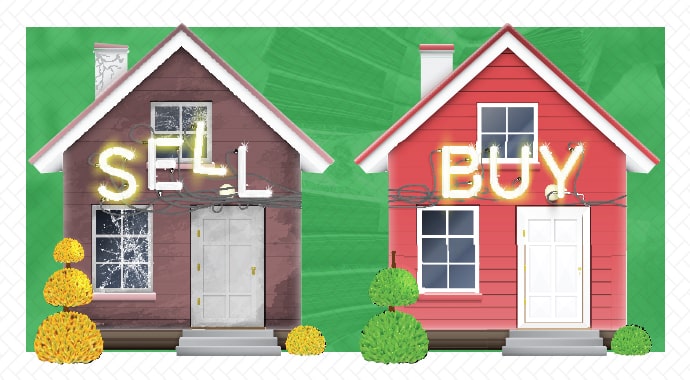
Our last sales method involves iBuyers in New Hampshire.
You’ve located a home you love, but you own a property, and it’s not even on the market.
iBuyers to the rescue! You can sell your home to an iBuyer, take that equity to purchase your new property, and then the iBuyer will close on your current house.
Speedy, no delay, and you have your new home without having to make an offer contingent on the sale of your house.
Contingencies have all kinds of downsides. You might lose your new house to a buyer who doesn’t have a home to sell before they can buy.
You may also end up paying more because you’re asking your seller to wait and risk that you can sell your current home.
Those are the four main ways to sell a house in the Granite State. Let’s turn our focus now on the actual sales process.
Home Sales Process in New Hampshire

We’ll now look exclusively at how to sell a home in New Hampshire, beginning with the listing and concluding with the seller walking away with funds from the transaction.
Before Signing a Purchase Contract
It helps to decide on your target buyer for your home since that will determine the amount of prep work you’ll need to do on your property.
Typical buyers from the general public are fans of turnkey listings, while investors and iBuyers purchase homes in as-is condition.
If you’re focused on the general public, you’ll need to set up a to-do list and start repairing, rehabbing, and replacing items before you walk anyone through your home.
You’ll then complete the various required home disclosures for the property and make copies to share with prospective buyers.
Our article, “Why Sell a New Hampshire House As Is” has more details about the state disclosure requirements.
Marketing the Property
Your marketing plan is also influenced by your target buyer.
Marketing to the general public might include property signs, print ads, virtual advertising and videos, home showings, open houses, and broker previews.
Marketing to investors isn’t needed — simply ask for an offer.
Accepting an Offer
When working as an FSBO, you’ll receive all offers. Your agent will be the go-between when you list with a real estate brokerage.
It may take several counter offers for you to reach a meeting of the minds with a buyer.
Your offers will be accompanied by an earnest money deposit that then will be transferred into an escrow account for the sale once you accept an offer.
Buyer Due Diligence Period
Your buyer will take the lead during the due diligence period. They have the legal right to hire home inspectors to look at your house.
They’ll contract for a title search to be done and take out insurance policies covering title and home hazards.
Your escrow and title officers will create the legal paperwork required to close the sale during this time.
Near the final closing, you and your buyer will review the closing costs associated with the sale.
You will pay closing fees and commissions, unless you sell to an investor or sell as an FSBO. In that case, you’ll avoid paying some or all of those costs.
A few days before closing, your buyer will do a walkthrough of the property.
Closing
You and your buyer sign the formal paperwork at the closing. You’ll need to locate a real estate attorney to oversee your final paperwork for the closing.
You’ll turn over your keys and any codes to equipment at the home.
The title for the house will be transferred to the new owner. The deed will then be filed with the county Register of Deeds.
That’s a wrap! Your home transaction has been closed.
Next Step
We’ve finished our review of the four approaches to selling a property in New Hampshire and the steps common to all the sales methods.
The next step is for you to start collecting names of real estate agents and home buying companies.
We can help with the investor search. It’s a breeze to request cash offers by using our website.
Our partnering investors have been prescreened and vetted for their expertise and professionalism.
There’s never any charge to you. It’s fast, simple, and it’s free. There’s nothing to lose in obtaining offers, and everything to gain should you find an offer you like.
And there’s never any obligation to sell.
