
Selling a Home As Is in New Hampshire (A-to-Z Guide)
Even though the information on this web page is provided by a qualified industry expert, it should not be considered as legal, tax, financial or investment advice. Since every individual’s situation is unique, a qualified professional should be consulted before making financial decisions.
This A-to-Z guide provides information for homeowners wanting to sell a New Hampshire house in ‘as is’ condition.
We’ll provide a definition of ‘as is sale’, detail the disclosure requirements, and outline what happens when you sell your house ‘as is’ in New Hampshire.
We’ll also highlight the advantages and disadvantages of three popular ways to list and sell your house.
Let’s start with the definition.
What Does It Mean to Sell a House As Is in New Hampshire?

An ‘as is’ property is a house listing where the seller intends the house to be sold without any repairs.
The buyer purchases the house as the buyer finds it on the day the purchase contract is signed.
The New Hampshire purchase contract states the seller and the seller’s real estate brokerage, if one is used, make no representations or warranties about the property condition or the value.
It’s the buyer’s responsibility to determine the condition and the value of the property.
While the Granite State doesn’t have a formal ‘as is’ condition clause, the purchase contract does allow sellers to list the house as an ‘as is’ listing.
Can You Sell a House As Is in New Hampshire?

Yes, you can sell a home ‘as is’ in New Hampshire.
The New Hampshire purchase contract states buyers should “seek information” from home inspectors and other professionals to determine the condition and value before making an offer.
How does selling a house ‘as is’ work in New Hampshire? The first step for the seller is to complete the property condition disclosure. Let’s review the details of that disclosure now.
What Do New Hampshire Real Estate Disclosure Laws Require?
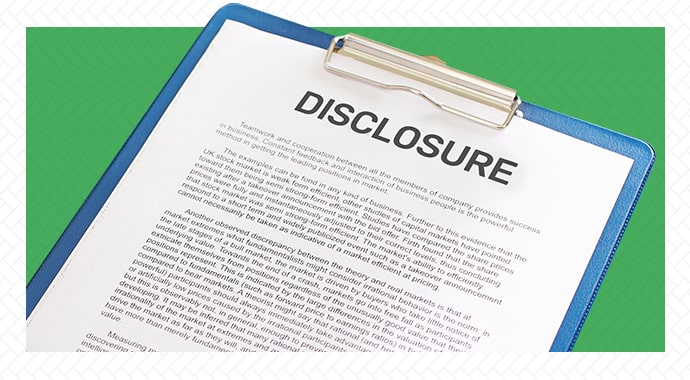
New Hampshire law requires sellers to make a written notification to buyers of radon, arsenic, and lead found in the listed property.
Homeowners selling a house with lead pipes or a home with lead paint need to disclose these risks to new owners.
Federal law also requires homeowners to file a federal lead paint disclosure for homes constructed before 1978.
Selling a home with radon also requires disclosure under New Hampshire law when tests have been done for the gas. The disclosure includes both air- and waterborne radon.
Selling a home with asbestos requires owners to identify the source of the asbestos for the buyer.
Owners selling a house with septic system failure, indoor mold, foundation issues, or unpermitted work must disclose these conditions.
Selling a house with fire damage or water damage also needs to be noted on the form.
Homeowners selling a house with termite damage, listed as pest infestation, is also a category on the disclosure. A bed bug infestation would be included under this disclosure requirement.
Selling a house in a flood zone needs to be disclosed.
The disclosure form asks the seller if the home is located in a Federally Designated Flood Zone, but other zoning issues also need to be disclosed by the seller.
Selling a house with polybutylene pipes or listing a haunted house doesn’t require any special disclosure.
You can leave stuff behind when you sell your New Hampshire house ‘as is’, but only if buyer and seller agree on specific terms under the “Possession” section of the purchase contract.
Should I Sell My House As Is in New Hampshire?

“Should you sell your New Hampshire house ‘as is’ or fix it up?” That question needs to be considered carefully.
Do you have the time to do the repairs yourself, or will you hire contractors to do the work? Either method requires purchasing repair materials.
Evaluating the pros and cons of selling ‘as is’ can help you decide to repair or list as a fixer.
Why sell a New Hampshire house ‘as is’? There are a number of reasons.
Pros of Selling Your House As Is
- ‘As is’ listings mean you won’t have to take time to do the repairs on your property. And you won’t need to spend time to locate contractors to do the repairs, if you chose to hire someone to take on the repair task.
- You’ll save time when you sell your property ‘as is’, particularly if you sell your property to a New Hampshire cash house buyer. Those transactions frequently close in a matter of weeks, sometimes less.
- Buyers frequently use a New Hampshire home inspector to make reports on properties. These reports motivate buyers to ask the seller to repair or replace items identified as defective. Many ‘as is’ buyers skip inspections, or they understand the nature of a fixer and won’t make a list of repairs they want done before the closing of escrow.
- Once an inspection report is done, the sellers must share that information with all prospective buyers. Eliminating reports is to the seller’s advantage, particularly with ‘as is’ properties.
- Many ‘as is’ buyers allow sellers to leave items behind in the house. This saves time, and can save the seller money.
You’ll need to also consider the downsides of selling as a fixer.
Cons of Selling Your House As Is
- You won’t receive turnkey property offers for your fixer. Buyers will incorporate the cost of repairs in their offers. Considering the estimated closing costs for sellers can help you decide to accept or decline an offer.
- Your pool of buyers will be limited with an ‘as is’ listing. Most buyers want to purchase turnkey properties that demand few initial repairs.
The next question we need to address is, “How do I go about selling my house ‘as is’ in New Hampshire?”
Let’s begin with selling to a cash real estate buyer in New Hampshire.
How to Sell a House As Is By Owner Without an Agent in New Hampshire
How to Sell a House As Is, Fast and For Cash Directly to an Investor
Who Are Cash House Buyers?
Cash house buyers purchase real estate as an investment. Investors have their own cash, pool cash with others, or finance real estate purchases by using private lenders.
This means investors skip the weeks of waiting that traditional mortgages offered by banks or savings and loans experience.
Cash house buyers buy investment properties in New Hampshire that need repair. These homes are then repaired or remodeled to resell to other buyers. This is known in the industry as “home flipping”.
Some real estate investors in New Hampshire focus on buying rentals. They purchase homes currently used as rentals, and also rundown houses that can be fixed and transformed into rental properties.
When you sell your home to a real estate investor, the transaction moves quickly to close. Some sellers find major advantages in a fast sale, including:
- homeowners selling a damaged house
- families selling a house while in probate
- couples involved in a divorce home sale
- empty nesters looking to move into a smaller house
- workers selling a house for job relocation
- owners selling a home to avoid a foreclosure auction
- property owners selling a house with a tax lien
Investors typically work with local New Hampshire investor-friendly title companies with a history of closing cash sales.
Pros of Selling Your House As Is Directly to an Investor
- Dealing with a cash home buyer generally means a speedy sale, sometimes in just a week.
- Cash buyers typically skip professional property inspections. Cash also means there isn’t an appraisal or the down time waiting for the buyer and property to qualify for a mortgage.
- You’ll be off the hook for commission fees if you work without an agent (which is normal when selling to a cash buyer). That’s 2.5-3% of the sales price, a significant cost savings for sellers.
- Investors cover their own closing costs and typically the closing costs for sellers. That’s another major savings for sellers.
Cons of Selling Your House As Is Directly to an Investor
- Investors won’t pay market value for your house. They’ll deduct the cost of repairs or remodeling your house from their offers. They’ll also count in a discount that would allow them to make profit on the resale.
- You’ll miss out on the professional assistance of a professional agent. You’ll need to protect your own interests in the transaction. If you vet your investor carefully, however, the transaction should move smoothly because investors don’t stay in business long if they don’t operate ethically.
Finding the Best Cash House Buying Company
Locating investors is easy. Search online by using the following terms to find local investors. Replace Concord with your city.
If you live in a rural area in New Hampshire, use the largest town near your property for your search for local investors.
- we buy houses Concord NH
- sell my house fast Concord NH
- cash house buyers Concord NH
- sell my house for cash Concord NH
- iBuyer companies Concord NH
Once you’ve located a group of local investors, it’s time to vet them.
How to Choose an Ethical Investor?
Start the vetting process by investigating the principals. What are the investors’ qualifications?
Use the company’s website to locate the “About Us” page. Look for the names and experience of the investors.
If the website doesn’t have any identifying information, it’s time to locate other potential investors.
Research the company and the principals on the local branch of the Better Business Bureau (BBB) website. The BBB handles consumer complaints for both members and non-members.
Review online consumer websites for complaints about your prospective investors.
If you’re seeing a number of valid complaints on the BBB site or the consumer review websites, it’s time to look at other names on your list of potential investors.
If this sounds too time-consuming, you can request cash offers by submitting one online request with just a few clicks on HouseCashin. That one request will bring offers from up to five investors.
HouseCashin pre-screens partner companies and refers your request to vetted investors for you.
There’s no fee for this service, and you’re under no obligation to accept any offers. Request your cash offers now.
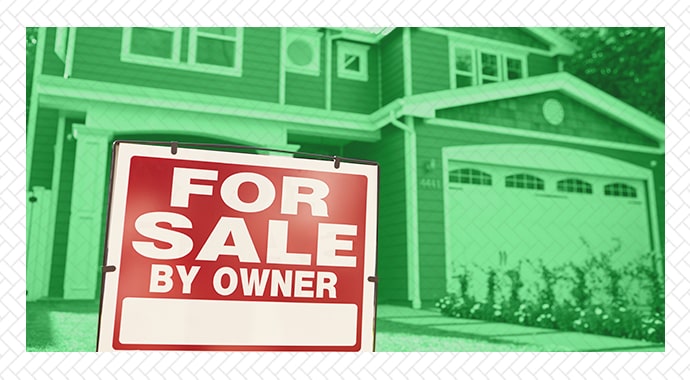
The next selling option is to advertise your house to non-investors and without using a real estate agent. This is known in the industry as a “for sale by owner” or “FSBO” listing.
How to Sell a House As Is by Listing It by Owner
Selling a home in New Hampshire through FSBO puts you in charge of the entire process, from pricing to paperwork.
A great starting point is using a home value calculator to get an estimate of your property’s worth.
This tool helps you set a competitive price that appeals to buyers and ensures you’re not leaving money on the table.
Once you’ve got that figured out, it’s all about marketing your home. The more eyes on your listing, the greater chance you’ll sell your property.
There are a number of options for listing an FSBO.
Where Can You List a House For Sale by Owner?
For sale by owner sites offer a free, or low cost, way to put your listing in front of a large pool of potential buyers.
Create a professional-looking video to post online. Share a link to it in your online listings. This allows viewers to take a preliminary tour of your house.
If you don’t have the skill to do this, you can hire a professional to create a tour video suitable for posting online.
Another easy way to let prospective buyers know about your listing is to place a sign on the property. This works well if you have a lot of foot or vehicle traffic by your property.
Pros of Selling Your House by Listing It by Owner
- You’ll avoid paying a real estate agent commission. At 2.5-3% of the sale price, that’s a significant advantage.
- You can set the calendar for your listing and sale. You are in charge of all the details of your listing and transaction.
- Your property will have your entire attention. Agents work with a number of clients, but your house is your only focus.
Cons of Selling Your House by Listing It by Owner
- You’ll still have to deal with buyers who need a mortgage to purchase your house. This can add weeks to the closing time.
- You’re on your own without any assistance from a professional Realtor. This can add delays to the closing when you need to research your next steps in the transaction.
- You may make a mistake that has your buyer walk away from the sale. If your mistake is major, you may even end up involved in a lawsuit when a buyer sues. Reviewing the FSBO closing costs can help you avoid some mistakes.
How to Sell a House As Is in New Hampshire with an Agent

Who Are Real Estate Agents?
A real estate agent is your representative during the sale of your home.
Your agent is your fiduciary who assists you in listing, marketing, negotiating a purchase contract, and guiding the sale through the closing of escrow.
Agents using the title “Realtor” are members of the New Hampshire Association of Realtors (NHAR), a state branch of the National Association of Realtors (NAR).
The NAR is a professional trade association that promotes ethical practices in the real estate industry.
Agents are licensed after completing the state-required education and testing. They must work under the supervision of a licensed broker.
There are advantages to having a licensed agent represent you in your sale.
Pros of Selling Your House As Is with a Real Estate Agent
- Agents have access to a database of prior sales in your neighborhood. These are known as comparative sales, or “comps”. Comparative sales help you set a price for your property that will attract buyers and that will not be too low.
- Your agent has the education, training, and experience to represent your fiduciary interests in a transaction. They put your interests above all others in the transaction.
Everything isn’t an advantage when working with an agent. There are some drawbacks.
Cons of Selling Your House As Is with a Real Estate Agent
- Agents earn a commission for representing you. The average commission, for both buyers and sellers combined, ranges between 5-6% of the sales price. The average Realtor cost to sell a home is the most significant portion of your closing costs in New Hampshire.
- You’ll be one of a number of clients your agent works with during the week. Fixers don’t have the largest buyer pool, so you may be put on a back burner while your agent favors turnkey property listings.
- Realtors typically represent buyers who need a mortgage to purchase a property. This means waiting for a buyer to qualify for a loan, an appraiser to evaluate your house, and then waiting for a loan underwriter to approve a loan.
How to Choose an Ethical Real Estate Agent?
New Hampshire has a selection of real estate agents who can list and sell your ‘as is’ property. Look for agents with a minimum of three years experience listing and selling fixers.
Start your vetting by making sure your prospective real estate professional has an active license to work in New Hampshire.
The Granite State Office of Professional Licensure and Certification has an online license lookup that can confirm this information.
Realtors take an oath to follow a code of ethics in transactions. Those who fail to do this may be involved with the New Hampshire Association of Realtors Ombuds applying sanctions to them.
See if any of your prospective Realtors have or have had complaints filed with the state ombuds.
The local association of the New Hampshire Association of Realtors also hears complaints filed against Realtors.
Check with the board to see if any of your prospective agents have been reprimanded by the association.
Note the real estate listings in your neighborhood. These agents have experience marketing homes in your area, and one of them may be the perfect agent to represent your house.
Experienced Realtors have portfolios that show their experience and demonstrate their ability to market and sell properties. Interview three experienced agents at your property.
Ask them for a written marketing plan and a list of referrals with contact information. Call several of the references to discuss the reasons for their recommendations.
