
4 Best Ways for Selling a Home in Minnesota
Even though the information on this web page is provided by a qualified industry expert, it should not be considered as legal, tax, financial or investment advice. Since every individual’s situation is unique, a qualified professional should be consulted before making financial decisions.
Homeowners have a variety of approaches to selling a property in Minnesota. This article details four of those ways and the advantages and disadvantages for using each one.
Once we’ve toured the quartet of sales methods, we’ll track a typical North Star State home sale, from the listing through the final close of the transaction.
Let’s begin our tour with the selling method that uses cash and can close quickly — the private sale.
#1 How to Sell a House in Minnesota Privately

When you want to sell a property in Minnesota quickly and without major stress, the private sale might be your best avenue.
What does a private sale offer compared to a traditional sale via a real estate agent?
The first thing is speed. All-cash sales skip the delay of a buyer searching for a lender, applying for a loan, and then the nitpicking that happens in order for the buyer to qualify for that loan.
Your house won’t be under the microscope for detailed home inspections, appraisal reports that may or may not match with the sales price, and the additional delay that happens during those evaluations.
Sounds good so far, but there’s an additional advantage to all-cash and speed.
You won’t have your nosy neighbors and the general public rummaging through your home to intrude into your personal space and look at the way you’ve decorated your house.
It just keeps getting better, doesn’t it?
So the next questions are, “Who are these buyers and how do I find out what they have to offer?” The next segment answers those questions!
What Are Home Buying Companies?
The answer to this question is simple. Home buying companies are investors who buy real estate.
It might be a single investor or a group that pools cash to invest in a property. They might even be a hedge fund that invests in residential real estate.
All professional home buyers have something in common — they bring cash, either their own funds or hard money loans.
Every investor has a business plan that may be different from others. Some Minnesota cash investors focus on buying rental homes to keep leasing them.
Other property investors in Minnesota purchase damaged houses exclusively. They convert them into rentals, or they may resell them.
Some cash buyers even look for Minnesota real estate investment opportunities among homes needing major repairs, such as structurally damaged houses.
There is an investor for any type of property — single-family, condos, vacation property, manufactured and mobile homes, and even vacant land.
Selling a home to an investor has some major benefits for homeowners, particularly those:
- selling a house before it goes into foreclosure
- selling a house with tenants
- selling a house before bankruptcy
- selling a house in poor condition
- inheriting a house and then selling it
- selling a house with back taxes owed
- selling a hoarder house
- selling to downsize
- selling a house before or after divorce
- selling a house for a job relocation
- wondering how to sell a property privately
Investor-friendly title companies in Minnesota offer specialized services suitable for private sales, so you may end up working with one of these local firms when you sell to a cash buyer.
Pros of Selling to a Home Buying Company
- You sell your house for cash in an investor sale. Cash means a quick sale, as opposed to the delay required with home mortgages.
- Cash house buyers in Minnesota have funds to buy immediately. There’s no risk that your buyer will make you wait for weeks and then not qualify for a mortgage.
- There’s no need to prep your home for a real estate investor sale. Many cash home buyers specifically look for homes in as-is condition to purchase and then repair.
- You’ll save the commission fees on your side of the sale. You’ll save paying commissions on both sides when your buyer also skips using a real estate agent.
- You won’t pay real estate closing costs for sellers. Investors typically pay both their fees and the buyer’s closing costs.
Cons of Selling to a Home Buying Company
- Real estate cash buyers in Minnesota typically don’t pay market value for homes.
There’s a reason for the pricing. Investors must make some profit to stay in business. They also factor in your closing costs that they are paying for you, as well as the cost of needed repairs.
There’s also a question that homeowners need to consider: What will you walk away with after closing the transaction?
When selling through a real estate agent, the sales price is not the net — the walk-away price. Homeowners will need to deduct agent commissions and closing costs from that sales figure.
On the contrary, the price listed on the sales contract is exactly what goes into the homeowner’s pocket when the transaction is finalized in an investor sale.
So, make sure to compare an investor’s offer to the net proceeds from a prospective agent-assisted sale and not to the amount a Realtor says they can sell your house for.
Our next segment guides you through finding an investor and vetting them for their experience and professionalism.
How to Find an Ethical Home Buying Company
You’ll need to collect a list of prospective investors in your area to do your vetting.
Copy names from print and online ads and ”yellow letters” or postcards you may have received from investors offering you to buy your house.
Add prospects from an online search for local cash home buyers. Write “we buy houses (your city)” or “cash for homes (your city)” in Google.
Once you have a number of potential investors, examine the websites of each to discover their experience and training.
Focus on investors with a minimum of three years in the profession and those with a list of memberships in community and professional organizations.
Skim online consumer feedback websites to discover any negative comments about any of the investors on your list.
Real Estate Bees, the Better Business Bureau (BBB), and Yelp are good places to begin that search.
Some investors may hold a limited broker’s license, and you can confirm that license is active and doesn’t have any restrictions by using the Minnesota Commerce Department License Lookup Directory.
The vetting process is time-consuming, but there’s an alternative that can save you hours of research.
Request a cash offer on your house by using the short form on our website, and we’ll match you with our partnering investors in your area.
We’ve screened our investors for their experience and professionalism and vetted them to ensure they have a long list of satisfied sellers.
There’s no fee to you, and there’s no obligation to sell to any of the investors who make offers.
#2 How to Sell a House in Minnesota Traditionally

Our second entry on the list of sales options is the traditional sale. These transactions use a licensed real estate agent.
Who Are Real Estate Agents?
A real estate agent is a licensed professional who is your fiduciary during a home sale. They represent you and put your needs and wishes first above all others in the transaction.
Agents will list and market your house, field offers, help you negotiate for the best sales price, oversee contracts and the due diligence activities, and finally, oversee the property closing.
Agents who hold the title of Realtor are members of the professional trade group — the Minnesota Realtors — and they take an oath of ethics to represent clients at the highest professional level.
Your agent holds a license issued by the state and works under the supervision of a broker who oversees the activities of the agent and the office to ensure federal and state laws are followed.
Evaluating the advantages and comparing them with the disadvantages of using an agent can help you decide whether to hire an agent or select another method to sell your home.
Pros of Using a Real Estate Agent
- Licensed agents have experience in selling a house in Minnesota. They can quickly handle any issues that arise during the transaction. They are trained in real estate law.
- Realtors have access to the Multiple Listing Service (MLS). That proprietary tool offers a wealth of real estate information to assist you in pricing and evaluating offers.
- Your agent is your legal fiduciary. They take your place in selling your home so you can continue with the normal activities of living.
Cons of Using a Real Estate Agent
- The commission fees are a major alarm for many homeowners when looking at the cost of selling a house with a Realtor. Minnesota brokerages charge almost 6% of the final home price for their services.
- Your home could languish on the market for weeks, sometimes months, if you’re selling your home in as-is condition. Your agent will continue to market your home to the public with open houses and showings during that time.
- Most home shoppers brought by agents need a mortgage to buy your house. That translates into weeks of delay waiting on lenders.
The key to a smooth sales transaction is selecting a qualified and experienced real estate agent.
How to Find a Good Real Estate Agent
Ask your family, friends, coworkers, and neighbors for the names of quality agents they’ve used in the past.
Look for agents who have at least three years of experience selling real estate, and those with knowledge of your neighborhood.
Skim the local consumer sites such as Yelp and Real Estate Bees for any comments about the agents on your list.
Confirm your agents have an active license to represent you and skim the online complaints at the local branch of the Better Business Bureau (BBB) for any complaints or court actions against the agents on your list.
The Minnesota Commerce Department hosts an online License Lookup Directory that can assist you in this search.
Narrow your list down to three or four and invite those agents to do a listing presentation at your home. Ask that a marketing proposal for your specific property be part of that meeting.
Select an agent from the group or continue your interviews until you locate an agent you feel comfortable working with.
Our next sale method has the homeowner take charge of everything involved in the property listing and sale.
#3 How to Sell a House in Minnesota Without Middlemen
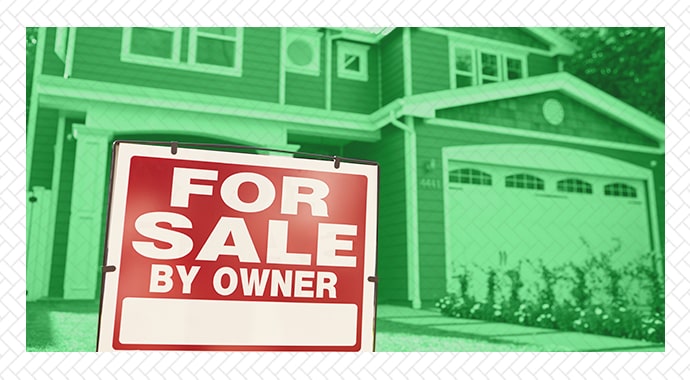
Selling your home yourself is known as FSBO — for sale by owner. This real estate sales method requires the homeowner to take on all of the aspects of the sales transaction.
A FSBO listing requires the homeowner to focus on several things before inviting prospective buyers to the property.
The first is to determine the targeted buyer. Will it be the general public or cash investors? The focus will determine the scope of the homeowner’s prep activities.
The second action is to complete the state-mandated disclosures. The property disclosure itemizes the home’s material defects and any health or safety risks.
This form must be given to all prospective buyers before a sale can be finalized.
You will need to set a sales price. You can use an online real estate calculator to determine home value to help set your asking price — and your bottom price during a sales negotiation.
Once you’ve done those things, it’s time to develop a marketing plan for your home.
That might include signage, online and print advertising, open houses, snail-mail announcements, and a specific plan to attract buyers to your property.
The last part of the plan is the most difficult for most FSBO listers. We have a few suggestions to attract eyes on your property.
Ways to Market Your House Yourself
- “For sale” signs attract attention, but you may need approval from the city or homeowners association to post one on your property. When making a sign, be sure to list several ways potential buyers can contact you for a showing.
- Video tours of your house are a good way to show the amenities you offer and entice buyers to take a look at your listing.
- Flyers itemizing your home’s features are another effective way to advertise. Distribute these to prospective buyers when they tour your property.
- Advertising, both print and virtual, can also call attention to your home offering. Many FSBO websites are free for homeowners.
Pros of Marketing Your House Yourself
- You’ll avoid the commission fees on your side of the sale. This is the biggest line item on your Minnesota closing costs. And when your buyer doesn’t use an agent, you’ll skip all commission fees!
- You call all the shots on the listing and sale. You are in charge of everything.
- As an FSBO seller, you have only one focus — your house. Unlike real estate agents who must divide their time among other clients, you can spend all of your time marketing your home.
Cons of Marketing Your House Yourself
- You may run into complex problems during the sale that require extensive knowledge of real estate law and legal sales practices. They will be hard to resolve without a professional.
- If you have any delays or other problems, your buyer may walk away from the sale. If a prospective buyer is really angry, you may end up in court — even when your error was unintentional.
- Some FSBO closing costs can be negotiated. If you aren’t aware of those options, you may miss out on some savings.
- You may also make an error in determining your home’s market value. This could mean overpricing and failing to find a buyer, or underpricing and losing out on a higher sales price. In fact, you can get even less money than if you paid a Realtor to handle everything.
Our last sales method is quick, and it’s quite common.
#4 How to Sell and Buy a House at the Same Time in Minnesota
You’ve found a home to buy, but you have a house — and it’s not yet listed for sale. That’s not a problem. You can sell quickly to iBuyers in Minnesota.
The iBuyer will write a contract on your home, and you can take that cash equity to purchase your new property. Once that sale is finalized, the iBuyer will close the transaction on your current house.
The all-cash sale will move quickly so you won’t lose your new home. You also will avoid having to present a contract that asks the seller to wait for you to find a buyer for your current home.
Sellers aren’t huge fans of contingency offers. If they do agree, you might lose out to a home buyer who doesn’t have anything to sell and can close quickly on the property you want.
Home Sales Process in Minnesota

Those are the most common approaches to selling your home in the North Star State. Our next segment walks you through the sales transaction process one step at a time.
Before Signing a Purchase Contract
The time before any sales contracts are offered might be a busy time for the homeowner, but the amount of work depends on the sales method the property owner has decided to use.
Selling to the general public requires making your home as close to move-in ready as you can. Most buyers look for turnkey properties.
Your prep might include painting, landscaping, and replacing things like flooring or appliances. It could also mean major repairs such as replacing a roof or remodeling a bathroom.
If you’re selling to an iBuyer or an investor, you won’t need to do any preparations. Simply contact the investor and ask for an offer.
Other pre-showing preparations include completing the required disclosures and locating the materials to complete the federal lead paint declaration.
You can learn more about the disclosure requirements in our online article, “How to Sell Your Home As Is in Minnesota.”
You’ll then need to set an asking price for your home and sign listing contracts when you elect to use a brokerage in the sale.
Marketing the Property
You, or your agent, will then develop a marketing plan to attract buyers. Agents may hold broker’s previews, open houses, or online virtual tours.
Selling to an iBuyer or an investor doesn’t require any marketing. You’ll need to request an offer and then show the property to receive an offer.
Accepting an Offer
The homeowner receives offers directly when selling as an FSBO or to an investor. All offers go through the real estate agent when you’ve listed your home with a brokerage.
The offers will be accompanied by an earnest money deposit that will then be placed into an escrow account once you accept an offer.
While state law doesn’t require you to use a real estate attorney, you can hire one to supervise the sales transaction.
Buyer Due Diligence Period
Your buyer has the lion’s share of the duties during the due diligence period, but sellers also have some responsibilities during this time.
Buyers will order home inspections, shop for a mortgage and complete the applications, and arrange for various types of insurance, including hazard and title.
A title search will be ordered, and the escrow officer will draw up the legal paperwork required by the sales contract. They’ll also manage the transfer of funds for the sale.
Several days prior to the closing, your buyer will take a final walkthrough the property. Sellers must facilitate the inspections and the walk through.
Both buyer and seller will review the closing costs for the sale. You’ll note commissions and closing cost fees on your paperwork when using an agent or selling FSBO.
Homeowners selling to investors won’t pay commissions and typically don’t pay closing costs. These won’t appear on the final settlement fees when selling to a professional cash buyer.
Closing
The final step in the sales transaction is collecting signatures and transferring the keys and the title of the property to the new owner.
If you’ve hired a real estate attorney, they’ll supervise the closing process.
That’s a quick summary of a Minnesota home sale.
Next Step

We’ve covered how to sell a home in Minnesota by using four different methods and stepped through the sales process. It’s now time to take the next steps to getting your home sold.
Request cash offers for your home by using our simple online form to save yourself hours of time involved in screening and vetting.
There’s never an obligation to sell, and there’s no cost to you for anything.
Free, easy, and fast! The perfect trifecta for a home sale.
