
Selling a Home As Is in Minnesota (A-to-Z Guide)
Even though the information on this web page is provided by a qualified industry expert, it should not be considered as legal, tax, financial or investment advice. Since every individual’s situation is unique, a qualified professional should be consulted before making financial decisions.
This guide will explore the ways to sell a Minnesota house in ‘as is’ condition.
We’ll define what this means, detail the property disclosure requirements, and then offer the ways you can list your house in the North Star State.
Before we get into the details of what happens when you sell your house ‘as is’ in Minnesota, let’s see what ‘as is’ really means.
What Does It Mean to Sell a House As Is in Minnesota?

‘As is’ condition means the seller offers the property as the buyer sees it at the time of the offer. The seller does not intend to repair, replace, or rehab anything in a house offered ‘as is’.
This term does not imply that the owner doesn’t have to disclose known issues with the property.
Can You Sell a House As Is in Minnesota?

Yes, you can sell a home ‘as is’ in Minnesota. If both buyer and seller agree, they can waive the required property disclosure and pass on any home inspections. Both buyer and seller must sign the agreement to do this.
Sellers can elect to allow buyers to hire professional inspectors to examine the property and submit property reports. The buyers must pay for the inspections.
Sellers can deny buyers access to the house for inspections, but some localities require inspection of some residential systems and a report of the conditions at the property.
The standard Minnesota property disclosure used by Realtors has a section that allows the seller to formally dispute anything found on home inspection reports.
Before we answer the question, “How does selling a house ‘as is’ work in Minnesota?” we’ll detail the Minnesota property disclosures.
What Do Minnesota Real Estate Disclosure Laws Require?
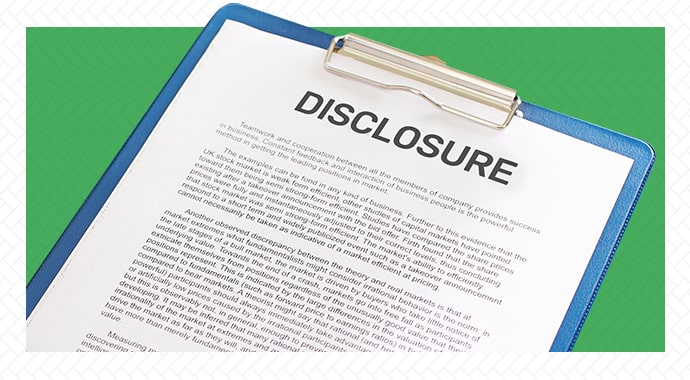
Minnesota’s General Property Statutes require sellers to disclose any known home defects and make the written report in good faith.
The standard purchase contract used by Realtors in Minnesota doesn’t include an ‘as is’ condition clause.
Sellers can use the standard form utilized by Realtors (when using a Realtor) or an alternative form as a property disclosure. All disclosure statements must be in writing and signed by both the seller and buyer.
The Minnesota Association of Realtors’ seller’s property disclosure incorporates a blank page where the seller can disclose any material facts that “could adversely and significantly affect an ordinary buyer’s use and enjoyment of the property”.
The agent and broker disclosure requirements mandate licensed real estate professionals disclose any material facts they also know about the house.
The optional supplemental section on the Realtor-endorsed form asks specific questions about property buildings, land, and improvements. Sellers are not required to complete this section.
Minnesota homeowners selling a home with asbestos have the option of noting that and also any inspections done for the condition. Reports should be attached to the disclosure.
The existence of radon has a separate mandatory disclosure under the M.S.B.A. Real Property Form No. 24.
Selling a house with mold, mildew, foundation issues, lead pipes, fire damage, septic system failure, moisture, or water damage can be explained in the optional section of the disclosure.
The optional section also asks the seller to disclose alterations to the house but doesn’t make a delineation between permitted and unpermitted work.
Selling a house with polybutylene pipes, a haunted house, bed bugs, termite damage, and the location of a house in a flood zone can all be disclosed on the blank page of the disclosure.
Selling a house built before 1978 requires sellers to complete a federal lead paint disclosure. That disclosure informs buyers of the risks of lead paint.
You can leave stuff behind when you sell your Minnesota house ‘as is’, but the purchase contract language should itemize things and state that the items are being left without any fee to the buyer.
That language should also say your stuff is free and clear of all encumbrances and liens. The buyer must agree to accept the items you’re leaving.
Should I Sell My House As Is in Minnesota?

“Should you sell your Minnesota house ‘as is’ or fix it up?” Only the seller can answer this question.
Do you have the time and skills to do the repairs yourself? Do you have access and the cash to pay a contractor to do the repairs?
Or, do you want to simply sell your house ‘as is’ without all the hassle of wrangling repair people and the cost?
Let’s review the advantages and disadvantages of each option to help you make a decision.
Why sell a Minnesota house ‘as is’? Let’s start with the advantages.
Pros of Selling Your House As Is
- You must locate qualified repair people and supervise their work if you decide to do home repairs. You’ll also have to pay for the materials and labor for any repairs. You’ll skip all of this when you sell your house as an ‘as is’ listing.
- You won’t have to wait for the repairs to be completed. You can sell your house quickly ‘as is’, particularly to a Minnesota cash house buyer who can move even faster by eliminating the traditional wait for a mortgage loan approval.
- You won’t have to argue and negotiate about defects found by a Minnesota home inspector when you sell as a fixer. Most ‘as is’ buyers understand the home needs work and won’t make nitpicky and annoying requests.
- You can use legal language on the purchase contract to leave your stuff behind with many ‘as is’ buyers. This can also save sellers time and money.
Cons of Selling Your House As Is
- You can’t sell your fixer-upper at as high of a price as you could set if the property was in good condition. ‘As is’ buyers will discount the fixer market price by the amount it costs to repair the house, which includes not only the cost of materials but also the cost of work. Add this discount to the estimated closing costs for sellers, and you’ll probably think it’s a serious amount to lose.
- Your buyers’ pool will be limited with a fixer. Most buyers want a turnkey property, and not purchase a house that needs repairs.
“How do I go about selling my house ‘as is’ in Minnesota?” We’ll introduce the most effective methods in the rest of this guide.
Let’s start with discussing selling your home to a cash real estate buyer in Minnesota.
How to Sell a House As Is By Owner Without an Agent in Minnesota
How to Sell a House As Is, Fast and For Cash Directly to an Investor
Who Are Cash House Buyers?
Cash house buyers are property investors. Some operate independently, while others pool cash and operate as a firm.
Cash buyers have personal cash or they finance purchases by using private lenders. Private lenders don’t have the mortgage delays, unlike loans from banks and other traditional lenders.
Cash house buyers buy investment homes in Minnesota that need work. Investors purchase these properties, repair damage, and resell them to other buyers. This is known as “flipping”.
Other real estate investors in Minnesota focus on buying rental properties. This group of cash house buyers looks for homes currently being rented, or they’ll buy a rundown house, repair it, and convert it to a rental property.
When you sell your house to an investor, it’s typically a speedy sale. Cash investors assist homeowners who want to move quickly to close, including:
- families selling a house while in probate
- homeowners selling a house that needs work
- couples selling a home during divorce
- seniors looking to downsize
- workers selling a house for job relocation
- homeowners selling a home before a foreclosure real estate auction
- property owners selling a house when owing back taxes
Cash home buyers typically work with local Minnesota investor-friendly title companies with experience in handling cash sales.
There are a number of advantages in selling to an investor.
Pros of Selling Your House As Is Directly to an Investor
- A company that buys houses provides a quick sale. Sometimes property sales can close in a week, sometimes in a matter of days.
- Most times, you’ll skip the traditional sales steps, including home inspections, appraisals, and waiting for mortgage loan approvals. This not only saves time by eliminating the appointments, but also the hassle of handling repair requests and the challenge of matching the sales price with the appraisal price.
- Investors buy houses without realtors involved so that you can save a significant amount of money in real estate agent commissions. That’s a major advantage in Minnesota where commissions are high.
- Investors typically pay their closing costs and also pay the seller’s closing fees.
Cons of Selling Your House As Is Directly to an Investor
- Investors aim to buy houses cheap so that they can profit when reselling them.
- Most often, people sell to investors to avoid agent commissions. If you do so, you won’t have a real estate agent to protect your best interests. And if you hire an agent, this transaction will get too expensive: add their fee to the discount you are making for an investor.
Finding the Best Cash House Buying Company
Locating a cash house buying company is as easy as using the internet. Use these basic search terms to find local investors who are interested in purchasing properties in your area.
Substitute the largest metro center near your house. If you live in a rural area, use the closest city as one of your search terms.
- we buy houses Duluth MN
- sell my house fast Duluth MN
- cash house buyers Duluth MN
- sell my house for cash Duluth MN
- iBuyer companies Duluth MN
Look for investors with at least three years of experience in the field. Screen your prospects even further by locating the “About Us” page on the investor’s or investment firm’s website.
Note the background information and the experience of the investor or the firm’s principals. If that isn’t posted on the website, you want to continue your search.
Professional investors make this information public. Scratch any without identification off your list of prospects.
Once you have a few potential investors on your list, it’s time to vet them.
How to Choose an Ethical Investor?
Check with the Consumer Action Division (“CAD”) Team, part of the Minnesota Attorney General’s Office, to see if any complaints have been filed against your prospective investors.
Request references from your prospects and a list of closed transactions to verify the investor’s experience and track record of successful transaction closings.
Research the investor by using the local branch of the Minnesota Better Business Bureau (BBB) website.
Browse consumer complaints and review websites to see if any investors on your list are mentioned there. If you’re finding complaints, it’s time to scratch more names from your prospect list.
If you don’t have time or the energy for all of this research, there’s an easier way to locate multiple investors who are interested in your house.
With one request, you can receive cash offers from up to five cash buyers simply by submitting an online request on HouseCashin.
HouseCashin pre-screens its partner investors and forwards your request with a few simple clicks. Request your cash offers now and compare them.
Let’s explore the next listing option — listing and marketing your home yourself.
How to Sell a House As Is by Listing It by Owner
Selling your home as a “for sale by owner” (without an agent) to a non-investor allows you to control all facets of the listing and sale. “For sale by owner” is known as FSBO in the real estate industry.
When selling a home on your own, it’s essential to find out how much your house is worth before setting an asking price.
But how do you find the best buyers for your FSBO listing? Let’s check out some options.
Where Can You List a House For Sale by Owner?
A sign on the property is the easiest way to market your house. Unless your house is located on a busy street, however, you might not have the exposure you need to find a buyer.
Placing your property on websites to advertise for sale by owner is another way to spread the word about your listing. Posting on these sites is most often free.
Sharing flyers with your neighbors is another way to attract prospective buyers. Some neighbors may have family or friends who would love to live nearby.
Pros of Selling Your House by Listing It by Owner
- Minnesota real estate commissions can cost sellers up to 4% of the sales price. You’ll avoid your agent commission fees when you sell your house yourself.
- You are in charge of all aspects of the sale, from the listing through closing. You can oversee the time of the closing and all the details involved in contract negotiations.
- Your FSBO is your only listing. You can spend all of your time and efforts on marketing the property. Real estate agents typically have a number of clients they must work with during the week. You have only your listing to promote.
Cons of Selling Your House by Listing It by Owner
- Most buyers require a mortgage to purchase your property. This means weeks of waiting for the buyer to apply for a loan, the appraisal to take place, and then the underwriter to give the OK to fund the loan.
- When you list as an FSBO, you don’t have a professional fiduciary to guide the sale. This is particularly challenging with a fixer during the home appraisal. You, as the listing party, typically must present comparable sales to justify the price your buyer will be paying for your house.
- Working as your own agent can mean delays as you research what legal actions you must do in specific situations. If you make a mistake, it might cause delays. If you make a major error, you may end up in court, even when the mistake was unintentional. It helps to have mastery of the closing costs when selling a home by owner to avoid some common mistakes.
The last sales option for how to sell a house in Minnesota is to list with a real estate agent. Let’s explore who agents are and what they offer homeowners.
How to Sell a House As Is in Minnesota with an Agent

Who Are Real Estate Agents?
A real estate agent is your fiduciary. That means they represent you in a real estate transaction, and always put your interests first.
A seller’s agent assists the homeowner in listing, marketing, negotiating contracts, and guiding the homeowner through the sales process.
Minnesota agents must take coursework, pass exams, and qualify for a license to operate in the North Star State.
Agents work under the supervision of a licensed broker who has also taken coursework and passed exams to work as a brokerage owner.
An agent who uses the title “Realtor” is a member of Minnesota Realtors, a branch of the professional trade association the National Association of Realtors (NAR).
Members of the NAR and its branches take an oath to operate ethically in all aspects of assisting people in real estate transactions.
Pros of Selling Your House As Is with a Real Estate Agent
- Members of the Minnesota Association of Realtors have access to comparable sales in your neighborhood, known as “comps”. This information assists you in setting an aggressive price for your property.
- A licensed real estate agent has the education, training, and experience to guide you through the sales process to avoid delays and mistakes that could cost you money.
Cons of Selling Your House As Is with a Real Estate Agent
- Minnesota real estate commissions can run up to 7% of the sale price in some areas of the state. Although commission costs are negotiable, sellers typically pay half of that amount. The cost of selling a home with a Realtor is the largest part of the closing costs in Minnesota.
- Selling a fixer is problematic for a real estate agent. Since ‘as is’ properties have the least amount of interest from buyers, your agent may favor other clients with turnkey properties that are easy to market — and to sell.
- Real estate agents typically work with buyers who need mortgage loans. These take weeks for the buyer and property to qualify, and for the underwriter to fund the loan.
How to Choose an Ethical Real Estate Agent?
Minnesota has a large number of real estate agents. It’s important to select one that you can work with, and one that operates ethically.
Ask family and your neighbors for recommendations. Filter those referrals for agents who have sold property in your neighborhood and have experience listing and marketing ‘as is’ properties.
Vet your real estate agent prospects by confirming the agent has a valid Minnesota license. You can do this by using the online “License Lookup Directory” on the Minnesota Department of Commerce website.
If the agent uses the title of ‘Realtor’, check with the local association of Minnesota Realtors. That association has 15 local associations that supervise members throughout the state.
The associations handle local issues, including disciplinary actions taken against members. Check the local associations for any complaints filed against your list of prospective agents.
