
4 Best Ways for Selling a Home in Hawaii
Even though the information on this web page is provided by a qualified industry expert, it should not be considered as legal, tax, financial or investment advice. Since every individual’s situation is unique, a qualified professional should be consulted before making financial decisions.
There are four common ways to sell your home in the Aloha State, and this article details the options with the pros and cons for each approach.
It then outlines the steps common to all Hawaiian real estate transactions.
Our first stop on the sales tour is the private property transaction.
#1 How to Sell a House in Hawaii Privately

Homeowners looking for a speedy transaction, which can be done with an all-cash payment, will be fans of our first sales method.
The private sale is fast, is done without involving mortgage lenders, and there’s an extra bonus of personal privacy.
The traditional approach for an owner wanting to sell a property in Hawaii is to plant a sign in the yard, advertise widely, post images of the home on the internet, and then hold open houses to invite their neighbors and every looky-loo in the area to take a tour of your home.
A private sale avoids all of that. Let’s now detail who is involved in it and what happens in a private sale.
What Are Home Buying Companies?
The quick answer to that question is home buying companies are investors. They buy investment properties in Hawaii with cash so they can close the transaction quickly.
Hawaiian property investors’ business models include buying a home for rental income or repairing and then reselling it to others.
They’re looking for single-family, mobile, multifamily, manufactured, attached, and detached homes.
They’ll buy property in pristine turnkey condition or an absolute beater that needs work — and every condition in between.
The key advantage to homeowners is they can move quickly because they bring their own cash or have cash from hard money lenders. This type of loan doesn’t have all the delay associated with traditional lending.
You won’t need to wait for your buyer to be approved for a loan. There are no risky appraisals where you hope your numbers will match the sales price.
And there’s no underwriting where someone in a remote office unfamiliar with your property or the neighborhood has the authority to approve or decline the loan application.
All homeowners like the idea of a quick transaction to put money in their pocket, but some property owners can benefit greatly with a fast sale, including:
- property owners selling a house to avoid foreclosure
- landlords selling a home with sitting tenants
- homeowners selling a property before bankruptcy
- owners selling a house in poor condition
- heirs selling a house in an estate
- homeowners selling a house with a tax lien
- custodians selling a hoarder house
- elders who downsize
- former couples selling a marital property before divorce
- employees selling a house for a job relocation
- homeowners selling a property privately
Cash buyers will open escrow with local investor-friendly title companies in Hawaii since they have experience in closing quickly on cash sales.
Pros of Selling to a Home Buying Company
- You can sell your house fast when working with a home buying company.
- Hawaiian cash house buyers bring their own to the sale. They don’t need to waste your time while they apply for a mortgage loan.
- You’ll avoid the need to upgrade or do any improvements since cash buyers purchase your property as is.
- You won’t be on the hook for any commissions, when you also skip using a Realtor. Commission fees total 5%-6% of the final sale price in Hawaii.
- Investors typically pay the home seller closing costs. That’s a huge savings.
Cons of Selling to a Home Buying Company
There’s an important difference when selling to investors versus selling a home in Hawaii to buyers from the general public.
- Hawaiian cash property buyers typically don’t offer contracts that match market value.
Why? Before we get to the why, let’s do the math. You’re saving commissions when you and your investor skip using a real estate agent.
Your investor also typically pays your closing costs, so there’s also a savings there.
You won’t need to pay for repairs or upgrades to market your house. That can be significant.
You also won’t be paying all the fees and charges, such as HOA, mortgage payments, property taxes and utilities, while your buyer works through the process of a traditional loan.
Add all those savings, and your offer may come closer to what you’d net from a traditional sale than you’d expect.
But to answer the why, investors consider the costs to repair the property, and they also add in a projected profit in their offer.
They are a business, and you don’t stay in business long when you can’t make some profit.
The next article segment provides tips to help you locate an ethical investor — one who’ll make a fair profit and make you a fair offer on your property.
How to sell a house to an investor? Let’s answer that question now.
How to Find an Ethical Home Buying Company
It’s a fact that, just like any business field, not all companies that buy houses operate at the highest ethical standards.
You’ll need to do some vetting to sort the experienced and ethical firms from the others. The first tip is to collect a list of local investors who know your area.
Sort through your snail mail, online ads, media commercials, and recommendations from family and friends to come up with a list of prospects.
Add to that list by collecting companies from the internet. Search by using terms such as “we buy homes for cash,” “cash home buyers in (your area),” or similar phrases you’ve seen in local advertising.
The next step is looking at the websites for each of the firms or individual investors. If you don’t see a detailed “About Us” or “Our Company” page, scratch that prospect from your list.
Ethical investors are transparent about their history, training, expertise, and experience. They list names and bios on the webpage.
Look for at least three years in operation, ties to local community organizations, and professional memberships in industry trade groups.
Check out the company’s reputation by using the state’s Business Check search tool to make sure they’re in “good standing”.
Skim the local consumer feedback websites such as Yelp and the Better Business Bureau for the yays and nays. Too many complaints? Scratch that investor off.
All this is time-consuming, but you’re selling one of your most valuable investments, so it’s wise to take that time.
There is a step to speed the sorting process. We have a number of cash investors that we’ve prescreened to make your research easier.
Our investor partners are experienced, have a history of closing sales quickly, they’re local, and they have cash to buy.
Complete a simple online form to request a cash offer on your house, and that will connect you to local investors. That will narrow your research dramatically.
There’s no fee. There’s no commission. You don’t pay a dime. And there’s no obligation to sell to any investor.
Expert Insight
What should home sellers look for when screening cash house buyers?
I would get more than one opinion on the value of the home. A cash offer of $700,000 might sound great until you find out the home could realistically sell for $850,000 on the open market.
Cash-buying companies are businesses, and they need to make a profit, too. There’s nothing wrong with that, but as the seller, you need to understand how much you’re giving up in exchange for the speed and convenience.
The FTC has previously taken action against a large online home-buying company over misleading claims about how its offers compared with selling traditionally, which is another reason sellers should compare the numbers for themselves.
And please, read the contract before you sign it. If you don’t understand something, have a real estate professional or attorney look at it.
Your home is probably one of your biggest assets. Whether you need to sell in seven days or seven months, you should never feel pressured into signing something you don’t completely understand.
— Teondra Mills, Pacific Luxe Group Powered by Nagwa Saas Realty, Luxury Realtor
#2 How to Sell a House in Hawaii Traditionally

Real estate agents handle all the steps when selling a home in Hawaii.
They’ll recommend tips for staging, undertake the marketing, be the point person for the negotiations, and then oversee all the elements of the due diligence period and closing.
Who Are Real Estate Agents?
Real estate agents are licensed professionals who work under the direct supervision of a licensed real estate broker.
Agents take courses and pass exams on all aspects of real estate law and practice. Your agent is your legal fiduciary when selling a house in Hawaii, and they must put your priorities first during the transaction.
Your agent will assist in pricing your home after completing a comparative market analysis, devise a marketing plan for your property, help negotiate the sales contract, and then guide you during the closing process after you’ve accepted an offer.
Realtors belong to the state association of the National Association of Realtors (NAR). The NAR is a professional trade group that holds members to high ethical standards.
Homeowners have a number of unique advantages when hiring an agent to represent them in the sale.
Pros of Using a Real Estate Agent
- Professional agents have a working knowledge of listing and selling a property in Hawaii, and they understand the legal regulations that must be met.
- Realtors have broker databases that aren’t available to the general public. Your agent can use these to determine a price for your property.
- Your agent is your legal fiduciary who can act on your behalf to represent your home. They will handle the real estate sale while you are free to go about your usual family and work life.
Cons of Using a Real Estate Agent
There are some downsides to using an agent, too.
- You spend 5%-6% of the sale price that is normally paid to the buyer’s and your brokerages. This is the highest of the costs of selling your house with a Realtor.
- It takes time to locate a buyer, and your agent will be marketing and promoting your home during that wait time. Your agent will host open houses, and Realtors will bring buyers through your property during this time.
- Most buyers need loans, and you’ll be required to wait for your buyer to jump through all the lender hoops.
The next segment offers some tips to locate an experienced real estate professional.
How to Find a Good Real Estate Agent
Hawaii has a wealth of agents, but you want to narrow your search down to an agent with at least three years in the field, advanced training, experience selling homes in your neighborhood, and a track record of professionalism.
That’s a lot of qualifications, but your best resource is your family, friends, and coworkers. Ask them about their real estate experiences and focus on the positive comments about particular agents.
Once you’ve collected a list, confirm they have an active license without any dings from the state licensing agency. You can do that at the state’s Department of Commerce and Consumer Affairs.
The next step is to the test consumer temperature about the agents on your list of prospects. Skim comments on Real Estate Bees, Yelp, and the Better Business Bureau to see what former clients are posting.
It’s then time for the interviews. Pick several agents and ask them to do a formal presentation that includes a plan for marketing your house. Keep interviewing until you find an agent you like.
The next sales method is for those who like the DIY approach.
Expert Insight
What should home sellers look for when screening real estate agents to hire?
Ask about professional photography, video, social media, open houses, and how they plan to get your property in front of the right buyers.
Especially in Hawaiʻi, where so many of our buyers may be coming from the mainland or even overseas, how your home is presented online matters.
Communication is another big one. Ask how often you’ll hear from them, how quickly they respond, and who you’ll actually be working with once the listing goes live.
You don’t want to hire someone during the listing appointment and then realize afterward that you’re being handed off to someone else the entire time.
And finally, look at their experience, reviews, past sales, and how they handle difficult situations. The best agent isn’t always the cheapest agent or the one who tells you exactly what you want to hear.
The best agent may cost a little more, but they can also provide better results, more peace of mind, and ultimately put more money in your pocket.
You want someone who will be honest with you, protect your interests, communicate with you, and have a real plan to get your home sold.
— Teondra Mills, Pacific Luxe Group Powered by Nagwa Saas Realty, Luxury Realtor
#3 How to Sell a House in Hawaii Without Middlemen
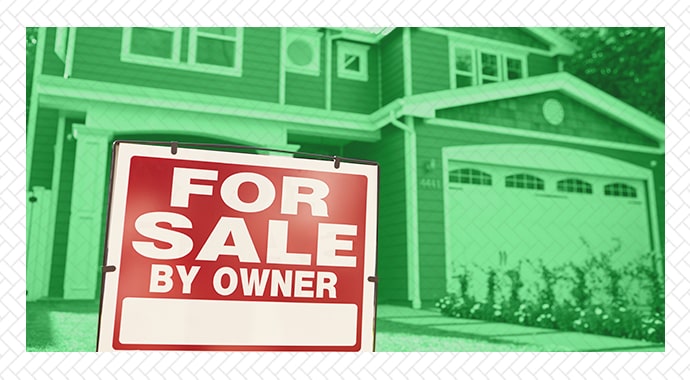
Selling a house by yourself, without an agent, is known as an FSBO — “for sale by owner”.
The first step in an FSBO sale is completing the numerous property disclosures required under the real estate regulations in Hawaii.
One of the required disclosures asks for an inventory of material damages that might negatively impact your property’s value.
Others deal with lead paint disclosures and any special circumstances related to your house, including the tsunami dangers and cataloguing the process used to construct your home.
These must be given to buyers during the sales negotiation.
You’ll need to establish a price for your property. An online home worth calculator is an easy way to determine that.
It’s then time to brush up on your knowledge of Hawaiian real estate law, contracts, and the paperwork required during the escrow process.
You’ll then need to locate some potential buyers for your property. Let’s explore some common and not-so-common ways to attract potential buyers.
Ways to Market Your House Yourself
- You’ll need a “for sale” sign on the property with contact information.
- While not required, a video tour posted on popular websites like YouTube can expand your buyer base.
- You’ll need a print flyer — something your buyers can take with them while they consider a purchase after a tour. Add a photo and your home’s amenities to refresh the shopper’s memory about your house.
- Place catchy advertisements on the best FSBO websites. The more eyes on your property, the better chance to snag a buyer.
Still unsure about the wisdom of going it alone? A quick inventory of the pros and cons might help make up your mind.
Pros of Marketing Your House Yourself
- Your closing costs in Hawaii as an FSBO will be lower since you’re not paying real estate commissions to brokers.
- You supervise every decision and step involved in the sale. Nobody is the boss of you and your sale.
- You are your only client. There’s no need to spend time with other sellers, as a real estate agent would be required to do.
Cons of Marketing Your House Yourself
- Hawaii real estate regulations are complex. The property disclosures required by law can be daunting. Unless you know and understand these laws, you may end up on the wrong side of the laws.
- You won’t have anyone to vet your decisions. You are alone in the real estate world.
- You’ll need to move quickly once you have your buyer. Any delay or errors may mean your buyer walks. If you make a huge mistake, you may end up in a court attempting to defend your error.
- FSBO closing costs are another area for negotiations, if you know what you’re doing. If you don’t, you may have missed out on some potential discounts!
Our last entry for selling a home in the Aloha State is one that allows homeowners to buy and sell simultaneously.
Expert Insight
What are the common pitfalls when selling a house by owner?
Hawaiʻi has specific residential seller-disclosure requirements, and the liability for not handling something correctly doesn’t necessarily disappear just because the house has already sold.
And one of the hardest parts is taking the emotion out of it. This is your home. You may have raised your children there, renovated it yourself, or spent years creating memories in it.
A buyer doesn’t have that same emotional connection. They’re looking at the roof, the kitchen, the price, and what else they can buy for the same money.
Selling by owner absolutely can work, but I always tell homeowners to look at the entire picture, not just the commission they hope to save.
At the end of the day, the goal isn’t simply to say you sold your house without an agent.
The goal is to make sure you’re protected, get the transaction all the way to closing, and walk away with the best possible outcome and as much money in your pocket as possible.
— Teondra Mills, Pacific Luxe Group Powered by Nagwa Saas Realty, Luxury Realtor
#4 How to Sell and Buy a House at the Same Time in Hawaii
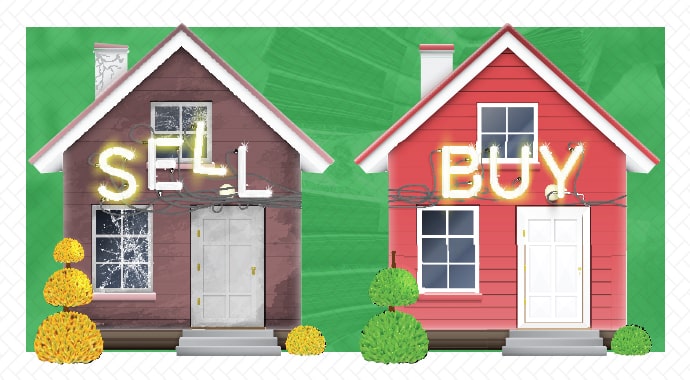
This sales approach is used when you’ve found a home you want to buy, but you already own a property that you need to sell to buy your new one.
You could make an offer on your new property contingent on selling your current home, but sellers aren’t excited about a contingency offer.
That ties their house up while you complete your sale, and you may not be able to sell your home.
There’s a solution to this problem. Some of the iBuyer companies in Hawaii will buy your house and give you the cash equity, so you’re able to buy the new home.
This sale also prevents the long delays of a traditional mortgage since your iBuyer uses cash to purchase your home.
Your iBuyer will make an offer for your house, and you’ll take that cash to buy your new home. When that sale is complete, the iBuyer will close on your property.
Home Sales Process in Hawaii
We’ve covered how to sell a home in Hawaii by using four different sales approaches.
The last segment of this article outlines how to sell a house in Hawaii, detailing the typical steps involved.
Before Signing a Purchase Contract
For many homeowners the time before the sale is the most intensive time for actions such as cleaning, decluttering, touching up paint and trim, and maybe even repainting or replacing flooring to make the home picture perfect for the public who want to find a turnkey house.
Some sellers even rent trendy furniture or other staging items to attract buyers.
You won’t need any of these steps when you sell to an investor. Cash buyers look at the bones of the home, not cosmetic problems, decor, or temporary staging.
Hawaiian real estate laws require a number of property disclosures. These must be completed and presented to prospective buyers within a set number of days before the sales transaction closes.
Our article describing what happens when you sell a house as is in Hawaii provides more details about the various state-mandated property disclosures.
Marketing the Property
Your property will then go through a campaign to put it front and center on the real estate market.
That marketing effort may incorporate snail mail, internet, or media advertising, open houses, broker previews, and special promotions that you or your agent devise.
You can skip all of that when selling to an investor. They need only a request to come make an offer.
Accepting an Offer
Once you have an offer, you’ll accept the earnest money deposit, and open escrow.
An escrow company is a neutral third party that is paid to handle the paperwork and monetary transactions during the sale.
Buyer Due Diligence Period
The next period allows your buyer to conduct home inspections, obtain a home mortgage, and conduct a title search on the property to ensure there aren’t any outstanding liens or boundary issues that need to be addressed.
Investor sales skip the mortgage step that can take weeks to complete.
At least three days before the final signatures are collected, you’ll review your closing costs with your escrow officer.
Your statement will look a bit different when you sell to a cash investor since they don’t charge a commission and they typically pay your closing costs.
Your buyer will take a final look at your house in a formal walkthrough at this time.
Closing
The last step involves collecting all the signatures on the formal sales and mortgage documents and turning your keys over to the new owner.
A new deed will be notarized and filed with the Hawaii Bureau of Conveyances.
Expert Insight
In a traditional real estate sale, which stage is the most complex and time-consuming for sellers and how could they make it easier?
In a traditional sale here in Hawaiʻi, I would say the most complex and time-consuming stage for sellers is everything that happens from accepting the offer to actually getting to closing.
That’s when you’re dealing with inspections, repair requests, the appraisal, the buyer’s financing, title and escrow, disclosures, paperwork, deadlines, and sometimes last-minute issues nobody expected.
If it’s a condo, there may also be association documents and other information the buyer needs to review. There are a lot of moving parts, and one delay can sometimes affect everything else.
The easiest way a seller can make this stage smoother is to prepare before the home even goes on the market.
Gather your documents, complete your disclosures carefully, find receipts or permits for major work you’ve done, and take care of the small things you already know could become an issue.
If you know the kitchen faucet is leaking or there’s a broken outlet, don’t wait for the buyer’s inspector to be the first person to point it out.
I also tell sellers to be responsive once they’re under contract. Sometimes we’re working with very short deadlines, and waiting two or three days to answer a question can create a problem that never needed to exist.
And probably the biggest thing is to expect that something may come up. Very few transactions are completely perfect from contract to closing.
An inspection may uncover something, an appraisal may raise a question, or a buyer may ask for a repair or credit.
Having a good agent who can keep everything moving, explain what actually matters, and help you make decisions without panicking makes that entire process a lot easier.
The goal isn’t just getting an offer. The goal is getting that offer all the way to the closing table.
— Teondra Mills, Pacific Luxe Group Powered by Nagwa Saas Realty, Luxury Realtor
Next Step
This article has laid out four ways frequently used to sell your Hawaiian home, and the steps in common to those sales methods to close the transactions.
It’s now time for you to take the lead by researching real estate agents, iBuyers, and cash buyers.
You won’t need to search for local home investors. We have that covered!
Our platform partners with prescreened local cash home buyers who have the expertise demonstrated by a long record of property sales done quickly and professionally.
Request cash offers easily and get them fast by filling out a short form and then wait for investors to contact you.
Your request for offers is also free. You won’t pay any referral fees or commissions, and there’s no obligation to sell to any of the investors making offers on your property.
