
4 Best Ways for Selling a Home in Georgia
Even though the information on this web page is provided by a qualified industry expert, it should not be considered as legal, tax, financial or investment advice. Since every individual’s situation is unique, a qualified professional should be consulted before making financial decisions.
This article focuses on how to sell a property in Georgia. We’ll introduce the four most popular sales approaches and the pros and cons for sellers using each one.
We’ll also follow the sales process step by step, from the listing through the closing of the transaction.
The first approach in our introduction to how to sell a house in Georgia is the fast-moving private sale.
#1 How to Sell a House in Georgia Privately

A private sale offers homeowners a way to quickly close an all-cash transaction. It also allows sellers to keep a low public profile as opposed to a very visible traditional home sale.
Property owners won’t need to put up with advertising, open houses, the constant flow of home shoppers visiting with little warning, and the long wait associated with buyers who need a traditional mortgage to buy.
A private sale may be new to you, so let’s explore the type of buyer and steps involved in this sales method.
What Are Home Buying Companies?
A home buying company is an investor who can purchase your home fast in an all-cash sale.
We’ll walk through how to sell your house fast to an investor and how to sell your house privately in the next segments of this article, but the short way of defining home buying companies is cash buyers who look for Georgia real estate investment opportunities.
Their investment goals might be buying a house for rental income or purchasing a property to repair and then flip to new owners.
Cash buyers are interested in a variety of properties, from single-family homes to multifamily housing of up to four units. And condition isn’t an issue for Georgia real estate investors.
They buy move-in ready homes and also purchase hoarder homes filled with mounds of trash, as well as properties that run the gamut between these two conditions.
Many sellers want to know how investors can move so quickly to purchase and close a sale.
The primary reason is investors don’t need traditional mortgages. They arrange financing from hard money lenders, and this process doesn’t require the normal wait time for loan approval and lender underwriting.
Investors also handle their own inspections, so you won’t waste time on arranging inspector visits to do in-depth examinations of things like your roof, mechanicals, and your plumbing.
Some homeowners want a fast, cash sale, including those:
- selling a house before it gets foreclosed
- selling a house with renters
- selling a house after a bankruptcy discharge
- selling a damaged house
- selling a house that’s part of an estate
- selling a house with back taxes owed
- hoping to sell a hoarder’s house
- wanting to downsize a home
- listing to sell a house before or after a divorce
- needing to sell a house for a job relocation
- selling as a short sale
Cash buyers turn to Georgia investor-friendly title companies to handle the escrow and title searches, since they have extensive experience with this type of sale.
Let’s compare and contrast the pros and cons of selling your home to an investor. This can help you decide if a cash buyer sale meets your needs.
Pros of Selling to a Home Buying Company
Homeowners selling to cash house buyers have a number of valuable benefits.
- Investor sales close quickly, sometimes in only days. When you sell your house for cash, you won’t waste the time required in a traditional sale.
- Cash investors are the gold standard for fast cash home buyers in Georgia. While traditional sales involve lenders, bank loan qualifications, and appraisals, you’ll skip all of that with an all-cash sale.
- Investors aren’t concerned about disrepair. They buy properties in as-is condition. That not only saves your time, but it can also save you out-of-pocket expenses before selling your home.
- Cash buyers don’t charge commissions, so if you also forego using an agent, you won’t pay any real estate agent fees.
- Investors pick up the typical home seller closing costs. That’s a major cost savings in Georgia where these can run 1%-2% of the sales price.
Cons of Selling to a Home Buying Company
There’s also a disadvantage to selling a home in Georgia to a cash investor.
- You probably won’t receive a market value offer from Georgia cash property buyers.
There’s a simple explanation for this. Cash investors factor in the costs of upgrades and repairs to your property. They also project a possible profit. They’re a business. They need to make some profit on the sale.
However, when you evaluate the offer you receive from an investor, you need to remember that you aren’t paying real estate commissions, property upgrade expenses, and closing costs.
That’s just the monetary side. You also won’t be on the hook to do repair labor or supervise hired help doing those upgrades.
The commission, repair, and closing cost savings may make the offer from an investor more in line with your price expectation for the sale.
How to Find an Ethical Home Buying Company
To be frank, just like among real estate agents, there are some unethical home buying companies who aren’t honest operators. By doing a few basic things, you can make sure you aren’t one of their victims.
The first step is to collect prospective home investors’ contacts, and then the more time-intensive step is screening them.
Locating home buying companies is fairly simple. You may even receive mailers from companies now in your snail mail or see their ads on social media.
You may see billboards or lawn signs from companies claiming “We Buy Houses” around town.
Use your favorite search engine with the terms “sell your house fast,” “house buying companies,” or “firms that purchase homes.” You can add “near me” or the name of your town to these queries.
Once you’ve filled out your list, look for a website for each firm or investor on it. You should find some basic background information on the “About Us” or “Our Company” webpage.
It’s then time to scan consumer review websites for possible complaints. Trustpilot, Real Estate Bees, Yelp, and the Better Business Bureau (BBB) are good resources for reviews.
Screening is time-consuming, and if you want to speed things up, you have a free resource available right now on your screen.
The cash investors partnering with our national platform have been screened and vetted for expertise, experience, and a history of closing sales fast.
Request cash offers from them now by filling out a quick online form.
The best part is you won’t pay anything for this. There’s no fee, no commission, and no obligation to sell once you receive one or multiple offers.
Expert Insight
What should home sellers look for when screening cash house buyers?
Check their reviews online. Talk to people they’ve actually bought from.
Get multiple offers because these companies make money on the spread. Don’t take the first offer just because it’s fast.
— Justin Landis, The Justin Landis Group, Founder
#2 How to Sell a House in Georgia Traditionally

A traditional transaction uses a real estate agent in selling a home in Georgia.
Agents charge a commission for listing, pricing, marketing, negotiating, and assisting your attorney in overseeing escrow, title, and your final closing.
Who Are Real Estate Agents?
The Peach State real estate professionals must hold a Georgia license and work in a brokerage where their actions are supervised by a licensed broker.
Selling a house in Georgia appears easy, but there are legal hoops from your locality, the state, and federal government that must be met before you can close your sale.
Your agent is your personal fiduciary who has the training and experience to handle all of the hoops and deal with legal requirements.
Realtors are members of the Georgia Association of Realtors, a state branch of the National Association of Realtors (NAR).
Realtors take oaths to serve as your fiduciary, put your interests first, and act to uphold the association’s ethical code of conduct.
Evaluating the advantages and disadvantages of an agent sale helps you decide if you want to use the traditional method to sell your property. Let’s make a list now.
Pros of Using a Real Estate Agent
- Agents are trained in real estate law. They understand the importance of completing disclosures, handling earnest money deposits, and filing escrow paperwork.
- Realtors have experience doing comparative property evaluations. This helps you set an aggressive, but sane, price for your home.
- Selling a property in Georgia with an agent gives you the freedom to go about your normal life and not be on call throughout the week for home showings. Realtors are your fiduciary, and you can trust them to always put your interests first.
Cons of Using a Real Estate Agent
- Most sellers find the cost of selling a house with a realtor the biggest disadvantage of using a real estate agent. Commissions run 5%-6% of the sales price. That’s significantly more than small change.
- It may take time to sell your house, particularly if it’s in poor condition.
- Agents mostly work with buyers from the general public who need mortgages to buy. This sets you up for a long wait for buyers to qualify for loans, and then for the lender to do the task of underwriting the mortgage.
Once you’ve made the decision to go the traditional route, you’ll need to screen agents.
How to Find a Good Real Estate Agent
Make a list of agent prospects you’ve collected from friends, family, local Realtor ads, property signs, and media ads.
Screen those names for agents with at least three years of real estate experience. Look for professionals with knowledge of your local area, better yet, your neighborhood.
It’s then time to scan local consumer sites like the Better Business Bureau (BBB), Yelp, and Realtor.com for positive and negative comments.
Select agents with the highest ratings and invite them to do a listing presentation.
This meetup should include a marketing plan for your house and a professional portfolio for you to examine. Pick the best agent and then sign a listing agreement.
The next method places the sale directly on your shoulders.
Expert Insight
What should home sellers look for when screening real estate agents to hire?
I’d also ask how they price homes and what their average days on market look like. An agent who prices right sells faster.
— Justin Landis, The Justin Landis Group, Founder
Don’t just hire the agent with the biggest billboard or the lowest commission. Interview a few agents and ask them questions that actually matter.
How many homes have you sold in my area? What’s your marketing strategy? How will you communicate with me?
— Jeremy Smith, Engel and Volkers Atlanta, Realtor/Advisor
#3 How to Sell a House in Georgia Without Middlemen
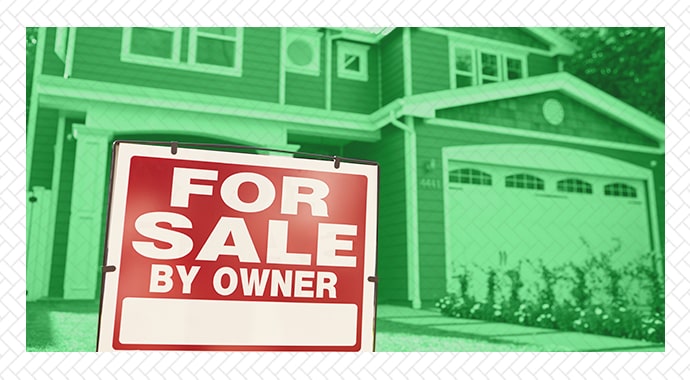
A “for sale by owner” home sale requires the owner to assume all the duties a real estate agent would handle in a traditional sale. It’s also known as an FSBO sale.
You will be in charge of marketing your home, handling the negotiations, completing the required documents, and then locating related services like title search, escrow, and your attorney once you have a sales contract.
The first hurdle in selling without an agent is to determine an asking price for your home. An online home worth calculator is one way to do that.
The next step is all-encompassing, and it requires you to quickly learn enough contract law, marketing skills, and master the steps to oversee the due diligence and closing steps in a transaction.
When you have that information, it’s time to hunt for prospective buyers.
Ways to Market Your House Yourself
- The first step is simple. Place a sign on your property. Make sure it says it’s an FSBO sale, and add your contact information for buyers to arrange for a home showing.
- Take a video of your home to share on places like YouTube.
- Send out property flyers to neighbors and local businesses. The flyers should feature images of your house with a list of amenities.
- Place advertisements on websites for selling homes by owner. Many of these are free for sellers.
If going it alone in your sale sounds like it might be something you can handle, consider the pros and cons before making a final decision.
Pros of Marketing Your House Yourself
- Real estate commissions are the major fees on the list of closing costs in Georgia. You won’t be paying your side of the fees when you work without an agent.
- You can take charge of everything involved in the sale. You control the sales calendar.
- Unlike a real estate agent, you don’t need to handle other clients. Your sale is your only focus.
Cons of Marketing Your House Yourself
- You are responsible for meeting all the local, state, and federal laws regulating your home promotion and sale.
- You must have mastery of the complex steps involved in the home appraisal and dealing with home inspection and repairs demanded by your buyers.
- Mistakes, even honest ones, mean delay. Large mistakes can mean you end up in court.
- Your closing costs when selling a home by owner are an area where you may pay more due to inexperience than you would if you hired a professional to handle your sale.
The final sales method is more common than you might think.
Expert Insight
What are the common pitfalls when selling a house by owner?
Georgia’s disclosure requirements are real, and missing something can cost you.
— Justin Landis, The Justin Landis Group, Founder
#4 How to Sell and Buy a House at the Same Time in Georgia
You’ve found a house to buy. The only problem is you haven’t converted your current house into cash to be able to purchase another one.
This segment introduces a way to both buy and sell in one simple process through an iBuyer.
Georgia iBuyer companies purchase your home, and you take the equity you’ve accumulated in your property to buy your new house.
When you close on your new home, your iBuyer then closes on your old property.
This method allows you to make an offer without attaching the contingency that asks your buyer to wait while you sell.
An iBuyer sale is quick and doesn’t require you to wait for a buyer — and pause while that buyer wrangles traditional loan approval and funding.
We’ve now covered the four ways of how to sell a home in Georgia!
Home Sales Process in Georgia

The last segment in this tour of The Peach State home sale process includes a guide through a typical real estate sale.
Before Signing a Purchase Contract
Before you ever see a sale contract, you’ll need to get your home ready for real estate showtime.
This includes preparing your property by painting, decluttering rooms, and then signing a listing contract that lists a sales price with a real estate brokerage.
If you’re selling to an investor, you’ll skip these steps and go directly to the accepting a contract segment of this guide.
Marketing the Property
You, if you’re working as an FSBO, or your agent will then develop a marketing plan to entice prospective buyers to tour your house. Marketing can take time, even with the best laid plan.
It may take weeks, sometimes months, before your marketing plan pays off and you find a buyer. During this time, you or your agent will adapt the plan and continue marketing.
Investor sales skip the marketing stages. An investment company is already your buyer. They don’t need to be sold on a property.
Accepting an Offer
Once you receive an offer, you’ll need to examine the terms closely, and you might make a counter offer, or maybe more than one.
This back-and-forth scenario can take some time. Once you’ve come to an agreement, your agent will take the earnest money deposit from your buyer to your real estate attorney.
From this time on, in The Peach State, your attorney is the point person for the sale.
Buyer Due Diligence Period
While Georgia laws don’t require homeowners to complete a property disclosure listing damages or problems with the home, your buyers have the right to bring in home inspectors and ask you pertinent questions about the condition of your home.
This is known as the “due diligence period.” You can learn more about it by reading how selling a house as is works in Georgia.
Your real estate attorney may work with an escrow agent to coordinate the financial aspects of the sale, or they may handle the escrow duties themselves.
Attorneys typically supervise title searches. This involves a legal search for any liens or encumbrances on your property. These need to be cleared before your sale closes.
Your buyer will locate a lender during this time, unless you’re working with an investor.
A conventional mortgage typically adds at least a month to the final closing process, while an investor sale can close in a matter of days.
Your buyer will walk through the house before the final closing to ensure the property is as found on the day the offer was presented. They’ll also look to make sure any contract repairs have been done.
Closing
Your attorney will review your costs for the sale, including any real estate commissions and closing costs, and you’ll sign your final legal documents.
The keys to the home will be exchanged, and the new deed will be filed. Congratulations, you’ve sold your house!
Expert Insight
In a traditional real estate sale, which stage is the most complex and time-consuming for sellers and how could they make it easier?
Get a realtor who knows how to present your home to the appraiser. We prep the house, document recent upgrades, and pull comparable sales. That changes the appraisal outcome.
— Justin Landis, The Justin Landis Group, Founder
My advice is to get ahead of it. Fix obvious issues before listing, gather warranties and maintenance records, and be realistic during negotiations.
A little preparation before the home hits the market can save a lot of stress after you’re under contract.
— Jeremy Smith, Engel and Volkers Atlanta, Realtor/Advisor
Next Step

So we’re now to the end of the home sale overview. It’s now up to you to spring into action to pick a sales method, contact real estate agents, iBuyers, and cash investors.
We can assist in those efforts when you request cash offers from vetted cash home buyers partnering with us on our national platform.
While you research agents and iBuyers, evaluate offers from experienced cash investors by using our network.
You won’t pay a fee or a commission for any of the offers. And you’re never under any obligation to accept any of them.
