
Selling a Home As Is in Georgia (A-to-Z Guide)
Even though the information on this web page is provided by a qualified industry expert, it should not be considered as legal, tax, financial or investment advice. Since every individual’s situation is unique, a qualified professional should be consulted before making financial decisions.
You want to sell your Peach State house, but it needs a number of repairs. This guide offers some tips you’ll need to sell a Georgia house in ‘as is’ condition.
We’ll define ‘as is’, offer some options for selling, and also review the pros and cons of each sales approach.
Before we detail what happens when you sell your house ‘as is’ in Georgia, let’s look at the term ‘as is’.
What Does It Mean to Sell a House As Is in Georgia?

‘As is’ means ‘as you find something’. A licensed real estate professional using the term, however, has a specific meaning.
‘As is’ in a Georgia real estate transaction means the seller offers no warranties, guarantees, or representation about the state of the property at the time of the sale.
Buyers purchase the home without any claims by the seller that anything is in working order. This includes home features that aren’t easily seen without a home inspection.
The standard listing contract in the Peach State doesn’t have a formal ‘as is’ condition clause, but there is a way to list and sell your home without doing repairs.
Can You Sell a House As Is in Georgia?

Yes, you can sell a home ‘as is’ in Georgia, but sellers must disclose any known material defects that would decrease the value of the house.
This disclosure protects the seller from future litigation from buyers based on known or unknown conditions at the house.
Buyers must also be given the opportunity to examine your property. They can bring in home inspectors, but at their own expense.
The time limit for the buyer to file a Georgia lawsuit based on any issues with the disclosure statement is four years.
Nothing in this article should be considered legal advice and it’s always a good idea to have your legal documents reviewed by a Peach State attorney.
What Do Georgia Real Estate Disclosure Laws Require?
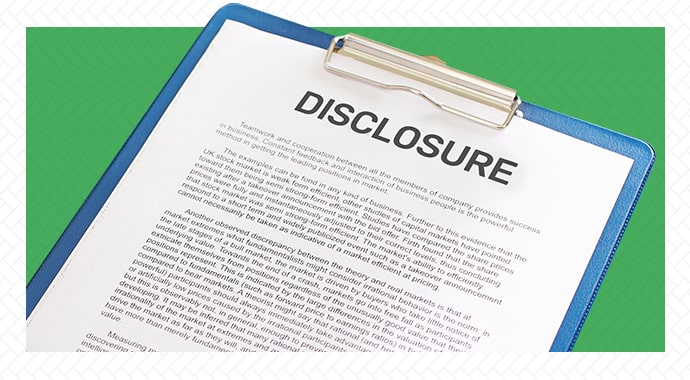
Georgia is a caveat emptor state. That means “buyer beware”. The law tells sellers to be transparent about any adverse material facts about the physical condition of the property.
The disclosure requirement also includes the condition of any improvements located on the property.
If you know something about the house that would decrease the value or would endanger the new owners, you have to let the prospective buyers know.
A formal written disclosure isn’t legally required in Georgia, but sellers working with professional agents use standard written forms developed by the Georgia Association of Realtors (GAR).
GAR forms include condition statements, including a detailed section that asks about the following items:
- Mold is one of the disclosure categories on the Georgia form. Sharing the state-approved special pamphlet to inform your buyers about the risks of mold is one way to disclose potential mold dangers when selling your house.
- Georgia’s Environmental Protection Division has special resources to inform buyers about flood zones, risks of flooding, and residential flood insurance options. Homeowners must also disclose these when selling a house with these conditions.
- The Peach State also offers sellers a radon pamphlet that informs buyers about radon gas and the risks of long-term exposure. This is another mandatory disclosure on the standardized form.
- Georgia regulations and federal law requires sellers to provide buyers a copy of the EPA lead paint flier. That document outlines the ways to avoid the risks of home lead paint exposure. Homeowners selling a house constructed before 1978 need to disclose the lead-paint risk.
- While haunted houses and bed bugs aren’t specific categories on the disclosure, the standard form asks owners selling a house to disclose any foundation damage and failed septic systems, termite infestation, asbestos, lead pipes, and drinking water contamination from things like mining or fracking.
- Owners selling a house must also disclose any permitted and unpermitted work on the structure, along with any prior water damage or fire damage.
- Polybutylene pipes aren’t mentioned specially on the disclosure, but sellers should be transparent if the house has this type of plumbing.
Georgia real estate law allows buyers to use the Right to Request Repairs legal document. This is a formal request made by the buyer to the seller to do repairs on the sale property.
That repair list can be negotiated between buyer and seller. The seller can refuse any or all of the repair demands listed on this form.
The seller’s refusal to repair, however, allows the buyers to walk away from the sale. And they can then take their earnest money purchase deposit with them without any financial penalties.
You can leave stuff behind when you sell your Georgia house ‘as is’ by completing the disclosure statement and adding that condition to the listing contract.
The buyer has the right to refuse your stuff by using the Right to Request Repairs form. You may want to discard the items yourself as opposed to blowing up a sale over leaving stuff.
Expert Insight
What are the common pitfalls related to properly disclosing the home’s condition?
Sellers in Atlanta think they’re being clever by not mentioning foundation issues or old HVAC systems.
Then the inspection report shows it anyway and buyers either back out or demand massive credits.
I’ve seen sellers lose 30 grand in negotiation leverage because they tried to hide something obvious. Georgia buyers are sophisticated here. They know what they’re looking at.
— Justin Landis, The Justin Landis Group, Founder
I always joke that “as is” doesn’t mean “as secret.” In Georgia, you still have to disclose known material defects. Selling as is simply means you’re not agreeing to make repairs.
If you know the basement floods every time it rains or the HVAC only works when it feels like it, buyers need to know.
Being upfront saves everyone a lot of headaches and usually keeps the deal together.
— Jeremy Smith, Engel and Volkers Atlanta, Realtor/Advisor
Should I Sell My House As Is in Georgia?

Making a list of the advantages and disadvantages helps answer the question, “Should you sell your Georgia house ‘as is’ or fix it up?”
Pros of Selling Your House As Is
Why sell a Georgia house ‘as is’? The advantages feature:
- You’ll avoid the chore of finding tradespeople to repair items in your house. You also avoid the cost of these repairs.
- Listing ‘as is’ means you don’t have to wait to sell. You can list tomorrow without doing anything more to the house, particularly when you sell your Georgia house for cash.
- When you sell ‘as is’, you’ll avoid the long list of repairs requested by buyers who hire a property inspector in Georgia. You’ll also avoid the stress over debating what you will fix and what you won’t.
- Avoiding home inspections also means you won’t have to share what prospective buyers find during their inspections of your house. Once you know about a problem, you must disclose it to other potential buyers.
- ‘As is’ buyers are generally open to receiving the house without any clean out. That means you can leave stuff behind, if your buyers agree to that arrangement.
Cons of Selling Your House As Is
What are the disadvantages to an ‘as is’ listing? The cons include:
- Your selling price will be lower than if you repaired the property and listed it in turnkey condition.
- You’re limiting your buyer pool when you list ‘as is’. The largest segment of buyers aren’t looking to purchase fixers. Fortunately, there’s a large pool of Georgia cash property buyers who have access to funds and are ready to buy.
It helps to establish a working budget for your home-sale calendar.
The cost of repairs, time taken to do those repairs, and the money lost each month on mortgage interest, utilities, and insurance fees help motivate sellers to make the decision to sell ‘as is’.
It also helps to review the closing costs when selling a house before we answer the question, “How do I go about selling my house ‘as is’ in Georgia?”
This review gives you a foundation to weigh your preferred sales approach.
There are three main ways to sell your ‘as is’ house in The Peach State. Let’s start with the first way — selling to an investor.
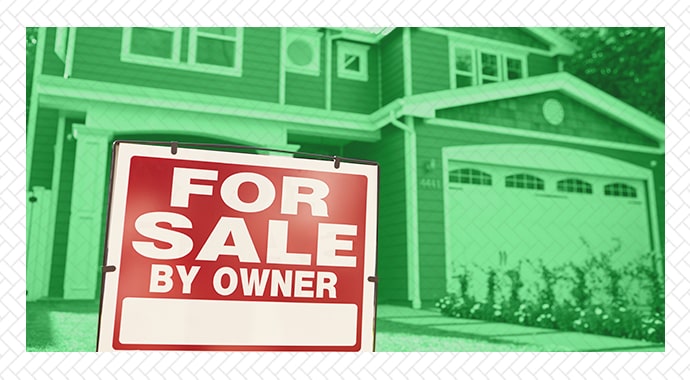
How to Sell a House As Is By Owner Without an Agent in Georgia
How to Sell a House As Is, Fast and For Cash Directly to an Investor
Before we review the process of how selling your house to an investor works, let’s first identify property investors in Georgia.
Who Are Cash House Buyers?
Real estate investors are professionals who buy and sell or buy and rent houses. Those of them who pay cash rather than use mortgages are called cash house buyers.
To have access to cash for buying rentals or properties to fix and flip, they work with hard money lenders who underwrite loans much quicker than banks.
Cash house buyers look for Georgia real estate investment opportunities, including:
- financially stressed people selling a house with a property tax lien
- heirs who are selling a house before probate
- homeowners with past due property taxes
- couples selling a house in a divorce situation
- people facing foreclosure
- transferred workers selling a house for a job relocation
- busy owners selling a home that needs work
- seniors who are downsizing
Investors and investment groups generally work with an investor-friendly title company in Georgia so the cash sale moves quickly and smoothly without any snags.
You may be interested in an ‘as is’ sale to an investor and be wondering, “How does selling a house ‘as is’ work in Georgia?”
‘As is’ home sales to investors in Georgia follow the same general steps as traditional turnkey transactions. The difference is that you omit all the time and effort of marketing your sales house.
Pros of Selling Your House As Is Directly to an Investor
- Working with a company that buys houses is a quick sale. Investors don’t need to sell anything to buy your house so typically there are few (if any) contingencies to the sale. You may be able to close the sale in days and not weeks compared with a traditional sale.
- Investors have money (or quick access to money) to make a cash offer. That means you won’t need to wait for formal appraisals, inspection reports, and the underwriting period that happens when your buyer needs a mortgage loan.
- Investors generally represent themselves in the sales transaction. If you work your side of the sale yourself without a real estate agent, you’ll eliminate all real estate commission fees.
- You’ll save the sale closing costs because investors typically pick up all of them. This can be a significant savings for the seller.
Cons of Selling Your House As Is Directly to an Investor
- An investor’s offer on your house won’t be market value. People and companies purchasing homes for investment subtract the cost of doing repairs from their offers. This covers the price of repairs and their costs of doing business.
- Working as your own agent means you don’t have a professional involved to protect your best interests. Unless you’re aware of the sales process, you may not use the rights you have in every step of the sales transaction. You can always, however, hire an attorney to review the contract presented by the investor.
Finding the Best Cash House Buying Company
Cash house buying companies can be found easily by using a basic internet search. You’ll find a number by using your favorite browser and by typing in some basic search terms such as:
- sell my house fast in Atlanta GA
- we buy houses in Atlanta GA
- cash house buyers in Atlanta GA
- iBuyers in Atlanta GA
- sell my house for cash in Atlanta GA
Narrow your search by including the state and city where your house is located. If you live in a rural area, include the nearest large city or town in your search.
More detailed search parameters bring up the local companies.
How to Choose an Ethical Investor?
The best way to find an ethical investor is to thoroughly research the prospects before requesting a cash offer on your property.
Web sources can be excellent research tools. Other research requires you to make a phone call or two.
Call the local branch of the Better Business Bureau (BBB) to ask about any complaints filed against your prospective investor.
Check with the local office of the Georgia Association of Realtors for any complaints against an investor with a state real estate license.
Read online reviews on local websites. If there are numerous posts from dissatisfied sellers about your prospective investor, move on to another investment company.
Ask the investors for a list of satisfied clients. Take time to interview several from the list.
Confirm your potential investor has a clear record with the Georgia Corporations Division.
Look for an investor with experience in purchasing ‘as is’ properties. A minimum of three years is recommended.
Expert Insight
What should home sellers look for when screening cash house buyers?
Ask what their actual turnaround is. Some claim 7 days but take 30.
Get the offer in writing with no contingencies listed. If they won’t do that, walk away.
— Justin Landis, The Justin Landis Group, Founder
Ask questions, get multiple offers, and make sure they’re actually the buyer and not just flipping the contract to someone else. A little due diligence can put a lot more money in your pocket.
— Jeremy Smith, Engel and Volkers Atlanta, Realtor/Advisor
How to Sell a House As Is by Listing It by Owner
It is all about taking the reins when selling your home in an FSBO or for sale by owner listing. You set the price, spread the word, show your property, and negotiate with buyers.
To make the process smoother, a good starting point is using a home value calculator. This tool helps you estimate your home’s worth based on factors like location and market trends. However, for the most accurate valuation, you can hire a professional appraiser.
Where Can You List a House For Sale by Owner?
The more buyer eyes on your property, the better chance for a sale. Use multiple venues for the best result.
A sign on the property alerts the passersby that your house is on the market. This works better in heavily trafficked areas.
An FSBO website offers a place where you can list your house on the internet. “FSBO” is a term that means “for sale by owner” property marketing.
Limited-service brokerage firms will contract their services to meet your needs.
If you simply want to list and nothing more, they can do that by listing your house on the Multiple Listing Service (MLS). These firms charge a flat fee for this service.
Distribute “just listed” fliers in the neighborhood. You neighbors and people working in the area might be interested in purchasing your house.
Pros of Selling Your House by Listing It by Owner
- Most sellers find the lack of commissions a major advantage to selling a house in Georgia by owner. In listing by owner, you automatically eliminate one-half of the commission fee.
- Listing as an FSBO means you are the boss of everything in the house transaction. You have full control over how you market and when to list and close the sale.
- Selling by owner allows you to market to both investor and non-investor buyers. This gives you an opportunity to earn top-resale value for your property.
Cons of Selling Your House by Listing It by Owner
- Even though you are working without an agent, many times your buyers will have a realtor. This means you’ll still pay half the commission on the home sale.
- Your potential buyers in most cases will need financing with all the delay that process entails for loan approval, appraisals, and loan underwriting.
- You are the only fiduciary representing your best interests. You’ll need to rely on your own real estate knowledge and understanding of important details like being able to decipher the escrow accounting of FSBO closing costs.
- Your lack of knowledge and inexperience could mean serious mistakes in the transaction. If you fail to follow Georgia laws, it can mean delays and even legal action if you fail to disclose properly. You may lose your sale by failing to follow the law.
Expert Insight
What are the common pitfalls when selling a house by owner?
You’ll also get lowball offers from investors who know you’re uninformed.
Without an agent, you’re also liable if something goes wrong during closing.
— Justin Landis, The Justin Landis Group, Founder
I always tell people that pricing the home is the easy part. Negotiating inspections, appraisals, contracts, deadlines, and keeping the deal together is where the real work begins.
Sometimes what you save on commission ends up costing you much more.
— Jeremy Smith, Engel and Volkers Atlanta, Realtor/Advisor
How to Sell a House As Is in Georgia with an Agent

Who Are Real Estate Agents?
Real estate agents guide you through the selling or buying process, find you buyers, and take a commission for that work.
Georgia real estate agents are licensed by the state. Agents go through specific formal training and pass exams.
Agents using the title “Realtor” are members of the Georgia Association of Realtors (GAR), a branch of the real estate trade organization — the National Association of Realtors (NAR).
Realtors have additional standards over and above state licensure requirements that must be met. They’re also supervised by the GAR to follow the association code of ethics and standards.
Pros of Selling Your House As Is with a Real Estate Agent
- Seasoned real estate agents know the local market and can price your house competitively. Agents look at the condition of the house, features and the finishes, and then determine an aggressive pricing that brings you the most money for the sale.
- Licensed agents have a fiduciary responsibility to put your interests first during each step of the sale. The agent will follow legal regulations during the transaction to your best advantage.
Cons of Selling Your House As Is with a Real Estate Agent
- The average Realtor cost to sell a home in the Peach State is 5%-6% of the sales price. That amount is divided between the buyer’s and seller’s agents. The commission amount is negotiable, but it adds a considerable total to your other closing costs in Georgia.
- Most agent listings take time to sell. You’ll be waiting for your agent to market your home. This can include broker previews and open houses.
- Agent sales typically take longer to close since most traditional buyers must use mortgage loans for home purchases. Mortgage lending requirements such as appraisals and underwriting can add weeks to your closing time.
How to Choose an Ethical Real Estate Agent?
Georgia is home to a host of real estate agents. How do you find an ethical one who can effectively market your house? There are some basic things you can do.
Check the Better Business Bureau (BBB) local branch in your area. If your agent has numerous complaints filed there, you may want to shop around for another broker.
Investigate by using the local board of the Georgia Association of Realtors. Boards are organized according to geographic region, and they have the responsibility for making sure their agents follow the rules and guidelines for ethical behavior.
Talk with your friends, relatives, and neighbors in the area. Satisfied clients are the gold standard for reliability and a demonstration of ethical behavior.
Research local review websites to see if your prospective agent is mentioned — either with positive or negative reviews.
If you find a recurring negative comment, it’s time to continue your agent search.
Ask the agent for a list of satisfied former clients and contact a few to interview them about their experience with the agent.
Check for former clients who sold ‘as is’ property so you can judge an experience similar to what you’d expect for your ‘as is’ sale house.
This guide has covered all the basic information to sell your Georgia house in an ‘as is’ sale. The only thing left for you to do now is make the decision how you prefer to sell.
Expert Insight
What should home sellers look for when screening real estate agents to hire?
Ask how many days their listings sit before selling. If it’s over 45 days in Atlanta right now, that’s a red flag. Also ask how many buyers they personally bring to showings versus just listing it.
— Justin Landis, The Justin Landis Group, Founder
They’re your negotiator, marketer, project manager, and advisor all rolled into one. Choose someone you trust, not just someone who promises the highest price.
— Jeremy Smith, Engel and Volkers Atlanta, Realtor/Advisor
