
4 Best Ways for Selling a Home in Utah
Even though the information on this web page is provided by a qualified industry expert, it should not be considered as legal, tax, financial or investment advice. Since every individual’s situation is unique, a qualified professional should be consulted before making financial decisions.
This article describes how to sell a house in Utah. We’ll cover the most common approaches to selling your Beehive State house and list all the pros and cons for each one.
One of them — the private sale — is an option when you want to sell your property quickly and without the usual headaches that can occur when using the other sales approaches.
Let’s begin there.
#1 How to Sell a House in Utah Privately

Private sales are known for speed and simplicity. If you want or need to move quickly, this selling option should be at the top of your list.
This sale eliminates the long wait for a buyer to apply and qualify for a loan and excludes the lender underwriting review and property appraisal.
Selling a home in Utah typically involves print and online promotion by using images of the interior of your home.
Your stuff is on full display for anyone with access to a sale mailer or people using a public website that features your home.
This won’t happen with a private sale because you have an option to sell a property in Utah without ever marketing it.
You may now be wondering just who will purchase your home without the long delays, and how you can locate them without advertising.
The next segment answers these questions.
What Are Home Buying Companies?
Selling your house privately is easily done by contacting a real estate investment company that buys houses for cash.
Cash investors actively seek out investment properties in Utah, including single-family homes, condos, townhomes, other types of residential real estate, and even land.
They look for homes in any condition — from pristine to complete fixers that need a number of major repairs and could be resold at a profit after rehab.
Other professional cash buyers have an interest in buying properties for rental income.
The short of it is there’s an investor who is interested in your type of property in the condition it’s in right now.
One common element is that Utah real estate investors don’t use traditional mortgages to buy. They’ll either bring their own cash or use hard money loans.
That form of financing is record fast to obtain compared with conventional home loans. For you, this means no waiting until the buyer gets their loan, which could otherwise take more than a week.
You can sell your home to a real estate investor for a fast and easy deal, and you’ll escape opening your house to the public.
Homeowners with pressing needs may find private investor sales extremely attractive, particularly those:
- selling a home to avoid foreclosure
- selling a home with a tenant
- selling a home after a bankruptcy discharge
- selling a damaged house
- selling a marital property before a divorce
- selling a house that was inherited
- selling a house for a job relocation
- selling a house when owing back taxes
- selling a hoarder’s house
- selling to downsize to a smaller property
Cash buyers typically use local investor-friendly title companies in Utah to facilitate a speedy sale.
Outlining some of the advantages helps to explain the reason many homeowners choose to use the private sales option.
Pros of Selling to a Home Buying Company
- Cash house buying companies have the ability to close quickly.
- Sell your home for cash in Utah, and you’ll eliminate the excessive wait required by traditional mortgages. Your buyer won’t need to be qualified, and your home won’t go through professional inspections and lender appraisals.
- You’ll skip repairs and the cleaning necessary to attract buyers from the general public who look for turnkey homes. Investors typically buy houses in as-is condition.
- You won’t have commissions to pay. That’s 5%-6% of the sales price in Utah.
- Another potential savings is the real estate closing costs for sellers. Investors typically pay seller’s fees!
Cons of Selling to a Home Buying Company
There is one major disadvantage to selling to an investor, although there may be an offset.
- Cash property buyers in Utah generally don’t offer market values for homes.
That’s true, but there’s something more to consider. Investors consider the costs for repairs and they’ll then add a potential resale profit when considering what to offer.
That figure typically isn’t market value, but when you consider you are skipping commission fees and your closing costs with an investor sale, that offer from a cash buyer may look much better.
If selling a home in Utah to an investor sounds like something you want to explore, you’ll need to go through some basic steps to vet the cash buyers to find a professional.
The next segment details some of those steps.
How to Find an Ethical Home Buying Company
You may already be receiving letters or postcards from cash buyers, or see media advertisements featuring investors who want to purchase your house.
As you receive mail or see an ad, start making a list of local cash home buyers.
Conduct an internet search to fill out that list. Use search terms such as “we buy homes for cash” or “cash home buyers” along with your location for additional local prospects.
You’re now faced with a dilemma: how do you know which investor is honest?
You can narrow that list by looking at the websites. Investors should have an “About Us” page where they introduce themselves and explain their expertise.
Look for cash buyers with at least three years of investment experience.
Transparent business operations identify the people you’ll deal with during a sale. If they don’t have that transparency, they may not be your best choice.
The next step is to see what the local community thinks about your list of investors. Check the online resources such as Real Estate Bees, Yelp, and Trustpilot for reviews of investors on your list.
The Mountain West branch of the Better Business Bureau (BBB) rates local businesses. Consult that website to confirm your investors have positive ratings.
All this vetting is time-consuming, but there’s an easier way to locate ethical cash buyers.
Use our website to request an offer for your house. Our property investor network has been prescreened and vetted, so you can trust you’re dealing with professionals who can close on your sale quickly while observing Utah laws and regulations.
Even better, you won’t pay a dime for using this service. You can shop for investors for the best offer without any obligation to sell.
The only thing to do is completing a short online form, and you are all set for reviewing and comparing cash offers on your property.
The next sales approach on our tour is one you’ll probably recognize — the traditional sale.
#2 How to Sell a House in Utah Traditionally

A traditional sale has the homeowner sign a listing contract with a brokerage that supervises a real estate agent — the professional who will handle your sale from A to Z.
Who Are Real Estate Agents?
Your licensed agent has the authority to handle all of the duties involved in selling a house in Utah, including marketing, fielding offers, assisting with the steps required during the due diligence period, negotiating with interested buyers, and the closing.
They are your fiduciary during the sales process. That means they must put your interests above all others.
Agents representing themselves as “Realtors” belong to the Utah branch of the National Association of Realtors (NAR), a professional trade group that supervises members to ensure the highest standards of professionalism.
Why use a professional agent? There are a number of important advantages.
Pros of Using a Real Estate Agent
- Licensed agents are professionals with the training and experience to deal with issues that arise during the transaction.
- Realtors take on all the heavy lifting in selling a property in Utah. That allows you to deal with work and family issues while your house continues to have a full-time marketer.
- Real estate agents have experience developing a comparative market analysis for your home. This shows the value of your house compared with other prior sales in your neighborhood.
- Your agent is your personal representative, your real estate fiduciary in all matters related to the listing and sale.
Cons of Using a Real Estate Agent
- The average Realtor cost to sell a home in Utah runs 5%-6% of the sales price. That’s not small change.
- Your home will probably take some time to sell, and during that time your agent will continue to market your home by hosting open houses, conducting showings, and advertising your property. It could take months to sell, particularly if your home isn’t in turnkey condition.
- Buyers found by agents generally require mortgages. This locks you into an extended wait while the buyer applies for a loan and the mortgage goes through underwriting. You’ll also have to sweat an appraisal and hope it matches your sales price.
How to Find a Good Real Estate Agent
Taking the time to screen a number of real estate agents is to your advantage, and simply hiring the first agent you see on a sign on another property in your neighborhood probably isn’t the best approach to vetting.
Some things to look for in an agent include at least three years in the real estate field with a record of successful closings. The agent should know your neighborhood and be familiar with prior sales there.
Collect names from signs, but also solicit recommendations from friends, families, and coworkers. Add agents from the brochures and mailings you receive.
Once you have a small list of prospects, begin your vetting with the local branch of the Better Business Bureau and reviews from former clients on social media.
Highlight agents with a number of positive comments and remove prospects with much negative feedback.
Check with the Utah Association of Realtors to see if there are complaints against members on your list of prospects.
The final step is the most important one. Select three agents and ask them to prepare a listing presentation for your home. This should include an individualized marketing plan.
After you’ve heard the three individual proposals, select the agent with the best plan and resume.
If you have the energy and lots of time, the next sales method might be right up your alley.
#3 How to Sell a House in Utah Without Middlemen
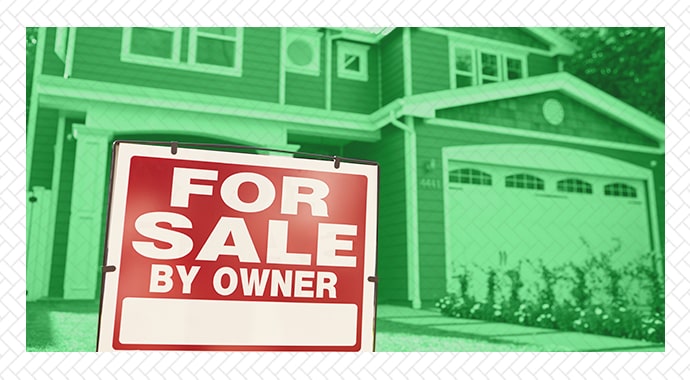
Selling without the middleman puts you on the hot seat to handle everything involved in selling your house yourself.
The industry calls this approach the “for sale by owner” listing or FSBO.
Your first concern as an FSBO seller is pricing. How do you know what price to set for your property? A home worth calculator can help you figure out an asking price.
The next steps probably require some background prep on real estate contracts, title searches, and escrow procedures. It also helps to understand some basic negotiation techniques to come out on top in your sale.
Before you get to those steps, however, you have a major task to locate interested buyers.
Here are just a few ideas to put some prospective eyes on your home.
Ways to Market Your House Yourself
- Put a sign on your property that tells home shoppers they’re looking at an FSBO property. Make sure you feature contact information so people can set up appointments for a showing.
- Use social media to attract buyers through video advertisements. Home tours are a popular approach on websites like TikTok and YouTube.
- Make up a flyer that lists your home’s amenities and features. Distribute it to local businesses in the area and to your neighbors — they might have friends who want to live nearby.
- Use the best FSBO sites. Some charge a small fee to post your information, while others are free for sellers.
There are a few advantages to going it alone in your home sale, but one stands out more than the others.
Pros of Marketing Your House Yourself
- The largest fee on your Utah closing costs is the commission you pay to real estate brokerages. When you don’t use an agent, you’ll save 2.5%-3% of the sales price. When your buyer also passes on agent services, you’ll double that savings.
- You are the boss of your sale. You determine everything related to the transaction, from the listing price through the time the sale closes.
- You can devote your entire time to making sure your home is sold. Agents typically have a slate of other clients who demand their time and efforts.
While the advantages sound attractive, there are some serious negatives to taking on all the duties of a home sale.
Cons of Marketing Your House Yourself
- You are in charge of all aspects of your sale, and you’ll need to make sure the legal requirements are followed.
- You’ll need to ensure your property is appraised at the sale price. That means developing a list of comparable sales for your neighborhood. If you don’t have negotiation experience, you might not end up with the sales price you expected and get even lower proceeds than if you used an agent and paid them a commission.
- You may not have the experience of dealing with problems if the sale runs off the road. When problems happen, you won’t have anyone with expertise to turn to.
- If you don’t do something, or err in doing something, that can mean delays. Too many delays may see your buyer give up and cancel the sale. A big mistake may lead you to court when your buyer is particularly upset.
- You’ll also need to be familiar with the details of the for sale by owner closing costs. You may overpay your costs when you don’t understand the itemized fees.
Our last entry to the list of sales approaches isn’t the most common, but it can assist homeowners who have a special need for a speedy sale.
#4 How to Sell and Buy a House at the Same Time in Utah
You have a home, but you’ve fallen in love with another house and you’d like to move. Making a contingency offer that requires you to sell your property before buying your new home might not be attractive to the seller hearing your offer.
This sales method is a way to both buy and sell at the same time through iBuyers in Utah.
In this sale arrangement, the iBuyer provides the cash from the equity in your current home to buy your new one. This allows you to pay cash, or put a cash down, for your new purchase.
You purchase the new property with the cash equity from the iBuyer who then closes on your current home.
There’s no long wait typically involved in mortgage lending, so you can move quickly and not have other buyers sweep in and purchase your dream home while you’re waiting for yours to sell.
Those are the four most common sales approaches to home sales. Our next segment in this article steps you through how to sell a home in Utah in terms of the main stages of a real estate transaction.
Home Sales Process in Utah
You’ll start the sale process by setting a price for your home, completing the property disclosure, and selecting your method of marketing your home.
If you enlist the help of a Realtor, you’ll then sign a listing contract.
Before Signing a Purchase Contract
Utah law requires you to share your property disclosure with all prospective buyers that express interest in purchasing your house.
This written document asks you to be transparent about any material damages and also anything that could pose a risk to the health and safety of the new owners.
Find more details about selling a house as is in Utah.
Marketing the Property
The next major step to selling is getting the word out about your house.
If you’re working with a real estate agent, they’ll take the lead to do the marketing. If you’re working yourself to sell your home, you’ll need a sound plan to attract buyers.
All marketing plans typically include a sign on the property and opening your home to potential buyers to tour.
Cash investors need only to know that you’re interested in selling. No marketing is required for that buyer group.
You can be the best property promoter, but in a slow real estate market, you may still sit for weeks, maybe months, hoping for a buyer.
As a rule, properties that need repairs generally take longer to sell to the general public who look for turnkey condition. Investment buyers, on the other hand, actively look for fixers.
Accepting an Offer
Buyers’ agents will bring offers to your agent, or directly to you when you’re selling your house yourself or selling to an investor.
These will be accompanied by an earnest money deposit. When you accept an offer, that deposit will be placed in an escrow account. Utah property sales are typically handled by escrow services.
Buyer Due Diligence Period
The next step has your buyer hire inspectors to take a look at your property for damages.
Buyers have the option to do inspections themselves. Professional inspections aren’t required by law.
However, if the buyer uses a mortgage (which most buyers do), this will surely be required by their mortgage lender.
Home inspectors will use your property disclosure as a guide for the formal assessment of your house.
During the due diligence period, an escrow or title agent will conduct a search of the legal chain of ownership for your property. Any problems are resolved at this time.
A title insurance policy is also written during this time. This guards against any title surprises that might be found in the future.
If your buyer is using a loan, the documents will be reviewed during the due diligence period, and your home will be appraised.
As for investor sales, they generally skip all the details involved in a mortgage-financed transaction.
Closing
At least three days before you sign your final closing documents, your escrow officer will review your costs and any paperwork to be signed at the real estate closing.
That review will include the commission and closing costs you’ll pay. When you sell to an investor, they’ll pay those fees.
The last step before both parties sign the final transaction papers is a formal walkthrough.
This allows your buyer time to take one last look to confirm the condition is the same as the day the offer was signed on your property.
Final signatures are next, and your property deed is then filed with the county recorder’s office.
Your buyer will receive the keys to the property, and the closing is complete.
Next Step
This article described four ways to sell your Beehive State home and the steps in a typical property transaction.
The next steps involve your participation in vetting real estate agents, iBuyers, and cash investors.
We can help streamline that effort. By requesting cash offers from the HouseCashin investors right now, you can already get interested buyers!
Just submit a quick online form and compare cash offers made by investors.
You’ll never pay a fee or any commissions. There’s also never any obligation to sell no matter how many offers you receive.
