
4 Best Ways for Selling a Home in Rhode Island
Even though the information on this web page is provided by a qualified industry expert, it should not be considered as legal, tax, financial or investment advice. Since every individual’s situation is unique, a qualified professional should be consulted before making financial decisions.
If you’re looking for details on how to sell a house in Rhode Island, you’ve come to the right webpage.
This comprehensive article describes four ways to sell, and the pros and cons of each sales approach.
Let’s get started by delving into the details of a private home sale.
#1 How to Sell a House in Rhode Island Privately

Selling a home in Rhode Island can be done fast, while also keeping your privacy. What do you avoid when you sell a property in Rhode Island privately?
You avoid having a parade of strangers filing through your home during open house events. You also won’t have folks you don’t know visiting your house for routine home showings.
Photos of your house also won’t be featured on the internet for every looky-loo to peruse. That helps sell properties to the general public, but you have another option when you sell privately.
As an added benefit to a private sale, you won’t need to make sure your house is spanking clean every morning just in case an agent wants to bring a client through your property.
These are just a few of the many things you’ll avoid by selling your home privately.
So, what is a private sale and how is it done?
What Are Home Buying Companies?
To answer that question, we need to introduce the principles in the home buying process.
Local real estate investing companies and individual investors, and sometimes hedge funds, buy investment properties in Rhode Island fast and for cash.
They purchase all kinds of properties, in all areas of the state and in any condition.
Some prefer single-family properties that need repairs. They’ll fix and resell them at a profit.
Other investors prefer buying rental homes that can be leased to people for a source of regular income.
The key thing these buyers have in common is real estate investors in Rhode Island bring cash to the sale.
Those who don’t have their own cash use hard money loans. This form of financing is different from conventional mortgages. It won’t make you wait weeks for the lender to approve and issue a loan to your buyer.
When you sell your house to an investor, a major advantage is the speed in closing and the ease of the transaction. This is critical to some homeowners, including those:
- selling a home to avoid foreclosure
- selling a house with renters who sabotage the property sale
- selling a house before bankruptcy
- selling a house in poor condition
- selling a house before or after divorce
- selling a house in an estate
- selling a house for a job relocation
- selling a house with back taxes owed
- selling to downsize or upsize to another property
These are just a few of the seller types who might benefit from a cash-financed deal, but you may have your own reasons for wanting a quick and convenient sale.
Investors typically use Rhode Island investor-friendly title companies with expertise in cash sales. This streamlines the closing process.
Selling a property privately can be a major boon if you’re looking for any of these advantages.
Pros of Selling to a Home Buying Company
- Selling to cash house buying firms means you’re dealing with companies that buy houses fast.
- Fast cash house buyers in Rhode Island won’t make you wait while they obtain the money to buy your property. They come to the deal with cash.
- You won’t need to do repairs to your property, and you can even skip the time and expense of doing a home cleanout. No need to sort through anything or rent cleanout dumpsters, even when you’re selling a hoarder’s house.
- There aren’t any real estate agent commissions when selling to a cash investor. That fee could be as high as 3%-6% of the selling price!
- Home buying firms generally pay the seller closing costs. Another major savings for sellers.
However, there is one major issue when selling to a cash investor.
Cons of Selling to a Home Buying Company
- Your offer from real estate cash buyers in Rhode Island will not be at market value. It might be, but it’s unlikely.
Investors look at the cost of repairs when deciding how much to offer. They also add in a potential profit. Those two things make your offer typically less than the market worth.
There are two things to consider, however. You don’t pay commissions when selling to an investor, and you’ll have your closing costs paid by the cash buyer in most cases.
Those two considerations may push your offer close to market value.
When you’re selling a home in Rhode Island to a real estate buying company, you’ll want to do some research to ensure you’ve selected a professional investment operation.
Let’s explore the ways to do that next.
How to Find an Ethical Home Buying Company
Let’s put all the cards on the table. Not all home buying companies operate ethically. That’s true of all professions.
It’s up to the homeowner to figure out who is honest and who isn’t.
Some simple steps can help you to sort the great from the good and then root out any firms operating as anything less than honest.
Collecting cash buyers is as easy as writing “sell your house fast for cash near me” in Google. You’ll then need to get down to research to determine if the claims these companies make are indeed true.
The steps to vet cash home buyers are basic. Start with the “About Us” page on the investor’s website. Look for a minimum of three years in the investment field.
If the page doesn’t list the education and expertise of the investor, move on. If you can’t find the name of any of the principles involved in the company, run away.
The next step is to consult sources like Trustpilot or Real Estate Bees to read comments about your list of prospects. Search a number of online consumer comment resources to get a full view.
Check out your local branch of the Better Business Bureau to see if any investors have complaints filed there. Many times, this public information is even available online.
The last stop is the State of Rhode Island Attorney General. That office has a separate department that fields consumer problems with firms operating in the state.
All that research is time-consuming, but there’s a faster way to get that done.
Use our website to request a cash offer on your property. Simple and easy, but most importantly, our platform does the investor prescreening and vetting for you.
Our national network of investors have the expertise and professionalism to close sales — and do it quickly.
There’s really no downside to using the service, since you are never charged any fees for the vetting and prescreening.
Also, you’re never under any obligation to accept any of the offers you receive. Fill out just one simple online form to request cash offers on your property now and see if you like them.
#2 How to Sell a House in Rhode Island Traditionally

A traditional real estate sale is one where a licensed agent takes on all the sales tasks, from listing through the final closing.
Let’s detail how an agent-assisted sale works.
Who Are Real Estate Agents?
Anyone who is selling a house in Rhode Island for a client must have a license and operate under the supervision of a licensed broker.
Homeowners hire agents to complete a listing, help determine a sales price, market the property, and then field offers from buyers.
The Realtor also serves as your fiduciary representative as your sale moves through the negotiations, escrow, and title search and transfer processes.
In short, your agent handles everything for you. Your only job is to explain what you expect from the sale, read the paperwork, sign where necessary. An agent allows you to focus on the chores of packing and moving.
Agents using the formal title of “Realtors” are members of the Rhode Island Association of Realtors (Rhode Island Realtors), a branch of the professional trade group — National Association of Realtors (NAR).
Realtors make a formal oath to uphold ethical standards and to place their fiduciary duty to you above all other interests.
Pros of Using a Real Estate Agent
- Agents are your paid guide in selling a property in Rhode Island. Their education and experience can be invaluable to a smooth sales transaction.
- One of the most valuable services you receive from your agent is access to databases of prior sales and current listings in your area — and the ability to translate that information for you. Your agent can develop a comparative market analysis (CMA) for your home to assist you in pricing your house to sell.
- Your agent is your legal representative. They can take action on your behalf.
Cons of Using a Real Estate Agent
- Realtor costs when selling a house run more than 5% of the sales price in Rhode Island (customarily, you are supposed to pay your own and the buyer’s agent fees). Even though these are open for negotiation, they still add a considerable cost to selling.
- You may need to wait, and sometimes a long time, for a buyer to appear. During that time, your agent will continue to follow your marketing plan of advertising and promoting your home to potential buyers, and that might include additional open houses and showings.
- Most buyers from the general public need mortgages. You’ll wait with them through the applications and loan approval, and there’s no guarantee they’ll qualify for the loan after all that waiting.
How to Find a Good Real Estate Agent
The most important part of the answer to “how to sell a home in Rhode Island?” starts with making the best choice of the professional to represent you. Let’s talk now about how to find one.
Start with the people who know you the best. Ask your friends and family for recommendations.
Sort through that list with an eye for professionals with at least three years of experience, and those who also have the knowledge to sell properties in your neighborhood.
Add some agent names from the signs on sold properties in your area to your list of prospects.
It’s now time to research.
Start with the local branch of the Better Business Bureau (BBB). They’re a forum to resolve consumer complaints, and the agents on your list may have had filings with the BBB.
The Rhode Island Association of Realtors is another research stop. The association also fields consumer complaints for member real estate agents.
The last step takes more time, but it’s essential to the selection process. Ask three agents on your list to do a listing presentation.
If you’re not impressed with the first three agents, continue the individual interviews until you find an agent with an effective marketing plan to represent you and your house.
#3 How to Sell a House in Rhode Island Without Middlemen
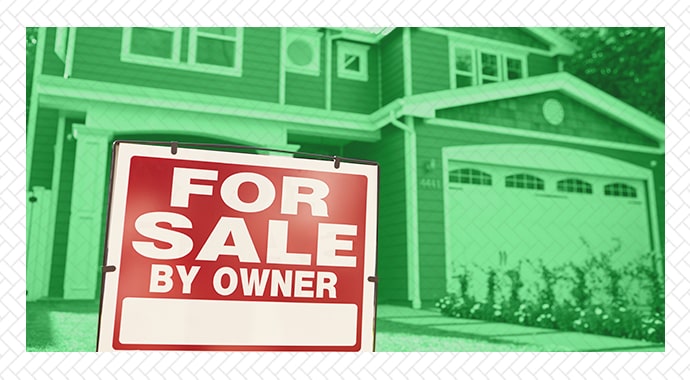
Next up for our review is the for-sale-by-owner listing, also known as “FSBO.” The FSBO method requires you to basically be your own real estate agent.
You’ll probably need some assistance with many of the basic agent skills. For example, a house value estimate tool can help you set a price for your property.
You’ll also need to do some background research to wrangle the sales process since you are in charge of every detail related to the listing, contracts, negotiations, and closing escrow.
Let’s review some suggestions that put buyers’ eyes on your property.
Ways to Market Your House Yourself
- The easiest way to market your home is to put a sign on your property. Professional signs generally attract serious buyers. Specify that you are selling it without an agent: “For Sale by Owner.”
- A video tour of your home is another option for marketing. This might be a full home tour or a short video — a reel — that can be posted on the internet.
- Make up an advertisement for your house that lists the features that buyers might like and distribute it in the neighborhood. Neighbors are a great resource to share your flyer with the family members and friends they’d like to move next door.
- Share your listing information with the public on websites to post homes for sale by owner. The more platforms you use, the greater your exposure to potential buyers.
Working by yourself to sell your house has some real benefits.
Pros of Marketing Your House Yourself
- Undoubtedly, the most attractive advantage to selling as an FSBO is the prospect of commission savings. They are the most significant item on your Rhode Island closing costs.
- You control every aspect of your sale. You work on your own timeline and calendar.
- While real estate agents have to divide their time among a number of clients, your house has your exclusive efforts, and you can work full time to sell your property.
But there are also some serious reservations in taking on your home sale.
Cons of Marketing Your House Yourself
- Rhode Island real estate law is complex, and you’ll need to master the details to make sure you’re following the regulations.
- You need to handle all the details of the sale, including helping your buyers when they need assistance in applying and being approved for a mortgage. You’ll also need to deal with the lender appraisals and the wait time that entails.
- You are on your own. You don’t have an agent to assist you with their training and expertise.
- Your mistakes may have your buyer walk away from the sale. Worse, your buyer may sue you for an error, such as failing to disclose a damage.
- If you aren’t skilled in handling FSBO closing costs and negotiations, you may overpay and get less in net proceeds than the amount a skilled agent would bring you, despite charging you a hefty commission.
The next selling option offers a way to buy a new home while you still have your current property.
#4 How to Sell and Buy a House at the Same Time in Rhode Island

It’s common to find your dream house first, and then need to sell your current house to afford your new purchase.
Fortunately, some iBuyers have an answer to that real estate dilemma. They offer “buy before you sell” services.
Rhode Island iBuyers can use the equity in your current property to lend you the cash so you can make an offer on another house.
That saves you from making a contingency offer on your new home. In a contingency, the seller can accept another offer on your dream home, while you’re still waiting for your current house to sell.
Your iBuyer sale means you can close on your new property, and the iBuyer will then close the sales contract on your current house.
An iBuyer transaction is a quick and easy way to ensure you’ll be able to purchase without waiting weeks, or even months, to find a buyer for your current residence.
The last segment in this article walks you through the steps involved in selling a home in the Ocean State.
Home Sales Process in Rhode Island

The easiest part of the home sale process is signing the listing agreement with a real estate agent.
And, as you’ve learned from this article, FSBO and investor sales have no listing agreement involved.
Before Signing a Purchase Contract
Rhode Island laws require homeowners to complete four separate property disclosures.
Two deal with the condition of the home, and two are required when you use a real estate agent to make public your business relationship with the agent.
Homeowners must complete a written inventory form listing any material damages to the house that would impact the value and anything associated with the property that could risk the health or safety of the new owners.
These disclosures are mandatory under state law.
You can find more details about the disclosures by reading about selling a house as is in Rhode Island.
Marketing the Property
Marketing is a way to get the word out to potential buyers. You and your agent will select a medium and message to introduce your home in the best possible light during this period.
You may have a sign on your property and have regular open houses as part of the plan. Cash investors don’t require marketing.
This step in the sales process may take only a day or two, but in most cases you’ll need weeks to sell. Condition is a factor in the time required to sell.
Fixers generally take longer to sell to the general public. Investors, however, are immediately interested in buying a property in as is condition.
Accepting an Offer
Your agent will field all sales contract offers for you. When you sell without an agent, offers will be presented directly to you.
An earnest money deposit will accompany the offers. This deposit lets you know that the buyers are serious about the sale.
The broker holds the earnest money in an escrow account and doesn’t release those funds until all the details of the contract are met.
Buyer Due Diligence Period
Your buyer will then begin their due diligence and inspect the property for any problems.
If you have issues that aren’t listed on your property disclosure, this may open up new negotiations over the final price for your home.
Escrow and title officers are assigned to your sales transaction during this time.
The escrow officer handles the legal paperwork, and the title officer does a search to locate any liens on your house that need to be resolved as part of the closing.
If your buyer has a loan, that paperwork will also be prepared during this period. The lender will hire an appraiser to examine your property and report back to the mortgage company.
Investor sales skip everything related to the mortgage firm, and typically they’ll also pass on elaborate home inspections.
Closing
You’ll then receive all the fees and charges for the closing. By law, this needs to take place at least 24 hours before you sign the final paperwork.
These figures include closing costs and commissions. When selling your property yourself, or in a sale to an investor, you won’t have any commissions. Investors also typically pick up the seller’s closing costs.
At least five days before you sign the final sales documents, your title or escrow officer will notify the state of the sale. That notification allows the government to compute the taxes on the transaction.
It’s then time for the final signatures for both buyer and seller.
The last step is to file a deed of sale, formally known as the real estate conveyance, with the city or town clerk’s office. The specific office depends on your local regulations.
After Closing
That’s it! You’ve closed the transaction on your home. There’s only one requirement left, and that’s transferring the keys to the home.
Although not a requirement, you probably want to confirm that the deed to the property has been recorded by the county recorder’s office.
If that doesn’t happen, you’re still legally on the hook as the owner of record.
Next Step

We’ve gone through the steps involved in the sale, and outlined four of the ways to sell your home in Rhode Island.
The next steps include contacting investors and iBuyers to solicit offers, and to find real estate professionals to discuss marketing plans and commission charges.
Since you’re here now, why not take a minute and begin your research with the easiest step — requesting cash offers from HouseCashin investors?
There’s never a fee, and you’re under no obligation to accept any of the offers you receive.
