
4 Best Ways for Selling a Home in New York
Even though the information on this web page is provided by a qualified industry expert, it should not be considered as legal, tax, financial or investment advice. Since every individual’s situation is unique, a qualified professional should be consulted before making financial decisions.
New York homeowners can offer their property for sale by using four effective avenues. We’ll detail each one, along with the advantages and disadvantages, in this article.
We’ll then summarize the sales and closing process common to all four sales methods.
Our first stop on the path to selling your Empire State home is the private sales approach.
#1 How to Sell a House in New York Privately

Homeowners looking for a speedy transaction find the private sale a logical answer. It moves quickly because it’s an all-cash sale.
There’s no delay while your buyer shops and applies for a mortgage in the private sale. There’s no waiting period while the lender qualifies your buyer and an underwriter decides to fund your buyer’s mortgage.
There’s also an additional advantage to a private sale: your address and images of your property won’t be shared with the general public.
You also won’t have folks touring your home during open houses, and you won’t be banned from your own home so buyers can look through your personal spaces.
When you sell a property in New York privately, you’ll avoid all of that. Your property will sell quickly, for cash, and without the nonsense that is required with a traditional sale.
Intrigued? The next segment explores the private sale in detail.
What Are Home Buying Companies?
Professional home buyers look for New York real estate investment opportunities, They have cash and can close the transaction quickly.
Some New York real estate investors have business plans that focus on purchasing a rental property as an investment. They purchase houses to rent for a steady source of income.
Other investors in the Empire State buy homes to flip. That process has the investor purchase a fixer, repair it, and then resell it to another buyer.
Most New York investors purchase all types of properties, single- and multifamily and attached and detached homes. Some even purchase vacant land and mobile and manufactured homes.
While typical buyers from the general public look for turnkey homes that require few repairs, professional property buyers aren’t focused on perfection. They’ll buy fixers in any condition.
Investors do have one thing in common — they bring cash. They have their own money or cash from hard money lenders. That means the transaction can close quickly.
You’ll skip the loan qualifying delay, and the time spent on appraisals that may or may not come in at the contracted sales price.
While nearly all sellers look for a fast sale, some homeowners have a particular need to sell quickly, including those:
- selling a house before it gets foreclosed
- selling a property with tenants
- selling a house to avoid bankruptcy
- selling a damaged house
- inheriting a house and then selling it
- selling a house with back taxes owed
- selling a hoarder’s house
- selling to downsize
- involved in a divorce home sale
- selling a house for a job relocation
- selling a house privately
Cash buyers generally work with investor-friendly title companies in New York due to the experience these firms have handling cash sales.
Pros of Selling to a Home Buying Company
- Companies that buy houses for cash can close the transaction quickly.
- When you sell your New York home for cash, you’ll eliminate unnecessary delays created by traditional lenders who need to take out mortgages to buy.
- You’ll avoid all the prep and upgrades required to make your home turnkey for buyers from the general public.
- If you don’t use a real estate agent to sell, you’ll avoid all commissions on the transaction since investors aren’t represented by agents.
- Investors typically pay the real estate closing costs for sellers.
Cons of Selling to a Home Buying Company
Selling a home in New York to a cash investor has another consideration.
- New York cash property buyers generally don’t make offers that match homes’ market values.
There’s a reason for that. Investors are in business, and they must earn a profit to stay in operation.
But there’s something more that home sellers need to consider when looking at an offer from a home investor — their net proceeds rather than just the selling price.
Cash investors typically will pay the seller’s closing costs. Also, sellers don’t pay agent commissions.
So, what the investor offers you is basically what you walk away with, unlike the sales price a Realtor names you.
In a Realtor-assisted sale, you will need to deduct your closing costs and Realtor commissions from the offer amount.
So when you compare the money you put in your pocket in both cases, you may find that an investor’s offer is not that bad compared to what you’d get from a Realtor-processed deal.
The next segment outlines how selling your house to an investor works in New York.
How to Find an Ethical Home Buying Company
While most home buying companies operate honestly and professionally, like any trade, there are some bad operators who aren’t ethical.
The key is to locate the professionals who have the expertise to close quickly and have a long list of satisfied sellers they’ve worked with over the years.
Locating an ethical home buyer can be done by vetting your investor before selling.
Start your search for an investor by making a list of prospects. Collect names of companies and individuals from “we buy houses” postcards you may be receiving, media commercials, and any recommendations you may have from friends and family members.
Use the internet to search for local investors to add to that list. Use the search terms “cash house buyers (and your area),” “sell house fast near me,” or “we buy homes in any condition.”
Look at the investors’ websites for information on their expertise and experience. The sites should have a page devoted to biographical and professional experience under “About Us,” “Our Company,” or a similar title.
Ethical investors are transparent about that information. If it’s missing, move on to other prospects.
Vet the investors by using a checklist that includes a minimum of three years in the field and a list of professional memberships in real estate trade groups and local community organizations.
Once you’ve narrowed your list, check the government sites to see if any of your prospects have legal issues that would disqualify them.
The New York State Attorney General’s Office handles any complaints arising from real estate transactions. Are any of your investors involved in these complaints?
Check online consumer websites, including Real Estate Bees and Yelp, to see what local sellers have to say about the investors on your list.
But there’s a quicker way to vet investors, and we can help you with that. Request a cash offer on your house by using the simple form on our website.
We partner with local professional investors who have cash to buy your property. We’ve vetted them for their experience, expertise, and professionalism.
You don’t pay vetting or referral fees, you don’t pay any commissions, and there’s no fee for requesting an offer. You won’t pay a dime for anything.
#2 How to Sell a House in New York Traditionally

Selling a home in New York in a traditional sale involves using a licensed agent working as part of a real estate brokerage.
Who Are Real Estate Agents?
Agents are trade professionals who have completed the formal coursework and gotten experience to assist you in listing, marketing your property, and negotiating on your behalf on offers made on your home.
They’ll also guide you through the steps involved in the due diligence, escrow, title search, and closing periods required to complete your sale.
Your agent is your legal representative while selling a house in New York.
Realtors hold membership in the New York Association of Realtors (NYSAR). This is a branch of the National Association of Realtors, a trade collective that focuses on maintaining high ethical standards.
It helps to weigh the pros and cons before deciding to hire an agent to sell your home.
Pros of Using a Real Estate Agent
- Real estate agents are trained and experienced in selling a property in New York. They can handle the unexpected without delays.
- Realtors have access to proprietary databases to assist you in pricing your property to get the most money out of selling it.
- Your fiduciary agent takes charge of all aspects of the sale so you can lead a normal life without the stress of taking on new home sales duties.
Cons of Using a Real Estate Agent
- The most significant costs of selling your house with a Realtor are the real estate brokerage commissions. New York sellers will pay an average of 2% to 3% of the sales price for commission fees.
- You’ll wait weeks, maybe months, as your home is marketed to the general public hoping to locate a buyer.
- Buyers from the general public typically need a mortgage. This means a mandatory delay while the lender qualifies your buyer and examines your house with an appraisal and a review by an underwriter.
An experienced agent is the key to an effective transaction. The next segment offers some tips to finding a good real estate professional.
How to Find a Good Real Estate Agent
The easiest way to find a good local real estate agent is to ask family, coworkers, friends, and neighbors for recommendations.
Look for agents with at least three years of experience selling in your area, and one with advanced certifications when your home has special marketing needs.
For example, if you are selling a fixer, locate an agent who specializes in that type of sale.
Check out the local feedback on your list of agent prospects. Yelp, the New York branch of the Better Business Bureau (BBB), and Real Estate Bees host feedback web pages where you can do that research.
The most important aspect of selecting an agent is finding a professional that has excellent communication skills and locating one you can work with.
Invite agents from your list to do a formal listing presentation for you at the property to evaluate those skills. When you locate one that meets your needs, sign a formal listing contract with their brokerage.
For homeowners who like to take charge of everything, the next sales option might be a good match.
#3 How to Sell a House in New York Without Middlemen
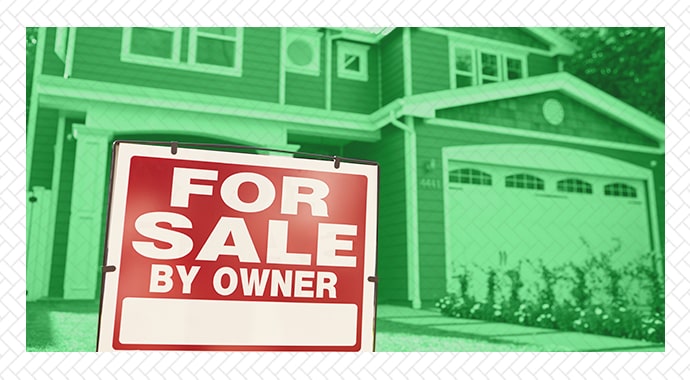
A “for sale by owner” listing, known as an FSBO, has the homeowner take charge of the marketing and supervising the escrow and closing process.
The first legal requirement that the FSBO lister needs to handle is to complete the Property Condition Disclosure Statement.
The PCDS inventories any environmental, structural, and physical conditions that would negatively impact the property value or the health of the new owners.
The next task for the FSBO is to set a price for the property. You can find out how much your house is worth by using an online home price calculator.
The next step is more complex. It requires the homeowner to develop a background in New York and federal real estate regulations, contract law, and the steps involved in closing a property transaction.
Once you have your home readied and feel confident that you’ve mastered the state’s real estate regulations, you’ll need to find a buyer.
Ways to Market Your House Yourself
- A sign is an easy way to let passersby know your house is for sale. It should offer a few ways to contact you to set up a showing.
- Post a video tour of your home on places like YouTube to attract buyers.
- Develop a formal flyer that lists the amenities and features of your home to distribute to potential buyers when they tour your home.
- Use real estate for sale by owner websites to promote your property. A number are free to post when you’re a homeowner.
It might help to consider the benefits and downsides when deciding to go it alone in your home sale.
Pros of Marketing Your House Yourself
- You’ll skip your side of real estate commissions. That’s approximately 2% to 3% in the Empire State.
- You take charge of everything from when to list, pricing, and when to close escrow.
- You don’t need to divide your efforts with other clients. You are your only client, unlike agents who typically work with a number of people at the same time.
Cons of Marketing Your House Yourself
- You may be overwhelmed by the complexity of the legal requirement and paperwork necessary to complete your sale.
- You’re on your own without anyone to assist you when you have major questions.
- Any delays due to your inaction while you research possible steps may discourage your buyer enough to walk away from the sale. If you make a major mistake, your buyer may see you in court when they’re really unhappy.
- If you’re not familiar with FSBO closing costs, you may miss out on potential savings that your agent could have negotiated.
Our last sales method has the homeowner buying and selling in a dual transaction.
#4 How to Sell and Buy a House at the Same Time in New York
You’ve been looking for a new home and haven’t yet put your home on the market. Once you’ve found the property you want to buy, you now have a dilemma.
You can make a contingency offer hoping the seller will agree to wait until your property is sold, or you can list your home and hope to find a buyer immediately.
There’s a third option that you may not be familiar with. This option offers a quick sale to a New York iBuyer that allows you to take the equity in your current property to immediately buy your new home.
You’ll take that equity cash to close on your new property, and then the iBuyer will close on your current home. There’s no delay with iBuyers because they bring cash to the sale.
Home Sales Process in New York
Those were the four different ways of how to sell a house in New York. Our last article segment tracks the steps in common to all the sales approaches.
Before Signing a Purchase Contract
The steps involved in selling a house begin with preparing it before listing, and the amount and cost of the prep depend on the sales method you select.
If you’re selling to the general public who look for move-in-ready properties, you’ll need to do extensive preparations, or even repairs.
But if you choose to sell to an investor, they simply need your request to make an offer.
The initial step for all types of listings requires the homeowners to complete the state-mandated property disclosures.
Our article outlining what happens when you sell a house as is in New York has additional details about property disclosures.
Marketing the Property
Your marketing plan is also determined by your sales approach. Attracting the general public requires advertising, signage, open houses, and online appeals.
Investors, however, don’t require any marketing: simply request an offer.
Accepting an Offer
Regardless of your sales approach, you’ll have an earnest money deposit as part of the sales offer. When you accept an offer, the deposit will typically be given to an officer in an escrow agency.
The escrow office is an independent third party that handles the money transfer and the legal paperwork involved in the sale.
Buyer Due Diligence Period
The next period is a flurry of activity by the buyer who has a title search done, contracts for title and hazard insurance, and home inspections.
Buyers who don’t pay cash will search for a lender during this time. They’ll then apply and undergo qualifications to receive a mortgage to buy.
Investors, however, bring cash — they don’t bring any mortgage delays.
After all those processes have been completed, both buyer and seller will sit down for a formal review of the closing costs.
Homeowners selling to an investor will skip paying closing costs and commissions on those final tallies.
The buyer will then take a final walkthrough of the property before the closing.
Closing
Everyone signs documents during the final closing — buyers, sellers, lender, insurance agents, title reporters, and any other person or agency involved in the sale.
You’ll then turn over your keys to the new owner.
The new deed will be notarized and filed with either the county clerk’s office or the Office of the City Register, depending on the location of the property.
A few days after the closing, you will check to make sure the deed has been transferred.
Next Step
Now you know how to sell a home in New York. The next step is up to you to collect the names of iBuyers, real estate agents, and cash home buyers.
We’re here to help with your list of professional home buyers. We’ve prescreened a collection of local investors that partner with us.
When you request an offer on our website, you’ll work with professionals with years of experience and a track record of closing promptly with satisfied sellers at the end of the transaction.
Request cash offers now — it’s as easy as filling out a short online form so we can connect you with vetted local cash buyers.
There are no fees or commissions. You won’t pay a dime. Fast, simple, and free — and without any obligation to sell!
