
4 Best Ways for Selling a Home in Nevada
Even though the information on this web page is provided by a qualified industry expert, it should not be considered as legal, tax, financial or investment advice. Since every individual’s situation is unique, a qualified professional should be consulted before making financial decisions.
This article details the options you have to sell a property in the Silver State.
It also outlines how to sell a house in Nevada, stepping you through each point in a typical sales transaction.
Let’s begin with the quickest and easiest way to sell your home.
#1 How to Sell a House in Nevada Privately

The private property sale is a method that features speed and an all-cash transaction. It also offers an increased element of privacy.
You won’t have personal information about your home or images of your private rooms posted in advertising or on the internet when you sell a property in Nevada through a private sale.
You won’t have to advertise your house at all. Instead, you can directly contact the buyer who will make an offer on your property.
What Are Home Buying Companies?
The short answer is home buying companies are private investors. They can move quickly to close home sales because they buy investment properties in Nevada with cash.
Cash investors focus on different objectives. Some are interested in buying a home for rental income. Others are flippers who buy, repair, and resell properties.
Nevada property investors buy all types of homes, and they’ll purchase houses in any condition.
It doesn’t matter if your property is an attached duplex in pristine condition or a single-family manufactured property that needs some work — cash buyers are interested.
Investors can close quickly because they have cash or access to hard money loans.
Why is hard money an advantage? That type of loan doesn’t have the same restrictions as a traditional mortgage.
You won’t wait weeks for your borrower’s approval or the OK from a lender underwriter.
Every homeowner can benefit from a fast cash sale, but some property owners have even more benefits from it, including:
- owners selling a house before it goes to a foreclosure auction
- landlords selling a home with renters
- property owners selling a property before bankruptcy
- homeowners selling a damaged house
- heirs selling an estate home
- owners selling a house with back taxes owed
- relatives selling a hoarder’s house
- seniors selling to move to a smaller property
- couples selling as part of a divorce home sale
- workers selling a house for a job relocation
- homeowners selling a home privately
Cash buyers work with investor-friendly title companies in Nevada to examine the chain of ownership and to check for any clouds on the title.
A “title cloud” is a term used to describe any unpaid liens or encumbrances on the property.
Should you sell your house to an investor? Making a list of the advantages and disadvantages of an investor sale can help you answer that question.
Pros of Selling to a Home Buying Company
- Cash house buying companies won’t ask you to wait for a bank loan application and underwriting.
- Sell your Nevada house for cash to an investor, and you’ll close in record time — a matter of days in some cases.
- No need to upgrade or do improvements to your property. Investors buy homes as is.
- You won’t have to pay commissions on the buyer’s side. If you also forego using an agent, you’ll skip paying any commissions! That’s 5%-6% of the final sales price in Nevada!
- Investors typically pay the real estate closing costs for sellers.
Cons of Selling to a Home Buying Company
There’s something else to consider when selling a home in Nevada to a cash investor.
- Odds are you won’t receive a market value offer from real estate cash buyers in Nevada.
There’s a logical reason for this. Investors must consider the costs to repair the property, and they also need to project a profit from the resale after fixing.
They’re in business. It’s only logical that they wish to make some profit.
But there’s another side to the lower cash offer: you typically don’t pay closing costs when selling to an investor. You also will skip agency commission costs.
Those are two major savings, but you also won’t be paying to upgrade and repair anything. That also takes cash to do.
When you add up those three savings, the investor’s offer might just come closer to the market value than you think.
You now have a list of the pros and cons of selling your home to an investor to use when weighing your decision to sell to a cash buyer.
How to Find an Ethical Home Buying Company
When you’ve made the decision to sell to an investor, it’s time to round up some prospective home buying companies from the local community.
The sad fact is, like any industry, not all investors have your best interests at heart. That said, you can protect yourself and locate an ethical investor by doing some basic things.
The first step is to make a list of potential investment buyers.
Investors can be found on snail-mail advertising, highway and street billboards, via recommendations from people who have sold to cash buyers in the past, and from some simple online research.
Use your internet browser to search by using terms such as “sell your home for cash” and “we buy houses” along with the name of your town to locate local investors.
Check the website of these investors and the others on your list of prospects. You should see a page labeled “About Us” or something similar.
This page should provide the background information you need to know about the investor. Look for companies in operation for at least three years.
Check for affiliations such as the Better Business Bureau or professional real estate groups.
Then it’s time to check out feedback about the investors. Skim websites like Yelp, Real Estate Bees, and the BBB to see what former clients are saying.
You’re now thinking, “Isn’t there an easier way to vet investors?” And there is!
We prescreen and vet investors to save you time and energy. And we don’t charge for connecting you with them.
We have a checklist that ensures our investor partners are experienced, professional, and have a history of closing sales quickly.
Request a cash offer on your house by completing a simple online form, and you’ll then be contacted by a local investor from our national platform.
Depending on your location, you may get more than one offer from different investors.
You won’t need to pay for this service, and there’s no commission. There’s also no obligation to sell to any of the investors whose offers you receive.
#2 How to Sell a House in Nevada Traditionally

Property owners selling a home in Nevada in a traditional sale hire a real estate agent to handle the transaction. Agents negotiate a fee from the seller for listing and marketing the home.
The seller’s agent will also assist in other aspects of the sale, including negotiating the sales contract, overseeing the title search, escrow, the final signing, and distribution of funds from the transaction.
Who Are Real Estate Agents?
Silver State real estate agents must hold a license to do business. To receive a state license, they must pass courses in property management, real estate law, legal contracts, marketing, and agency rules.
Selling a house in Nevada takes work and attention to detail. Your agent is your legal representative, your fiduciary in all aspects of the sale.
Your agent will develop a comparative market analysis to price, create a marketing plan to promote your house, and even guide you through the steps involved in the final closing.
Agents using the title “Realtor” are state branch members of the National Association of Realtors, a professional trade organization that promotes ethical practices in the industry.
What are the benefits in using an agent? This list will offer an answer.
Pros of Using a Real Estate Agent
- Licensed agents have mastery over laws regulating real estate transactions. They’re your expert guides to listing and selling a property in Nevada.
- Agents have access to proprietary data, including recent home sales that can assist you in setting a competitive price for your property. They’ll complete a comparative market analysis to help you price right.
- Realtors are your fiduciary and are licensed to act on your behalf. This allows you to continue to work and go about your normal life and not worry about all the details of your home sale.
There are some recognized downsides to using a real estate professional.
Cons of Using a Real Estate Agent
- When you find out how much it costs to hire a Realtor to sell your house, you might be surprised. Brokerages take between 5%-6% of the sale price as commissions.
- You’ll probably need to wait to locate a buyer. During that wait time, your agent will continue to promote your home and show clients through.
- Most buyers contacting you as a result of your agent’s marketing campaign need loans. Mortgages spell delays, sometimes long delays while your buyer shops and qualifies for loans.
Locating an experienced agent is critical to a smooth transaction. There are a number of things you can do to ensure you’ve selected a good one.
How to Find a Good Real Estate Agent
Collect names of agent prospects from family, friends, and coworkers. Look for professionals with a minimum of three years in the field, and experience selling homes in your neighborhood.
Check the agents to confirm they hold an active real estate license by using the online lookup tool on the Department of Business and Industry website.
Once you’ve confirmed licenses, test the consumer reaction to the agents on your list.
You can do this by reading comments on Yelp, Real Estate Bees, and the local branch of the Better Business Bureau (BBB).
When you’ve done your vetting, pick your top three choices and invite the agents to do a formal listing presentation at the sale home. This should incorporate a marketing plan for your property.
If you are impressed with an agent, sign a listing contract. If none of the prospects meet your needs, continue interviewing others from your list of prospects.
The next sales option has you take charge of the entire sale. It’s known as a “for sale by owner” listing, or an FSBO.
#3 How to Sell a House in Nevada Without Middlemen
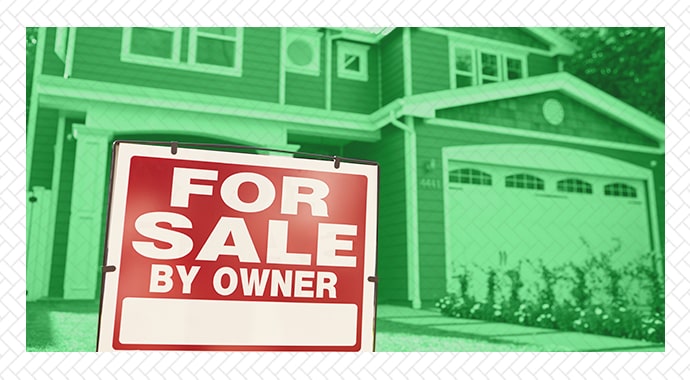
FSBO sellers must complete all the duties that a real estate agent would handle, beginning with completing the state-mandated property condition disclosure.
This form lists any negative conditions or damages that would reduce the value of your property. It also discloses any potential health hazards associated with the home.
Under Nevada law, you must share this form with all prospective buyers.
The next thing you’ll need to determine is your price. An online home worth calculator can assist with that task.
It’s time then to study Nevada real estate laws, review marketing and negotiation techniques, and study the procedure involved in receiving a sales contract, opening escrow, and handling the paperwork necessary to close the transaction.
Maybe the most difficult part of operating as an FSBO is finding potential buyers and enticing them to take a look at your property.
Let’s explore a few ways to do that.
Ways to Market Your House Yourself
- A sign on the property is traditional, although it alone probably won’t sell your house. Let the buyers know that you’re selling by yourself on the signage and list a way to contact you to arrange a home tour.
- Create a video walkthrough of your property and post it on the internet. Potential home buyers can find it on YouTube. You can also embed the same video on other sites where you post ads.
- Design a home flyer to distribute to buyers when they take a home tour. Point out important features and amenities on the flyer and add a photo so they’ll tie your house to the information once they’ve returned home.
- Advertise your home on the best FSBO websites. Many of these are free for sellers.
If you’re still unsure if going it alone on your sale is a good idea, consider the pros and cons of the approach.
Pros of Marketing Your House Yourself
- You’ll be a happy camper when you sell as an FSBO and review your closing costs in Nevada. Commissions are a major fee for sellers, and you’ll skip those charges when selling your home yourself.
- You set the calendar and all the terms for your home sale. You are the master of everything.
- You have one client — you — and you can focus all your time on your house, as opposed to real estate agents who have multiple clients to serve.
Cons of Marketing Your House Yourself
- You may not be familiar with the laws regulating real estate sales, and this may create issues when you violate one.
- You’re on your own without anyone to assist you in marketing and handling negotiations and contract offers.
- Uncertainty creates delays, and your buyer may walk while you figure things out. If you make a major mistake, you could end up in court.
- FSBO closing costs can be confusing to a novice seller, and you may miss out on an opportunity to negotiate some of the fees due to that inexperience. The same goes for pricing your house. It often happens that FSBO sellers net less than if they hired a Realtor and paid them a commission.
The last sales method is for homeowners who want to buy, but they have a property to sell.
#4 How to Sell and Buy a House at the Same Time in Nevada

Buying and selling a house simultaneously requires some planning, and selling your home to a buyer who has experience doing this sort of transaction can speed the process dramatically.
Local iBuyer companies in Nevada will buy your home and immediately give you the cash equity so you can purchase your new property without waiting to sell and without the delay that applying for a home mortgage entails.
You take the cash, buy your new home, and the iBuyer will then close on your former property. This happens quickly because your iBuyer purchases with cash.
There’s no waiting and no contingency sales where you’d hope to locate a buyer for your house and you’d sweat waiting to see if that transaction can close so you can buy your new home.
Home Sales Process in Nevada

Now you now know how to sell a home in Nevada — in fact, four different ways. The last segment of this article traces the typical steps involved in a home sale.
Before Signing a Purchase Contract
In a traditional home sale, the period before you sign the listing contract is the busiest time as you prepare your home for potential buyers.
You’ll do upgrading, painting, cleaning, repair work, landscaping, maybe some new window treatments or flooring, and finish the chore of decluttering everything.
You might even rent furniture to stage your home.
But you’ll skip all of this time and effort when you sell to an investor. Cash buyers purchase your property as is — no upgrades, modifications, or decluttering needed.
Nevada laws require sellers to complete a property disclosure that lists any damage or health risks at the house that might decrease its value.
To learn more detail on property disclosure requirements, read about how to sell your home as is in Nevada.
Marketing the Property
The next step is marketing your sale house. You’ll need a plan, and even then you may not find a buyer.
Your plan might include advertising, open houses, broker previews, and online media appeals.
Investors don’t need marketing, but if you sell by yourself or through an agent, you’ll need to have a comprehensive plan.
Accepting an Offer
Once you locate a buyer, you’ll have an intense period of negotiations until you have terms and a price that you and your seller like.
Offers will have an earnest money deposit that’s submitted by the buyer’s agent when the offer is presented. If you accept, that cash will go into an escrow account.
Escrow will then be opened for the transaction. You may have a real estate attorney take charge now, or your agent or a title or escrow officer will receive the handoff to complete the sale at this point.
Buyer Due Diligence Period
The next period allows your buyer to do their due diligence to search title records, bring in home inspectors, and shop for a mortgage (when they’re not paying cash).
Investors pass on the detailed home inspections, and they don’t need a traditional mortgage, so this period moves quickly for cash buyers.
Several days before the closing, federal law requires a review of your closing costs. You’ll see fees for commissions and closing fees when you sell by yourself or work with an agent.
Investors pick up the closing cost tab, and as you both skip using agents, there won’t be any commissions.
Your buyer will take a final walkthrough of the property to ensure it looks the same as when the offer was written.
Closing
The last step is the formal closing where buyer and seller sign all the formal documents and you turn over your keys to the new buyer.
The new property deed will then be notarized and filed with the county recorder’s office where the transfer tax will be calculated.
That’s the process. You just sold your house!
Next Step

After everything you’ve learned from this article, it’s now time to start making lists of real estate agents, iBuyers, and cash investors.
We can help with that last category. Our national platform has vetted Nevada investors waiting to see your home and make an offer.
You can request cash offers from our partnering buyers and then sit back and review them. If you don’t like any of them, you aren’t obligated to accept anything.
Neither are you charged for requesting, accepting, or declining offers. Easy, fast, and free — a hat trick for sellers!
