
4 Best Ways for Selling a Home in Maryland
Even though the information on this web page is provided by a qualified industry expert, it should not be considered as legal, tax, financial or investment advice. Since every individual’s situation is unique, a qualified professional should be consulted before making financial decisions.
Property owners in Maryland typically use four methods to sell their homes. This article surveys those sales approaches and presents advantages and disadvantages for each one.
We’ll also outline how to sell a home in Maryland step by step, from the listing through the final signatures done during the closing.
Let’s start our tour of sales options with the private sale.
#1 How to Sell a House in Maryland Privately

The private sale is an all-cash transaction that closes quickly because it doesn’t require a mortgage. You won’t wait for your buyers to apply or qualify for a home loan in a private sale.
You’ll also avoid the need to hold your house open to the general public on weekends in the hope of finding a buyer.
You won’t have prospective buyers calling at all hours to come through your home. There won’t be any need to keep your house turnkey-ready every day for a possible showing.
You also won’t have to worry that your house won’t appraise at the sales price, or home inspectors may find a defect that will make your buyers walk away from the sale.
Private sales are cash sales, and they move quickly to close, sometimes in just a matter of days. If you need a quick transaction, then the private sale may be perfect for you.
Who will buy your property in a private sale? The next segment introduces these buyers.
What Are Home Buying Companies?
Home buying companies are investors. Some buyers operate as individual investors; others form partnerships and groups.
Some real estate investors in Maryland concentrate on buying rental homes. Others buy houses to repair and resell (fix and flip).
There are buyers for any type of investment properties in Maryland: single-family, duplexes, triplexes, fourplexes, manufactured homes, and even commercial property.
While the general public looks for homes ready to live in, investors buy property in any condition, including properties that may have structural damage.
The element that all home buyers share is that they bring cash to the sale, either their own money or money obtained from hard money lenders.
The other thing they have in common is they can move quickly to close the transaction.
Some homeowners may have a particular need when selling a house to an investor, including those:
- selling a house before it goes to a foreclosure auction
- selling a house with tenants
- selling a house to avoid bankruptcy
- selling a home that needs work
- selling real estate in probate
- selling a house with back taxes owed
- selling a hoarder house
- selling to downsize to a smaller home
- selling a house during a divorce
- selling a house for a job relocation
- selling a home privately
Cash home buyers typically use Maryland investor-friendly title companies because they have experience working with cash sales that close rapidly.
Evaluating the pros and cons of selling to an investor can help you decide if a cash house sale is in your best interest.
Pros of Selling to a Home Buying Company
- An investor sale means you sell your home for cash, without depending on the buyer’s lender decision and going through a lender-required appraisal and inspections.
- Cash house buying companies in Maryland move quickly to close — it’s their business to help people who need an urgent sale.
- They buy houses as is, without asking you to fix anything that is broken in the house.
- Cash house buyers won’t charge you a real estate agent fee, and you won’t need a Realtor when selling to them.
- Investors typically pay seller closing costs, which means significant savings for you.
Cons of Selling to a Home Buying Company
- Homeowners typically won’t receive an offer from real estate cash buyers in Maryland that matches market value.
There’s a reason behind that — investors are a business, and they must make some profit.
When homeowners look at the cash they take away from the sale when evaluating an offer from an investor, they’ll discover the take-away money from an investor sale may compare with a Realtor-assisted sale.
Why? In a broker sale, you must deduct Realtor commissions and closing costs from the market value offer you get for your house. In an investor sale, what you are offered is what you keep.
The next segment provides some tips to help you find a professional cash buyer.
How to Find an Ethical Home Buying Company
Just like every industry, there are some home buying companies that look to take advantage of their clients.
Screening your investor is the most important way to locate an honest professional to purchase your home.
Start your screening by collecting a list of prospects from snail-mail advertisements, media announcements, and from a search of the internet.
Use your browser to search by using terms such as “we buy houses” or “buy homes for cash (and your locality).” This should provide you with a list of local investors.
Once you have your list of prospects, it’s time to do the in-depth vetting.
Begin by checking the Maryland Office of the Attorney General’s website to see if the cash buyers on your list have legal actions against them.
You can also consult the local branch of the Better Business Bureau to look for complaints filed there.
Check local consumer reaction to your investors on websites like Yelp and Real Estate Bees. If you see a number of complaints, remove that investor from consideration.
There is an easier way to do your preliminary investor screening.
Simply request an offer using our website, and we’ll match you with professional local investors who have a history of ethical behavior and a long list of closed transactions.
We screen the cash buyers partnering with us for their experience and expertise, saving you time and effort in the prescreening step when looking for an investor.
Request a cash offer on your house now. You won’t pay any fees and you won’t be obligated to accept any offer!
#2 How to Sell a House in Maryland Traditionally

Our next sales option is the traditional sale by using a real estate agent.
Who Are Real Estate Agents?
Agents are licensed professionals who have passed real estate courses to assist you in listing and selling your property. They work under the direct supervision of a licensed broker.
Your agent is your legal fiduciary and can take charge of the listing, marketing, negotiations with buyers, supervision of title and escrow, and overseeing the closing process in a sales transaction.
Real estate agents using the title “Realtors” are members of the Maryland Realtors, a branch of the professional trade group the National Association of Realtors (NAR).
Realtors take an oath to uphold the highest level of ethics in a transaction and to always put their clients’ interests first.
As with all of the sales options, there are advantages and disadvantages to working with an agent.
Pros of Using a Real Estate Agent
- Your agent is trained in real estate law and practice, and has the experience to guide you throughout the process of selling a property in Maryland.
- Realtors use a proprietary database to assist you in setting a price for your home.
- Your agent takes the lead in marketing and showing your home. That leaves you to go about your life without the additional stress of selling your property.
Cons of Using a Real Estate Agent
- You’ll spend 5.5%-6% on real estate commissions. The average Realtor cost to sell a home in Maryland is the largest expense of your closing costs.
- It may take some time to sell your home with an agent when selling a house in Maryland, particularly if it’s not in turnkey condition.
- Agents typically bring buyers from the general public who require mortgages to buy. This adds weeks to your closing time as your buyer hunts for a loan and then must qualify.
How to Find a Good Real Estate Agent
A good agent is the catalyst for a smooth transaction. Begin your search for a quality real estate agent by asking your coworkers, friends, and family for recommendations.
Look for agents with at least three years in the field and a history of selling homes in your specific area.
You can find a list of experienced agents on the Maryland Realtors Local Realtor Associations and Boards.
After you have a few prospects, invite at least three to your property to do a listing presentation. Ask each presenter to provide a marketing plan for your property.
Use the agents’ portfolio to research client satisfaction and professionalism. Contact several of the references in the portfolio for the agents you’re considering hiring.
Select the agent that best fits your needs and sign a listing contract with the brokerage.
The next selling method has the homeowner assume the duties of a real estate agent.
#3 How to Sell a House in Maryland Without Middlemen
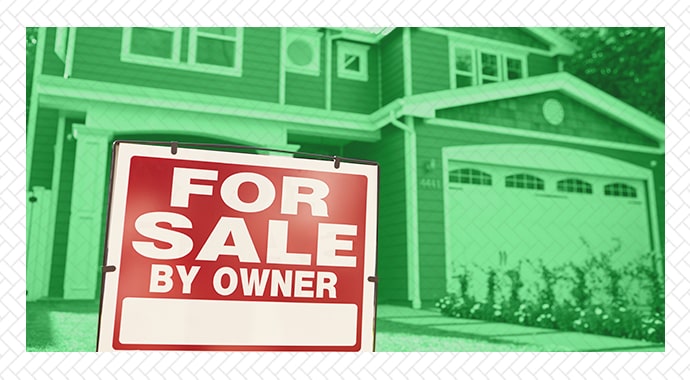
FSBO, a “for sale by owner” listing, requires you to take charge of all the elements of finding your home value, listing, sale, and closing.
You’ll need to complete property disclosures required by the federal government and the State of Maryland.
These forms require the homeowner to be transparent about any material defects that would reduce the value of the home.
They also include questions about conditions in the home that would risk the health and safety of the new owners.
You’ll then need to make your home ready for showings to the general public who look for move-in ready properties.
That effort might include painting, replacing flooring or appliances, upgrading landscaping, or even doing major repairs such as changing a roof.
The most challenging part of working as an FSBO for most homeowners is attracting prospective buyers to your property.
Ways to Market Your House Yourself
- Signs can be invaluable, particularly if your home is located on a busy street.
- Create a video tour of your property to post on websites such as Instagram and YouTube.
- Develop a professional-looking flyer to distribute to prospective buyers when they tour your home. This should list the amenities and features of your home.
- Creating advertisements to post on FSBO websites is another way to attract buyers. Many of these websites are free for sellers.
Pros of Marketing Your House Yourself
- The most attractive benefit for many homeowners is the commission savings when selling as an FSBO. Your closing costs in Maryland will be at least 2.5% less when selling by yourself.
- You are the director of your sale. You make the final decision on all aspects of listing, marketing, and selling.
- Unlike agents who have other clients that need attention, you can spend all your time marketing your home.
Cons of Marketing Your House Yourself
- You may not have the expertise to handle complex real estate issues that may arise during the contract negotiations.
- FSBO sellers don’t have professional assistance during the marketing and sales process.
- You may have delays during the sale when you’re unsure of what to do. During this time, you may lose your buyer. If you make a major mistake, you may end up in court when you’ve violated real estate law — even when it was unintentional.
- Unless you’re familiar with the FSBO closing costs, you may miss an opportunity to negotiate for lower fees for some charges. You can even net less than if you paid a Realtor to process your deal because of your lack of property pricing and negotiation skills.
Our last sales option has homeowners buying and selling simultaneously.
#4 How to Sell and Buy a House at the Same Time in Maryland
This method is available to homeowners who find a property but have a home that needs to be sold first.
Buyers in this situation have several options. They can buy contingent on selling their current home. That’s not an attractive offer for most home sellers.
Homeowners can quickly list their home and hope to find a cash buyer so they don’t miss out on the property.
There’s another option that would allow homeowners to seal the deal on their new purchase and sell their current property at the same time. That’s a sale to an iBuyer.
Maryland iBuyers will purchase your current property with cash, so you can use that cash equity to buy your new home. Once your sale has closed, the iBuyer will finalize the transaction of your current home.
Home Sales Process in Maryland
We’ve reviewed the four most common ways to sell a house in the Old Line State. Our next segment details the steps you’ll need to take to sell your home by using any of the four sales options.
Before Signing a Purchase Contract
The amount of work and cash outlay you’ll need to make before signing a purchase contract depends on the sales method you select.
Selling to the general public requires major effort. They want to shop turnkey properties with few, if any, required repairs.
They typically aren’t interested in fixers, even as-is properties requiring minor repairs.
You may need to paint, install new flooring and window coverings, work on your landscaping, and finish all minor repairs before placing your home on the market with an agent or as an FSBO.
Investors, however, aren’t concerned about cosmetics or home staging. You simply need to request an offer.
Many cash buyers purchase homes with damage, sometimes major material damage. They do not expect you to do repairs to receive an offer from them.
Regardless of the way you choose to sell your home, you’ll need to complete the required property disclosures.
You can find more details about Maryland disclosures in our article, “Why Sell a Maryland House As Is.”
Marketing the Property
Marketing comes next, and your plan will depend on the sales method you’ve selected.
FSBO sellers and homeowners using real estate agents will develop plans that might include signage, advertisements, broker previews, open houses, online tours, and showings to the general public.
Selling to an investor, however, doesn’t require any marketing. Simply request an offer and that’s it.
Accepting an Offer
Offers will come directly to you when you sell a property in Maryland as an FSBO or to an investor. Agents will field offers for you when you list with a real estate brokerage.
All offers will be accompanied by an earnest money deposit that’s then placed in a pre-closing escrow account until you accept the offer.
Buyer Due Diligence Period
The due diligence period needs to be closely managed, because there are multiple elements that must come together at the same time to close the transaction.
Your buyer will hire home inspectors to investigate the items listed on your property disclosure. They’ll also investigate any other concerns they may have about the home.
The escrow officers will create the legal paperwork for the sale. Title officers will conduct a search and issue title insurance.
Your buyer will contract for hazard insurance and shop for a loan during this period. Once they’ve found a lender, they’ll apply and go through the steps involved to qualify for a mortgage.
Once all of those steps have been completed, your buyer will do a final walkthrough of the property.
Three days prior to the final closing, you’ll review your final closing costs. You’ll note a fee for commissions and closing costs when using a real estate agent. FSBO sellers will also have closing cost fees.
If you’ve sold to an investor, your final closing document will be free of any commissions and closing costs, since the professional cash buyer typically picks up both their final fees and those of the seller.
Closing
It’s now time for the final signatures on the legal documents. You can elect to have a real estate attorney supervise this process in Maryland, but it’s not required.
You’ll give your house keys to the new buyer, and the title agent will notarize the new deed.
That deed will then be filed with the Land Records Department of the Circuit Court in the county where the sale house is located.
It’s advisable to check several weeks after the sale to confirm the deed has been filed.
Next Step
We’ve covered the four typical ways to sell a home in Maryland and the steps involved in the sales process.
It’s now up to you to decide the sales method that best suits your particular needs.
You can begin making your lists of iBuyers, real estate agents, and investors to start your screening.
We can help with the cash investor list. The cash buyers partnering with us have been prescreened and have cash to make an offer on your property.
Request cash offers now by filling out a short form so we can match you to professional investors in your area. There’s never any cost to you and never any obligation to sell.
