
4 Best Ways for Selling a Home in Iowa
Even though the information on this web page is provided by a qualified industry expert, it should not be considered as legal, tax, financial or investment advice. Since every individual’s situation is unique, a qualified professional should be consulted before making financial decisions.
Hawkeye State homeowners have four typical ways to sell a house. This article outlines those four methods, along with some benefits and drawbacks of each sales approach.
After that, we’ll trace the steps in a typical sale from the home preparation through the activities on the final day to close the transaction.
Our sales tour begins with a quick and easy method known as the private sale.
#1 How to Sell a House in Iowa Privately

The private home sale doesn’t have the delays associated with a traditional transaction involving a real estate agent.
There are no loan applications for the buyer, no property appraisals, and no underwriters who might deny the loan involved.
You have an assurance that your buyer comes qualified with cash when you sell privately.
This method to sell a property in Iowa also allows for privacy, just as the name implies.
You won’t have strangers walking through your home over and over again and looking in your closets until one of them finally decides to buy your house.
The next segment introduces the prospective buyers involved in private sales.
What Are Home Buying Companies?
Home buying companies may operate with a single real estate investor or it might be a combination of multiple cash buyers. It might even be a hedge fund.
Professional home buyers have cash or borrow hard money loans to buy investment properties in Iowa. Cash means the transaction can close quickly.
Iowa real estate investors have diverse business plans. Some focus on purchasing a rental property as an investment, others want a home to rehab and then resell it.
It doesn’t matter if you’re selling a mobile home, a duplex, a single-family property or a condo — there’s an investor interested in buying it.
Some cash investors also purchase vacant land, vacation houses, seasonal homes, and cabins.
The other difference between investors and the general public is cash investors aren’t concerned about the property’s cosmetic condition.
Typical buyers want a squeaky clean home that requires few repairs. Investors buy houses in any condition, including those where hoarders accumulated massive amounts of stuff.
There’s no home preparation required to sell to an investor. No repairs necessary, and no sprucing up needed. That saves you time, energy, and money.
Investors offer a quick and easy sale for property owners selling a home in Iowa, including:
- homeowners selling a house to avoid foreclosure
- landlords selling a house with tenants in place
- property owners selling a house before bankruptcy
- people selling a damaged house
- heirs selling an estate home
- people selling a house with property taxes owed
- family or friends involved in selling a hoarder’s house
- property owners downsizing to a smaller place
- couples involved in a divorce home sale
- workers selling a house for a job relocation
- homeowners wondering what to do when selling a house privately
Cash investors use Iowa investor-friendly title companies because they have experience with cash sales, and they can close transactions quickly.
The advantages to selling to an investor are significant, but there are also drawbacks to consider.
Should you sell a house to an investor? Let’s review the pros and cons to answer that question.
Pros of Selling to a Home Buying Company
- Companies that buy houses for cash make offers with their own money, or they use quick loans from private lenders.
- Sell your Iowa house fast to a cash investor, and you can close in a short amount of time, sometimes in only a matter of days when necessary.
- Home buying companies won’t expect you to repair anything in your property. They buy houses as is.
- Cash investors typically cover the home seller’s closing costs.
- You won’t need to hire a real estate agent and pay them a commission.
But there is also one potential downside to consider when using this sales approach.
Cons of Selling to a Home Buying Company
- Your offer from real estate cash buyers in Iowa typically won’t match market value.
There are two reasons for that pricing. The first is obvious. Home buying companies want to stay in business, so they’ll incorporate a profit into their offer.
The second reason is the investor’s offer incorporates savings to the seller.
When you look at your net proceeds — the amount you walk away with after selling — the offer you receive from an investor is the cash you’ll get.
If you are selling traditionally, with a real estate agent, they may get you a buyer who offers the market value for your home.
However, you’ll deduct the Realtor commission and closing costs from that amount. So either way, you aren’t walking away with the market value amount.
If you compare the net proceeds from an investor sale to the ones from an agent-assisted sale, the investor’s offer may seem attractive, considering the aforementioned benefits of selling fast, easily, and for cash.
How to Find an Ethical Home Buying Company
Like any profession, there are home buying firms that don’t care about your best interest. But screening helps you avoid those companies.
Start your vetting process by collecting the names of professional home buyers. You can locate these on billboards, home mailers, recommendations from friends and coworkers, and from media ads.
Supplement that list with names from an online research. Search by using terms such as “we buy homes in Iowa” and “sell house for cash Iowa.”
Look at the firms’ websites. You should find an “About Us” or “Our Company” page that gives the background and experience of the investor on the company site.
If that information isn’t listed, pass on that investor. Reputable companies are transparent about those details.
After you’ve eliminated some investors, check the local consumer websites for positive comments for the cash buyers on your list.
Yelp, Real Estate Bees, and the Better Business Bureau (BBB) are a few resources that provide client feedback.
Screening takes time, and if you’d like to streamline the process, we can help. We’ve prescreened local investors for their expertise, professionalism, and a history of quickly closing transactions for satisfied sellers.
Getting cash offers on your house to compare is easy. Simply complete a short form to request cash offers and you’ll have experienced local investors contact you.
There’s never any obligation to sell to any of the investors or to pay for anything. Get offers and compare them to see if this sales method works for you.
#2 How to Sell a House in Iowa Traditionally

In a traditional sale, the homeowner hires a licensed real estate agent. Let’s review that common sales approach in our next segment.
Who Are Real Estate Agents?
The short answer to this question is — a real estate agent is a licensed professional who represents you during the sales transaction.
They are your personal fiduciary who must put your interests above all others, including theirs, when selling a house in Iowa.
Your agent will handle all the details of selling a property in Iowa, including listing, marketing, negotiating, and wrangling escrow and closing. They ensure your voice is heard in everything involved in the sale.
Agents work under the supervision of a brokerage, and those using the title of “Realtor” belong to the professional trade group — Iowa Association of Realtors.
Realtors take an oath of ethics to represent you at the highest level of professionalism.
Evaluating the advantages and disadvantages of a brokerage listing can help you make the decision to hire an agent to handle your sale.
Pros of Using a Real Estate Agent
- Your agent has the expertise to handle complex issues related to your sale. That keeps your transaction on track to close on time.
- Realtors use the Multiple Listing Service (MLS), a proprietary database of listed properties and closed sales, to help you in setting an accurate price for your home.
- Real estate agents handle all the duties of listing and marketing a home leaving you to go about your regular life without also taking on the headache of selling a property in Iowa.
Cons of Using a Real Estate Agent
- When you and your buyer use a Realtor, you’ll spend 5.5%-6% of the sales price on commissions. The average Realtor cost to sell a home is the largest expense for homeowners using agents.
- Your house typically will take time to sell, and during the wait, your agent will continue to market your property. That could mean showings and open houses over months, particularly for places needing some repairs.
- Your buyer pool when selling a house in Iowa with an agent will mostly consist of people needing a mortgage to buy your property. This requires you to wait for their mortgage applications, home appraisals, and final underwriting approval.
How to Find a Good Real Estate Agent
The easiest way to locate a quality real estate agent is to ask your friends, coworkers, neighbors, and family for recommendations.
Look for “sold” riders on real estate signs in your neighborhood. The agents in these transactions have experience marketing and selling properties in your area.
Make sure your agent prospects have a minimum of three years of experience and marketing expertise for your specific neighborhood.
Investigate consumer feedback for your list of prospective agents by skimming reviews on places like Yelp, Real Estate Bees, and the Better Business Bureau.
Once you’ve narrowed your list to a few agents, invite them to present listing pitches to you at your home.
Ask the agents to tailor a marketing plan for your specific property and to bring a list of recommendations you can contact.
Select the best agent based on their presentations and sign a listing agreement with that brokerage.
#3 How to Sell a House in Iowa Without Middlemen
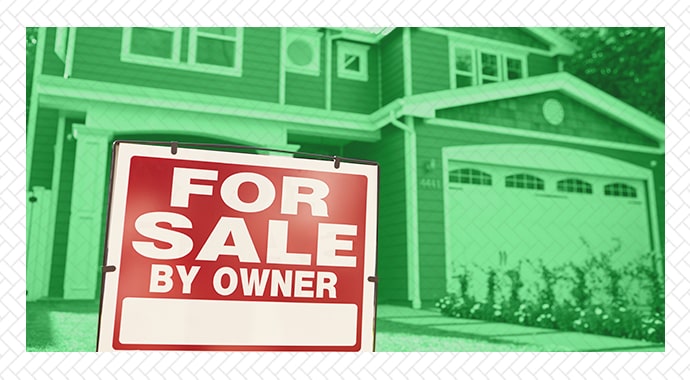
Another sales option is a DIY approach. You can list your home yourself as a “for sale by owner” listing. This is also known as FSBO.
This may sound easy — just put a sign in the yard and invite folks in. But in reality, it’s more complicated.
Before you ever get to the home showing stage, you’ll need to do three things to improve your chances to sell — and sell at market price.
The first is to prep your home for buyers. They like move-in ready houses. If your home isn’t ready, you have some work to do.
You may need paint, some repairs (maybe major fixes), and new flooring or window coverings. You might even need new appliances or a replacement roof to really make your home attractive.
If you’re in a competitive market, you might want to consider staging your house with rented furniture to make it look nice.
The second thing you’ll need to do is to set a sales price. You can use an online tool to help you determine the current market value of your home.
The last step you’ll need to take is to complete the state-required property disclosures. Iowa Code § 558A mandates that all sellers fill out a written disclosure listing their home’s material defects and health and safety risks.
After completing those preliminary steps, you’re ready to invite home buyers to tour your property.
Ways to Market Your House Yourself
- Post your ad on FSBO listing sites for quick access to the widest buyer pool.
- A professional-looking sign can be helpful, particularly in areas with a lot of walkers and street traffic. Make sure it specifies several ways to contact you to arrange a showing.
- A virtual tour of your home can entice potential buyers to come take a look. Post it online in places like YouTube and Instagram.
- Work up a professional-looking flyer, or have one made for you, that highlights the amenities and features of your home. Hand these out to buyers during your property showings.
Weighing both the pros and cons of an FSBO effort can help you determine if this approach is the right one for you.
Pros of Marketing Your House Yourself
- Homeowners in Iowa pay an average of 5.5%-6% of the sales price to brokerages. The Realtor costs when selling a home are a major hit to your budget. You’ll skip paying at least one side of the commissions as an FSBO.
- You control everything involved in the sale. You can adjust the calendar to meet your specific needs.
- While agents work with many clients during the week, you can focus all your efforts on your own home.
Cons of Marketing Your House Yourself
- If you’re not aware that some FSBO closing costs can be negotiated, you may net less from selling a house in Iowa than if you used a Realtor.
- Most homes don’t get sold immediately. That means you’ll have weeks, maybe months of home showings and open houses as your agent attempts to sell your home.
- Most buyers from the general public require a mortgage to purchase a home. You’ll experience the delays that those loans require. You’ll wait for your buyer’s approval, your home to appraise, and the final underwriter’s nod for the sale to get funded.
#4 How to Sell and Buy a House at the Same Time in Iowa
You want to move, but you don’t want to sell your home before you find a replacement. That presents a problem.
If you sell and can’t locate a home, you may have to make the sale contingent on a successful home search.
If you locate a replacement home and can’t sell your home fast, you also have a problem. And sellers typically aren’t excited about contingency sales.
Selling to one of the best Iowa iBuyer companies can resolve all those issues. An iBuyer brings cash to purchase your home so you can take that cash equity to buy your new house.
Once your sale has been closed, the iBuyer will finalize the transaction on your former property.
There’s no wait as you hope to attract a buyer for your current home, and there’s no loan delay, since it’s a cash sale.
Home Sales Process in Iowa

We’ve now described the four common sales approaches in the Hawkeye State. Our next segment walks you through the typical transaction process.
Before Signing a Purchase Contract
The period before signing the listing contract with a Realtor might be the most labor-intensive, depending on the condition of your home.
Most traditional buyers like turnkey homes. They want to move in without doing any rehabbing, upgrades, or repairs. That typically requires you to do some major home improvements before listing.
Investors and iBuyers, however, need no special treatment. Simply request an offer, and you’ve avoided any home prep.
Regardless of the sales method you elect, you’ll need to complete the property disclosure and provide a copy to potential buyers before they write an offer.
You can discover more information about the disclosing process in our article, “How Selling a House As Is Works in Iowa.”
You’ll need to establish an asking price for your house and then decide on the type of sale you want to attempt.
Marketing the Property
Your marketing plan is influenced by your sales approach. Realtor and FSBO sales require a detailed plan that might include signs, broker previews, home showings, open houses, and aggressive advertising.
Selling to investors and iBuyers doesn’t require any promotion or marketing. Simply contact them for an offer.
Accepting an Offer
Your offers will be accompanied by an earnest money deposit. That will then be deposited into a separate escrow account once you’ve accepted an offer.
You can hire a real estate attorney to assist with the sale, but Iowa laws don’t require you to do so.
Buyer Due Diligence Period
The due diligence period has buyers hiring home inspectors, contracting for title and hazard insurance policies, ordering a title search, completing loan documents, and arranging for home movers.
Several days prior to the closing, your buyer will take a walk through the property again.
Three days before the final signatures, you’ll review your closing costs for the sale. These include prorated charges for items like property taxes.
When selling through an agent or representing yourself, you’ll see charges for closing fees. Agent commissions will also appear on your seller’s documents.
If you’ve sold to an iBuyer or an investor, you’ll skip the commission and closing fees. The fees will appear on the buyer’s side of the ledger.
Closing
The formal closing has both buyer and seller sign the legal documents required by lenders, your municipality, and the state. You’ll turn over the keys to the new owner at this time.
Once the new title has been filed with the county recorder’s office, the transaction is officially closed.
That’s the transaction in a short summary.
Next Step

We’ve covered how to sell a home in Iowa in four ways and the steps involved in the typical transaction.
The question now is, “What to do next?”
Start with reviewing offers from real estate investors and comparing them with what Realtors could get you for your property.
Get cash offers quickly by using the short online form on our website. It will connect you with local investors who have been vetted for their professionalism and expertise.
There’s never a fee for this and there’s absolutely no obligation to sell to any of the investors.
Free, no pressure, and easy. Why not request an offer now?
