
Selling a Home As Is in California (A-to-Z Guide)
Even though the information on this web page is provided by a qualified industry expert, it should not be considered as legal, tax, financial or investment advice. Since every individual’s situation is unique, a qualified professional should be consulted before making financial decisions.
If you’re considering selling your California house in ‘as is’ condition and want to get in on a fast-moving market, you’ve come to the right place for learning all the details to do that.
This article offers information for ‘as is’ selling, the California disclosure requirements, the pros and cons of selling ‘as is,’ and the categories of buyers and how to attract them.
It also covers the advantages and disadvantages of taking on the sales duties yourself and the pros and cons of working with a real estate agent.
Now, let’s get started on the details.
What Does It Mean to Sell a House As Is in California?

Selling a California house in ‘as is’ condition means you don’t agree to repair or modify anything. The house is sold exactly as the buyer finds it.
The seller of an ‘as is’ house wants to sign the paperwork, leave the keys, and walk away with the cash. The catch is legally informing potential buyers that’s your game plan.
California real property sales typically use standardized forms approved by the California Association of REALTORS® (CAR). This purchase contract includes an ‘as is’ condition clause.
Can You Sell a House As Is in California?

Yes, you can sell a home ‘as is’ in California.
The official CAR sales contract agreement has a separate section that specifically states in bold print that the house is sold ‘as is’ — unless both buyer and seller agree to other contract terms.
These terms must be put into the original contract or added as an amendment rider to it.
How does selling a house ‘as is’ work in California? Basically, selling includes these basic steps:
- Listing the property for sale and filling out the disclosure paperwork.
- Marketing the house.
- Concluding the sale by signing a contract and completing the required legal forms.
- The legal transfer of the property title.
- Completing the financing and providing the final settlement paperwork to both seller and buyer.
The first step is listing the property and filling out all the disclosures required in a California real property transaction.
What Do California Real Estate Disclosure Laws Require?
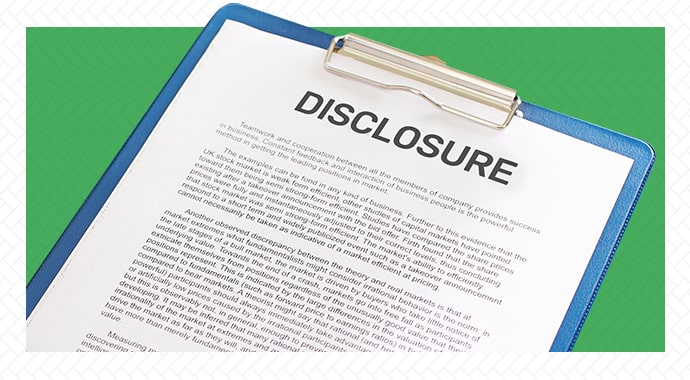
Real estate transfer disclosure statements in California are required when offering property for sale with a licensed real estate agent or broker.
The same disclosures are recommended when selling a house ‘as is’ without an agent. This protects both seller and buyer from any misunderstandings that could result in legal actions.
California Realtors use a standard transaction form that typically includes a formal disclosure.
Filling out the disclosures means checking boxes and answering questions in an extensive review of the real property for sale.
All material conditions, defects, and/or issues that might decrease the value or desirability of the house must be disclosed within seven days of signing the purchase agreement.
Failing to do that could mean legal liability. There’s a three-year statute of limitations for real estate disclosures.
California is serious about written disclosure forms. It’s important to share what you know about the house — and even what neighbors might know about any problems with your house.
Don’t leave any questions unanswered or leave anything blank on the forms. If it doesn’t apply, write “N/A.”
If you answer “yes” to any question, and you have documentation for that issue, attach a copy of that to the form.
California loves to use real estate terms written in acronyms for the legal real estate requirements.
You may be required to fill out a Seller Property Questionnaire, known as a “SPQ.” This form is more comprehensive than the Transfer Disclosure Statement (TDS).
If you’re working with a real estate agent to market your house, you’ll complete the SPQ. If you’re doing the sale yourself, it’s optional, but highly recommended.
If you’re exempt, there’s also typically a required form for that — the Exempt Seller Disclosure (“ESD”).
Exempted sales include bankruptcy sales and properties sold in probate. Some trust sales might also be exempted, but advice from a licensed attorney is recommended to determine if you should complete an ESD form.
The California disclosures ask for these details:
- Selling a house with foundation problems, fire damage, failed septic systems, water damage or drainage issues, fracking (fossil fuel hydraulic fracturing) concerns, and issues with flood risks, such as selling a home in a flood zone, need to be disclosed.
- Selling a haunted house doesn’t require a disclosure in California, but a death in the house within three years of the sale must be reported to potential buyers.
- Selling a house with unpermitted work or structures with code violations needs reporting.
- Selling a house with bed bugs isn’t classified as a pest infestation, so you don’t need to disclose it for a home sale. Termites, however, are classified under California law as pests and need to be disclosed. The same with prior termite damage.
- You can leave stuff behind when you sell your California house ‘as is,’ but only if the buyer agrees to that in the contract terms. You’ll also need to disclose you intend to leave stuff on the TDS and SPQ forms.
- Selling a house in California when it has lead pipes or lead paint, asbestos, polybutylene pipes, mold, and the presence of radon above safe limits outlined by the state, also needs to be disclosed.
Expert Insight
What are the common pitfalls related to properly disclosing the home’s condition?
Probably the biggest mistake I’ve seen in my 50 years in the real estate profession is that many homeowners believe that selling their home “as is” means that they don’t need to disclose anything about their home’s condition. Nothing could be further from the truth.
A legitimate “as is” sale is when the seller has disclosed everything they know about the property, both positive and negative, and that the buyer should not expect or ask that the seller to fix anything that is in need of repair or improvement.
Besides liability, most sellers don’t realize that an as-is sale can negatively affect the sale of their property because when advertised as such, buyers often wonder, “What’s wrong with this property that the seller is not willing to tell me about?”
One of the biggest lawsuits against home sellers and real estate salespeople is a failure to disclose material facts about the property, including any red flags which are obvious signs of disrepair or damage.
If one of my sellers doesn’t want to spend any money on repairs, I recommend that they obtain a professional inspection for any appropriate items, such as a contractor’s home inspection which examines the major systems like plumbing and electrical, a pest control inspection which looks for termites and dry rot, and a roof report at a minimum.
If there is a pool, septic system, or other such amenity, it should be inspected as well. That way, there’s a professional inspector between them, me, and a lawsuit.
Very often, the cost to address anything found on the report is minimal, and I recommend that the seller have the work done.
Once a buyer sees that professional inspections have been conducted, they are much more willing to make a strong offer as opposed to buying a property as-is.
— Michael Soon Lee, RE/MAX Gold, Broker-Associate
Most sellers try to hide latent defects that they are aware of but do not wish to disclose because it may hurt the sale of their home.
These are defects hidden within the home that may come up during a home inspection but are hard to find during a regular home tour.
It’s important that any known defects are disclosed by the selling, even when selling as-is, in the TDS or Transfer Disclosure Statement.
Failure to report these disclosures may end up in litigation, which is a whole lot more expensive than if you were to just disclose the defect and pay the small price in negotiations upfront.
— Justin Chau, eXp Realty of Greater Los Angeles, Real Estate Salesperson
It is required to disclose any deaths on the property within the past three years, known defects current and past, repairs made, permits, and work done without permits.
The biggest liability isn’t repairs that were made. It’s a failure to disclose known issues.
— Casey TeVault, Casey Buys Houses, Founder
The most common pitfalls are failing to disclose known water intrusion, unpermitted additions, pest damage, and neighborhood nuisances like noise or HOA disputes.
— Cesar Villaseñor, Click Cash Home Buyers, Real Estate Investor
Should I Sell My House As Is in California?

Deciding whether or not you should sell your California house ‘as is’ or fix it up is easy compared to filling out all the required disclosure paperwork.
Answering the question, “Why sell a California house as is?” is also easier after making a list of the advantages and disadvantages for the two options — sell ‘as is’ or fix it up and sell.
Pros of Selling Your House As Is
- It’s speedy. When you sell your house fast in California ‘as is’, it typically takes less time when compared to making repairs and then putting your house up for sale.
- ‘As is’ sales eliminate the need to hire contractors to do repairs.
- Selling an ‘as is’ house typically doesn’t mean a series of open houses for the general public. If you have nosy neighbors, they won’t have the invite an open house gives.
- You can typically avoid inspections with an ‘as is’ sale with a cash property buyer in California.
- You also avoid needing to disclose property inspections done by potential buyers in ‘as is’ sales. Any Inspections done by a California home inspector must be shared with all potential buyers, even when that buyer didn’t purchase your property.
Cons of Selling Your House As Is
- The biggest disadvantage of selling an ‘as is’ house is the lower price typically offered for fixers. That price gap might be offset somewhat by the benefit of selling your home to a real estate investor. When you sell to a California cash property buyer, you save cash on the repair bills and typical seller closing costs.
- Another negative is the problem of locating buyers — unless you are selling your house to an investor. If you don’t have the network to find buyers, this might be difficult. California is a hot real estate market, but without specific knowledge in selling ‘as is’ property, you may be at a marketing disadvantage.
- California requires detailed contracts and disclosures, and you are the point person for all of those requirements. Errors here could mean failing to close the sale. Knowing the closing costs for a seller, for example, can save you money.
What happens when you sell your house ‘as is’ in California? The answer to that question depends on your decision to hire an agent or manage the sale yourself.
How to Sell a House As Is By Owner Without an Agent in California
How to Sell a House As Is, Fast and For Cash Directly to an Investor
How do I go about selling my house ‘as is’ in California? One way to quickly move your house is to sell your home to a real estate investor.
Who Are Cash House Buyers?
Cash house buyers are individual investors or groups of investors with money to buy your house quickly. They buy investment property in California to hold for appreciation or repair and resale.
These professionals also focus on purchasing rental properties as an investment, preferring buying cheap fixer-uppers and repairing them as it’s more affordable than buying a turnkey rental.
California real estate investors look for a variety of sale situations, including owners selling a house that needs work, divorce home sale, and people selling houses as part of an estate.
Some investors look specifically for a homeowner selling a house with an IRS tax lien or a worker selling a house for job relocation.
Overall, they look for people who need to sell fast and/or agree to sell below market value.
Investors typically expect the house to need repairs. They also bring cash, so your house won’t need to wait through any appraisals for mortgage loans.
Once you accept a cash house buyer offer, the buyer will open the escrow with an investor-friendly title company in California.
Pros of Selling Your House As Is Directly to an Investor
- Sales move faster with cash offers.
- Accepting a cash offer from a company that buys houses means no formal appraisals or long underwriting periods to wait for loan approvals from traditional lenders.
- Inspections typically aren’t involved since there isn’t a traditional lender.
- When both the seller and buyer don’t use agents, you’ll save commission fees.
- Cash investors typically pay all of the closing costs.
Cons of Selling Your House As Is Directly to an Investor
- Your offers will be lower than the market value of the house. Cash buyers need to pay for repairs and also budget a profit margin for their efforts. These are subtracted from the price offered.
- As a FSBO seller, you won’t be represented by a professional to protect your best interests.
Finding the Best Cash House Buying Company
Finding a cash house buying company can be done easily with the internet, by using the search terms below. Substitute your own city or geographic region to find local companies.
- iBuyer companies in Anaheim CA
- Cash house buyers in Anaheim CA
- We buy houses Anaheim CA
- Sell my house for cash Anaheim CA
- Sell my house fast Anaheim CA
How to Choose an Ethical Investor?
Before requesting a cash offer on your home, it’s advisable to investigate potential investors. There are a number of ways to locate ethical investors with a solid business track record.
- Ask for personal and business contacts. Be sure to confirm these.
- Confirm any licenses or certifications held by the investor.
- Contact participants in other completed real estate investments done by the person or investment company.
- Check with any impartial third parties used in prior transactions. Escrow or title companies can share their experiences with the investor. Make sure those contacts are professionals with licenses and bonding.
- Consult social media for feedback about the investor or company. One complaint might be ignored, but lots of negative feedback is a problem.
- Check with the California Department of Justice for fraud complaints against the investor or company.
Expert Insight
What should home sellers look for when screening cash house buyers?
Many local “we buy houses” operations do not actually intend to buy your home.
They are wholesalers looking to tie up your property under a purchase contract and then sell (assign) that contract to an actual investor for a fee.
In California’s high-stakes market, an ironclad contract and transparency are your best protections.
A legitimate cash buyer will have no problem providing absolute transparency regarding their funds, their corporate entity, and their intent to close.
— Nathan Diones, Regioncy Real Estate, Broker of Record/Chief Deal Maker
Research reviews and ask how often they renegotiate after inspections.
Most importantly, compare the net proceeds to what you could realistically achieve through a traditional sale before making a decision.
— Stephanie Nash, Compass, Realtor
A “we buy houses” company should be able to show its legal status, enter into an escrow, show proof of funds, and give time for review.
Red flags include transfers of deed outside of escrow, terms that the seller does not comprehend, and upfront fees and pressure on distressed homeowners.
— Nick Heimlich, Nick Heimlich Law, Owner and Attorney
How to Sell a House As Is by Listing It by Owner
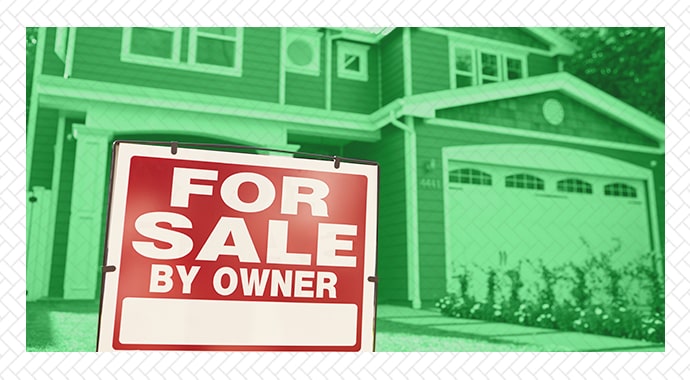
FSBO, or “For Sale By Owner”, is a process where homeowners take full control of selling their property, avoiding the need for a real estate agent.
This approach gives you the freedom to handle pricing, negotiations, and marketing while saving on commission fees.
When selling your home on your own, it’s essential to estimate your home value accurately.
Using tools like online estimators or conducting market research allows you to determine a competitive price that will attract buyers while ensuring you get the best return on your investment.
These steps make FSBO more manageable and effective.
Where Can You List a House For Sale by Owner?
- FSBO listing sites, such as Zillow, will help you market your house.
- Flat-listing-fee brokers will post your listing on the Multiple Listing Service (MLS). The MLS is available to licensed Realtors and ensures real estate agents know about your listing and can market it to their buyer clients. However, if your sale involves a real estate agent, even if it’s a buyer’s agent only, you will still be responsible for paying their commission.
- Media websites, like YouTube, offer places to upload your property videos that you can share on other sites.
- Property signs are an easy way to have buyers find you. Buyers cruise neighborhoods to look for sale signs. List your contact information by using weather-proof sign materials.
Pros of Selling Your House by Listing It by Owner
- You’ll have some cash savings on listing agent commissions. California real estate commissions typically require the seller to pay 5-6% of the purchase price. That’s a significant saving upfront, even if it’s only for the commission on one side of the transaction (you’ll still have to pay the buyer’s agent if your buyer is using one).
- You can market directly to non-investors. Some buyers look specifically for ‘as is’ properties to remodel to meet their specific needs and design tastes.
- You’re in charge. You set the price and control the marketing of your house.
Cons of Selling Your House by Listing It by Owner
- You’ll still end up paying ‘for sale by owner’ closing costs.
- The buyer’s agent still needs payment. Non-investors typically use an agent to represent them and that agent wants a commission.
- You might end up sued for failing to disclose problems with your house or making legal errors during the transaction.
- Without a professional to represent you, the deal might even fall out if you fail to meet deadlines.
- Buyers typically need financing with all the wait times for loan processing and approval that are involved with traditional mortgage lending.
Expert Insight
What are the common pitfalls when selling a house by owner?
These are all skills required to successfully sell a home in our very litigious state.
Also, I would have them calculate how much time it is going to take them to not only learn these skills but to carry them out versus doing what they do best at work and let a real estate professional do it for them.
— Michael Soon Lee, RE/MAX Gold, Broker-Associate
If you do not have experience running comparables or doing home valuations, then you should at the very least, ask for advice from a realtor or get a professional appraisal into the home.
Just by knowing where your true market value stands, it makes it a whole lot easier to price the home for market and sets the proper expectations once you start receiving offers.
— Justin Chau, eXp Realty of Greater Los Angeles, Real Estate Salesperson
— Nick Heimlich, Nick Heimlich Law, Owner and Attorney
How to Sell a House As Is in California with an Agent

Who Are Real Estate Agents?
Realtors in California guide you through real estate transactions. Licensed agents know the laws and procedures and make buying and selling easier.
Most agents have expertise in one specific geographic region. They typically live in the community and know the neighborhoods.
Realtors can provide expert guidance from their training and experience in the real estate field.
A California real estate agent works under the supervision of a broker. Both are trained to conduct real estate transactions and are licensed by the California Department of Real Estate.
If an agent uses the term “Realtor,” that means they’re a member of the National Association of Realtors and the California Association of Realtors (CAR).
Realtors adhere to a specific ethics code which makes them more likely to provide a higher quality of service compared with non-Realtor agents.
Pros of Selling Your House As Is with a Real Estate Agent
- A licensed California real estate professional has a fiduciary responsibility to represent your best interests. Their focus is you, and only you.
- With a good agent, you’ll receive the best possible price for your house sale.
Cons of Selling Your House As Is with a Real Estate Agent
- You are responsible for paying agent commissions. The average Realtor costs to sell a home take a big bite out of your sale proceeds.
- California closing costs also mean a major cut from your proceeds. Closing costs, however, are typically absorbed by investors offering a cash sale.
- Most buyers need to finance the purchase. This takes time to wait for loan approval and funding.
How to Choose an Ethical Real Estate Agent?
California has strict requirements for licensed agents and brokers. The State government and the local board of Realtors keep a close eye on members of the real estate profession.
There are a number of ways to check on prospective agents and brokers. These include:
- Using the California Department of Real Estate Public License Information website to make sure your agent is licensed to do business in California.
- Looking for any disciplinary actions taken against the agent by using the Department’s website search feature.
- Checking the local Better Business Bureau and the local Board of Realtors for any complaints, license restrictions, or reprimands.
- Ask your friends, family, and neighbors for recommendations.
That covers the basics for selling your house ‘as is’ in California. You now have all the information you need to make the important decisions involved in selling or for hiring professionals to help you complete your sale.
Expert Insight
What should home sellers look for when screening real estate agents to hire?
Before putting your home on the market, push the agent on how disclosure packets are treated and how the agent manages the timing of disclosures, since this can become a liability later.
— Nick Heimlich, Nick Heimlich Law, Owner and Attorney
Instead, screen them by asking for a list of their last five sales and the contact info of those past clients. If they can’t produce references who will happily vouch for them under oath, move on.
Selling a home here is a high-stakes financial transaction; you need a ruthless business partner, not a “yes” man who happens to have a license.
— Nathan Diones, Regioncy Real Estate, Broker of Record/Chief Deal Maker
You first want to know what they are going to do to overcome the main challenge in selling your particular property.
For example, many of my clients are older and are selling homes that they’ve lived in for 30 or 40 years.
During that time, they have accumulated much more possessions than they could ever give away or bring to their next home.
They are overwhelmed, so I provide them with a timeline of how we are going to declutter and empty their property in preparation to sell if they are still going to be living there during the marketing period.
Every property has a unique challenge before it can be sold like being next to a school or gas station, etc.
— Michael Soon Lee, RE/MAX Gold, Broker-Associate
You are looking for someone who is an advocate for your best interest, a strong negotiator, and is knowledgeable of your market.
The marketing plan is honestly the least important thing to worry about because at the end of the day, it’s really the price that sells a house.
So, if the realtor’s only control of the house’s ability to sell is adjusting the price, you should choose the realtor that will give you the best experience in terms of communications, negotiations, and being a strong advocate for your interests.
— Justin Chau, eXp Realty of Greater Los Angeles, Real Estate Salesperson
