
Selling Your House Before or After Filing Chapter 7 or Discharge (A-to-Z Guide)
Even though the information on this web page is provided by a qualified industry expert, it should not be considered as legal, tax, financial or investment advice. Since every individual’s situation is unique, a qualified professional should be consulted before making financial decisions.
This short guide assists you in navigating selling a house before or after a federal Chapter 7 court filing.
We’ll answer some questions regarding the filing and then run through the steps to sell your house quickly and easily during the bankruptcy period.
Let’s begin the guide with some basic answers to important questions.
Can I Sell My House Before Filing Chapter 7?
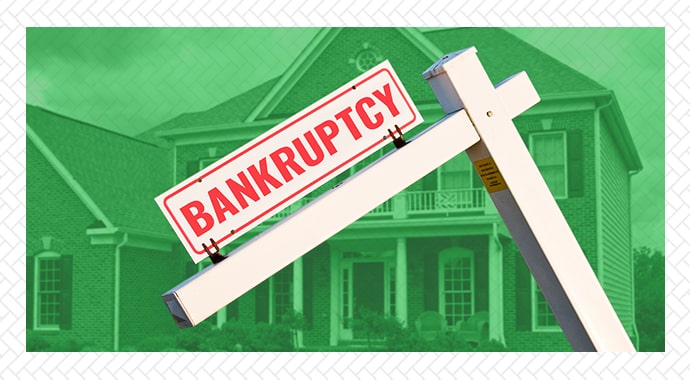
Absolutely, you can sell your house before filing any type of bankruptcy, including Chapter 7. In fact, before filing for bankruptcy is generally the most advantageous time for you to sell your property.
What Is Chapter 7 Bankruptcy?
A Chapter 7 filing is done when your assets and your income can’t cover the debts you owe and you need legal relief from your creditors. It’s the most common type of personal bankruptcy filing.
Chapter 7 bankruptcy is a way for homeowners to file in federal court to eliminate most non-exempt personal debt.
The definition of “non-exempt” differs in each state. As a general rule, the assets that aren’t necessary for living or for your employment are considered non-exempt and will be liquidated to pay debt.
Certain unsecured debt such as federal income tax liens, student loan debt, and overdue child support cannot be eliminated by the bankruptcy filing.
Your unsecured creditors can agree to accept less than what you owe, and the cash from the liquidation of your assets will be used to pay those reduced debts.
3 Advantages to Selling Before Filing for Bankruptcy
#1 Stopping the Cash Drain
Selling your property eliminates the monthly cycle of missing mortgage payments, lender late fee charges, and accumulating interest on the absent payment, assessed penalties, and late fees.
#2 Preserving Credit
Moving quickly to sell a house with some equity gives you cash to pay off, or at least pay down, some debt so you have fewer encumbrances and liens when you enter a Chapter 7 bankruptcy filing.
It might even allow you to skip the filing altogether when you have enough equity that has built up in the property to pay down your debt.
A bankruptcy case stays with you for 10 years, so avoiding filing for Chapter 7 keeps that major ding from appearing on your credit report.
Lenders and banks will deny you future credit, and when you do locate someone to extend credit, you’ll pay higher interests and fees after a Chapter 7 filing appears on your credit report.
Mortgage lenders may deny you credit for up to 7 years after your bankruptcy discharge.
#3 Removing Greatest Debt
Home mortgages and property taxes typically are the most significant debt for homeowners.
Selling a home before bankruptcy will remove the remaining mortgage balance payments, property tax, association dues, and the cost of property upkeep.
If other living arrangements are available, or when you can rent or downsize from a large mortgage debt to a smaller one, you might be able to sell your house fast and not need to file for bankruptcy.
Selling Caveat
There’s one caution to selling your house when you plan to file for Chapter 7.
Unless you’ve used the proceeds from the property sale to live and pay other debts, you may be at risk for fraud charges when your court-appointed bankruptcy trustee looks over your financial history when you do file Chapter 7 relief.
An example of this would be selling your residence and then hiding those proceeds in a secret bank account to avoid debtors.
If you sell your home before filing for Chapter 7 bankruptcy, make sure your state offers a homestead exemption for sale proceeds. Otherwise, those proceeds may not be protected.
Hiring an experienced bankruptcy attorney and working with a professional real estate cash buyer can aid you in selling your home in a way that avoids any action that might later be looked at as attempted fraud.
You may qualify to sell your current residence and downsize to a less expensive property when you sell and buy within a specified period, typically six months of filing for debt relief.
Let’s now consider what happens when you’ve already filed for debt relief.
Can I Sell My House After Filing Chapter 7
You can sell your house while in Chapter 7 bankruptcy, but only when the court gives you the permission to do so (the same goes for selling a house in Chapter 13 bankruptcy).
Here are the general steps in a Chapter 7 filing:
- You’ll complete credit counseling, organize your financial documents, and then file with the federal court and pay the required fees.
- You’re required to submit an inventory of assets and debts to the trustee.
- The court-appointed trustee will then determine your exempt and non-exempt assets by using your legal forms and your inventory. Your state law helps determine the definition of “non-exempt asset.”
- You and your local bankruptcy attorney will meet with your trustee and your creditors to develop a liquidation plan.
- Your non-exempt assets will be sold to pay your debts. This step may include selling your house during bankruptcy. You may have an opportunity to present a sales offer from an investor at this step in the liquidation process. The bankruptcy court must approve this sale.
- You’ll then be required to complete a financial education course.
- You’ll receive a discharge that relieves you from most of the debt still owing after payments from the proceeds of your assets. Some debt cannot be removed by a bankruptcy filing. Student loan debt, for example, can’t be discharged.
Can I Sell My House After Chapter 7 Discharge?
The answer to this question is simple: yes, you can sell your home after Chapter 7 discharge.
Once the court has discharged the bankruptcy, you are the legal owner of the property (if it hasn’t been sold to pay your debt off), and you can sell at any time under Chapter 7 rules.
How Soon After Chapter 7 Can I Sell My House?

Answering the question, “How long after Chapter 7 can you sell your house?” depends on where you are in the Chapter 7 bankruptcy process.
If you haven’t been discharged, the court determines if you can sell and when. If your debt has been discharged, you can sell at any time.
The Easiest Way to Sell a House in a Bankruptcy Situation

When you’re currently in bankruptcy, or facing a looming financial crisis that might lead to filing, the fastest and easiest way to sell your house is to sell it to a professional cash property buyer – a real estate investor. And you can do it by using our website.
We have an online network of reputable property investors who have cash and have an extensive record of buying houses and closing on them quickly.
Once you complete a short online form that asks a few simple questions about your property, we’ll share your request with investors that buy houses like yours and in your area.
In a matter of days, or in some cases in only a few hours, you’ll be contacted by an investor to set up a mutually agreeable time to tour your home.
Once that’s done, you’ll receive an all cash-offer to review. There’s no fee or any other obligation for this service, and you’re free to accept or turn down any offer.
Benefits of Selling Your Property to an Investor in Chapter 7
Selling your house to an investor before, during, or after a Chapter 7 bankruptcy filing has significant advantages:
- The partnering investors on our web platform pay with cash. You don’t have to worry that your buyer won’t qualify for a mortgage to purchase your property.
- Investor transactions are speedy. Cash allows escrow to close quickly. Cash buyers also don’t like to waste time: they’ll immediately complete their sales duties so they can begin rehabbing or repairing your property to rent or resell to others as soon as possible.
- You’ll skip paying home seller closing costs. Investors typically cover their escrow fees and also the seller’s closing expenses.
- You won’t have to use a real estate agent, so there aren’t any commissions to be paid to a brokerage. You’ll avoid the cost of selling a house with a realtor.
- Unlike many traditional buyers, cash investors purchase property as is. If you are selling a house in poor condition, you aren’t expected to lay out cash up front to fix material defects before closing.
- There are no complicated contract negotiations, hassles over inspection reports, or sweating lender appraisals in an investor transaction. You’ll also have only a minimal amount of legal paperwork to complete.
How It Works
When you want to sell your property to a cash investor, you need to do only a few simple steps.
- Request a cash offer by using the HouseCashin website. We’ll relay your request to our network of pre-screened local investors.
- Set up a property walkthrough with the experienced investors who contact you.
- Receive your offers and determine if any meet your specific needs and price point. There’s no obligation to accept any offer, and requesting the offers is free.
- Submit the offer you select to the court-appointed trustee, when you’re currently in Chapter 7 relief. A hearing will be held to approve or decline a sale to that investor.
The court will typically ask for several independent home appraisals to ensure you’re receiving fair terms and a market-value price for the property. If you haven’t filed for federal bankruptcy, then you can omit all these steps.
- Sign a sales contract, and your investor will open escrow with a local company that has experience working with investors and court trustees.
- Sign the final paperwork, have the cash buyer pay your closing costs, and turn over your keys to the new owner. That’s it. You can even leave items you don’t want in the house!
- If you’re in a Chapter 7 bankruptcy liquidation, the escrow firm will submit final closing documents to the court to confirm the terms of the bankruptcy were met in the sale.
Get cash offers from the pre-screened investors partnering with us to sell before, during, or after a Chapter 7 bankruptcy filing. Contact us today to get the process started.
