
Selling a Home As Is in West Virginia (A-to-Z Guide)
Even though the information on this web page is provided by a qualified industry expert, it should not be considered as legal, tax, financial or investment advice. Since every individual’s situation is unique, a qualified professional should be consulted before making financial decisions.
This guide offers the answers to questions for West Virginia homeowners who want to sell a home as is.
We’ll define the term ‘as is condition’, walk you through the state disclosure laws, and then introduce three ways to sell with the advantages and disadvantages for each option.
Let’s get started by defining ‘as is’.
What Does It Mean to Sell a House As Is in West Virginia?
When a seller offers a home in the Mountain State in ‘as is condition’, it means they have no intention of doing anything before the sale.
There will be no repairs, modifications, or rehabbing done on the house. The buyer accepts the property as found, defects and all.
West Virginia sales contracts don’t have a specific ‘as is’ condition clause, but adding language to the listing and the sales contract can achieve the same goal of selling without doing any repairs to the property.
Can You Sell a House As Is in West Virginia?

Yes, you can sell a home ‘as is’ in West Virginia.
Even when the house has been tagged as “uninhabitable” or “condemned”, you can still sell the property to a buyer, just not for a personal residence.
In the next segments of this guide, we’ll answer the question, “How does selling a house ‘as is’ work in West Virginia?” in detail.
What Do West Virginia Real Estate Disclosure Laws Require?
When you sell a West Virginia house in ‘as is’ condition, you must be transparent about any material defect you know about the property.
Material defects are anything that seriously impacts the residents’ health or safety, and also any problems that reduce the value of the property.
Sellers in the Mountain State aren’t required to complete a written property disclosure, not even for an ‘as is’ sale.
West Virginia is a “caveat emptor” state — that means the buyer must beware. The buyer is alone in the discovery of problems with the home for sale.
Property buyers are encouraged to hire professional inspectors to examine the house and evaluate the formal reports identifying any material defects.
Sellers using the services of Realtors, members of the National Association of Realtors, are encouraged to complete the state association disclosure and share that form with potential buyers, but it’s not mandated under West Virginia law.
The voluntary disclosure asks sellers to share the presence of any “hazardous or regulated materials”.
Property owners selling a home with asbestos, lead pipes, radon, or indoor mold need to list these defects under that question.
Owners selling a house with septic system failure don’t need to disclose prior failures, but the voluntary form asks if the current system is functioning properly. It also asks the property owners to list the date of the last pumping.
While selling a house with fire damage isn’t a question on the disclosure, water damage is. Any damage from fire could be included under the “Other Material Defects” and “Other Structural Systems” questions.
Bed bugs aren’t listed on the voluntary disclosure form, but selling a house with termite damage is a question. Sellers should share known wood-destroying insect infestations and any damages they’ve caused.
Selling a house in a flood zone, a property with foundation issues, and one with unpermitted work are also questions on the optional disclosure form.
Selling a house with polybutylene pipes and hydraulic fracturing, known as fracking, aren’t listed on the disclosure. Haunted houses aren’t included on the voluntary form either.
Any known suicides or murders, use of illegal drugs, including a home methamphetamine lab or the use of the house for criminal activity should be listed on the disclosure for the seller to be transparent with prospective buyers.
Selling a house in West Virginia that was constructed before 1978 requires homeowners to complete a federal lead paint disclosure, as well as disclosing the presence of lead paint on the voluntary Realtor disclosure form.
You can leave stuff behind when you sell your West Virginia house ‘as is’ when both buyer and seller agree to those terms on the sales contract.
Should I Sell My House As Is in West Virginia?
The next important question you’ll need to consider is, “Should you sell your West Virginia house ‘as is’ or fix it up?”
The answer to that question involves a number of personal considerations, but weighing the pros and cons of an ‘as is’ sale can help you come to a decision.
Why sell a West Virginia house ‘as is’?
Pros of Selling Your House As Is
- An ‘as is’ sale helps you avoid spending time and effort to find a repair person and then the need to supervise the work on your house. You also won’t pay the costs for these repairs.
- Your transaction will move faster when you sell ‘as is’, particularly if you sell your property to a West Virginia cash house buyer. Cash sales skip the mortgage applications, appraisals, and the wait for underwriters to make final approval on a loan.
- When a buyer hires a West Virginia home inspector, the seller must deal with requests to repair or replace faulty equipment or deal with any of the problems identified on the inspector’s report. Most ‘as is’ buyers skip these professional inspections. That saves the seller time and money.
- You can leave your stuff behind and avoid any cleaning duties with many ‘as is’ buyers. That can save considerable time and expense.
- You’ll avoid paying mortgage interest, utilities, any HOA dues, and property tax while doing repairs. Those are all expenses that add to your costs of selling.
Cons of Selling Your House As Is
- Fixers generally don’t sell for the same price as turnkey properties. ‘As is’ buyers deduct the cost of the home repairs from the value of the property, and that impacts the price they offer when buying. Understanding the estimated closing costs for sellers helps you decide if an offer is competitive.
- ‘As is’ buyers are specialized buyers. Most people don’t want to repair a home, so your buyer pool will automatically be limited with an ‘as is’ listing.
Once you’ve made the decision to sell as a fixer, the next question to ask is, “How do I go about selling my house ‘as is’ in West Virginia?”
Let’s start with discussing selling your home to a cash real estate buyer in West Virginia.
How to Sell a House As Is By Owner Without an Agent in West Virginia
How to Sell a House As Is, Fast and For Cash Directly to an Investor
Who Are Cash House Buyers?
Professional cash house buyers are companies and individuals who invest in real property.
Rather than borrowing money from banks to buy homes, they use their own cash or financing from private lenders.
Investors can obtain cash much quicker from those sources compared with taking out a traditional mortgage from a bank or credit union.
They buy investment homes in West Virginia that need repair. The cash investor then updates or repairs the property to resell it (known as a “flip”) to other buyers.
Real estate investors in West Virginia also specialize in buying rental properties as a primary business focus.
When you are selling your house to an investor, the cash buyer often handles the details of the sale without involving a real estate agent.
Cash house investors look for:
- heirs selling a house while in probate
- property owners selling a house that needs work
- married couples selling a home during divorce
- seniors looking to downsize to a smaller house
- transferred workers selling a house for job relocation
- homeowners selling a home during a foreclosure
- owners selling a house when owing back taxes
Investors typically work with local West Virginia investor-friendly title companies with experience in closing cash sales.
Pros of Selling Your House As Is Directly to an Investor
- A cash house buyer typically offers a fast closing. They have experience paying cash to buy homes and can avoid common selling and escrow missteps.
- With a cash sale, you skip house appraisals and the time needed for underwriters to approve a mortgage loan. Investors also often skip doing any professional inspections.
- You’ll avoid real estate agent commissions when you and the investor both forgo the use of professional real estate services. Commissions run 2.5-6% of the sales price!
- Investors usually pay both buyer and seller closing costs. That’s another major savings.
Cons of Selling Your House As Is Directly to an Investor
- Cash investors generally don’t offer market value for your property because they need to make repairs, pay your closing costs, and make a profit on the resale after buying and fixing it.
Finding the Best Cash House Buying Company
A simple online search by using the following phrases will present you with a number of cash buying companies serving your area.
- we buy houses in Huntington WV
- sell my house fast Huntington WV
- cash house buyers Huntington WV
- sell my house for cash Huntington WV
- iBuyer companies Huntington WV
Once you’ve found a number of potential companies or individual investors, vet them to find at least three with the experience and a record of successful home purchases.
You can research the people and companies on your list in a number of ways.
How to Choose an Ethical Investor?
The company’s site should include an “About Us” page. Look for information about the investors and for a resume of cash buying experience on that page.
If that information isn’t available on the website, it’s time to move on to other investors. Reputable investors are transparent about sharing those details.
Another place to research investors is to use the local branch of the Better Business Bureau (BBB) website for West Virginia.
Next stop to research should be the online consumer websites to look for complaints about any of your prospective investors.
If you find valid complaints on these websites, eliminate those names from your list of cash buyer prospects.
If you don’t want to spend the time and effort screening professional buyers yourself, you can always request cash offers from the partnering cash investors working with HouseCashin.
HouseCashin prescreens and vets its partnering companies and cash buyers and refers your request for an offer to investors for you. Request your cash offers now.
The next segment of this guide explores the question,”What happens when you sell your house ‘as is’ in West Virginia yourself?”
How to Sell a House As Is by Listing It by Owner
Selling a house by yourself is known as an FSBO (for sale by owner).
When listing your property on your own, a great way to start is to find your house value by address. This gives you an approximate understanding of what your home is worth based on its location.
But a more accurate appraisal is done by a real estate appraiser. Or, hire a Realtor just to do research for you and provide you with their analysis, at a fixed fee. In this case, they won’t charge you a commission based on your property price.
With that sorted out, you’re ready to handle the marketing side of the selling process. Locating a buyer is one of the most difficult tasks for people selling a house in West Virginia without professional real estate assistance.
Where Can You List a House For Sale by Owner?
One way to market your property is by using the internet. There are a number of websites to advertise for sale by owner. Most are free, but some charge a fee either for listing or for specific services.
A common method to attract buyers is to put a sign on your home. This may work, but only if your property is on a heavily trafficked route.
Creating a property flier to share with neighbors and area businesses may also entice potential buyers who have friends or relatives living nearby, or when the potential buyer is employed at a local firm.
Pros of Selling Your House by Listing It by Owner
- Real estate brokerages charge 2.5-6% of the final sales price. The commission is negotiable, but it’s still a hefty fee for the agent’s services. You’ll avoid commission fees when you sell as an FSBO.
- You are the boss of everything related to the sale when you sell your house by yourself. You can determine the deadlines and negotiate all the details of your home sale.
- An agent has numerous clients to represent. You have only one property, and you can devote all your time and energy to marketing and getting it sold.
Cons of Selling Your House by Listing It by Owner
- You’ll need to be expert at working with lenders to sell your house, since most buyers will need a mortgage to purchase your property and lenders avoid issuing loans on homes in need of serious repairs.
- You won’t have a trained real estate professional to back you up. You’ll need to understand property contract law, the elements of escrow and how to price, market, and negotiate a deal to sell your house. It helps to understand the closing costs when selling a home by owner. This knowledge will assist you in handling escrow issues.
- You’ll undoubtedly make some mistakes, and without the knowledge of a professional broker, your mistakes could be major. You may even end up in court if you make an error.
How to Sell a House As Is in West Virginia with an Agent
Who Are Real Estate Agents?
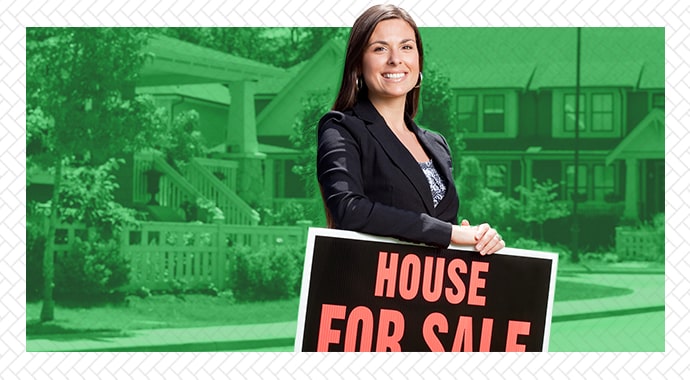
Real estate agents assist owners in selling homes by marketing them to potential buyers and overseeing all other aspects of the sale.
Agents are licensed by the state, and as part of that licensing requirement, the agent must undergo training and take coursework.
Professionals using the title “Realtor” are members of the local branch of the real estate trade group known as the National Association of Realtors (NAR).
The NAR and the associated local branches enforce ethical standards in the real estate industry. Members take an oath to adhere to ethical practices when operating as an agent.
Pros of Selling Your House As Is with a Real Estate Agent
- Realtors use proprietary local data to assist you in pricing your home. This information includes things like square footage, condition of the property, features, and finishes. It helps you set an aggressive price, but one that will still attract prospective buyers.
- Real estate agents have the necessary sales training and local marketing experience to represent you. They are your fiduciary and will put your needs above all others.
Cons of Selling Your House As Is with a Real Estate Agent
- The average Realtor cost to sell a home is the largest portion of the closing costs in West Virginia. The commission you’ll pay when using an agent runs 2.5-6% of the closing price of the sales transaction. These fees are negotiated when you sign a listing contract, and they will vary with the type of property, services you request, and the geographic location of the home.
- Successful agents have a number of clients, and you’ll be one of many they must work with on any one day. When your house is also a fixer, you may receive less attention from agents, since most buyers look to purchase turnkey properties.
- Real estate agents work with the general public, and most buyers need mortgages to purchase a property. This fact anchors you to a slower escrow period because your buyers will need to locate a loan and apply, and then qualify for that mortgage. Your property will also undergo an appraisal by that lender. This delays your sale and also presents a risk that your buyer or your house might not meet the lender’s qualifying standards.
How to Choose an Ethical Real Estate Agent?
Locating an ethical real estate professional takes time and effort.
The first step in the process is to identify local agents who have expertise in marketing ‘as is’ properties and also agents who know your local market.
Then you’ll need to narrow your list of agents down to those who have a successful sales record. Can they locate buyers and close the sale on your house in a timely manner?
Once you have that list, the real research begins.
Start by checking state real estate licensing resources to ensure your agent has a valid and active license to represent you.
Then check for any formal disciplinary action taken by the state against the agents on your list.
The local branch of the West Virginia Association of Realtors can also assist in weeding out agents who have been reprimanded or fined by their agency for failing to meet their Realtor’s oath.
After you’ve used these resources, check the local Better Business Bureau (BBB) website. Any complaints against local agents will be available there.
The last step includes inviting at least three of the agents still on your list for an interview at your property. Ask them to bring their professional portfolio and a marketing plan for your property.
Once you’ve completed the interviews, select the agent you feel most comfortable and can easily communicate with.
