
Selling a Home As Is in Washington (A-to-Z Guide)
Even though the information on this web page is provided by a qualified industry expert, it should not be considered as legal, tax, financial or investment advice. Since every individual’s situation is unique, a qualified professional should be consulted before making financial decisions.
Answering the question, “How to sell a Washington house in ‘as is’ condition” is the focus of this article.
We’ll cover what happens when you sell your house ‘as is’ in Washington after defining the term ‘as is condition’.
We also explore the different ways to list a house, as well as the advantages and disadvantages of each one.
Let’s start off by defining the term ‘as is’.
What Does It Mean to Sell a House As Is in Washington?

A property listing in ‘as is’ condition in Washington State means the seller isn’t going to alter, repair, or replace anything in the home for sale.
The seller also won’t pay the costs to fix or replace items in the house.
While Washington State sales contracts don’t have a traditional ‘as is’ condition clause, buyers and sellers have the option of using either a long- or short-contract form for the transaction.
The short form facilitates an ‘as is’ sale.
Can You Sell a House As Is in Washington?

You can sell a home ‘as is’ in Washington. ‘As is’ sellers must share a property condition disclosure with buyers. The buyer can then sign a formal written document accepting the house in the current condition.
‘As is’ buyers can also present an offer by using the state-approved short form that requires less information about the condition from the seller.
Homeowners must allow buyers access to the home for property inspections.
How does selling a house ‘as is’ work in Washington? The first step is to complete a property disclosure statement and provide it to potential buyers.
What Do Washington Real Estate Disclosure Laws Require?
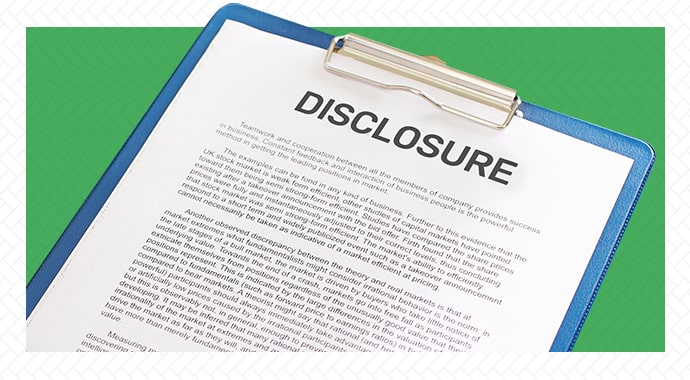
Sellers in Washington State must complete a standard property disclosure detailing any material defects and risks to health and safety at the listed property.
This form must be given to prospective buyers or their real estate agent.
Buyers, however, can agree to rescind this disclosure agreement with a written, signed statement.
Selling a home with asbestos, radon, lead pipes, or mold requires the homeowner to share this information with potential buyers.
Homeowners selling a house with a failed septic system or one with foundation issues also need to identify these problems on the disclosure form.
The form asks a homeowner selling a house with unpermitted work on structural elements to disclose those changes.
The alterations may have been done by prior owners, but they still need to be disclosed.
A question on the form asks owners selling a house with fire damage or water damage to be transparent about it — even when it has been repaired.
Owners selling a house with termite damage or damage from other wood-eating insects must list the date the house was professionally inspected on the form.
The form does not specifically ask about bed bug infestations.
Selling a house in a flood zone needs to be noted on the disclosure form.
The disclosure doesn’t ask homeowners about the presence of polybutylene pipes or hydraulic fracturing (fracking), but if either condition impacts the water supply to the home, it must be disclosed.
Haunted houses aren’t mentioned on the state disclosure form.
Federal law requires sellers of any house built before 1978 to complete a lead paint disclosure. Washington State disclosure forms also ask the seller to disclose the presence of lead paint.
You can leave stuff behind when you sell your Washington house ‘as is’ if you itemize the things you’re leaving on the sales contract. The buyer must also agree to those terms.
The next step to selling a house in the Evergreen State is to decide if you want to repair items or simply list your house for sale as a fixer.
Should I Sell My House As Is in Washington?

“Should you sell your Washington house ‘as is’ or fix it up?” This is a question that you’ll need to take time to seriously consider.
Do you have the time to complete the repairs? Can you locate competent contractors to do the job? Wrangling workers, even when you aren’t doing the repairs yourself, takes time.
Considering the pros and cons can help you make up your mind about taking on the job of repairs.
Why sell a Washington house ‘as is’? Here are a few reasons.
Pros of Selling Your House As Is
- Locating contractors to repair items is a hassle, particularly when you want your sale to close quickly. You’ll eliminate this chore when selling ‘as is’. You’ll also avoid paying for these repairs.
- ‘As is’ sales typically move quickly, particularly when the transaction involves a cash house buying company in Washington. You won’t need to wait for repairs to be completed.
- Home buyers typically hire a real estate inspector in Washington to examine the house and identify any problems. Selling your house ‘as is’ allows you to skip the nitpicking over what you will repair and what you won’t. Buyers are on their own to replace or repair any defects in the house with an ‘as is’ listing.
- Eliminating inspections means you’re not on the hook to share those reports with other potential buyers.
- Most ‘as is’ buyers allow you to simply walk away without cleaning out the house. This saves considerable time and expense.
- Many sellers ignore the everyday costs of maintaining a home during the repair period. Paying the mortgage interest, utilities, any homeowner association dues, and property taxes during the repair times reduces your profits from your sale. When you consider these costs and fees, it might be to your advantage to sell ‘as is’.
Cons of Selling Your House As Is
- Fixers generally don’t sell for the same price as turnkey properties. ‘As is’ buyers deduct the cost of the home repairs and compensation for the time spent on them from the price they offer. Understanding the estimated closing costs for sellers helps you decide if an offer is competitive.
- Your buyer pool is limited when selling as a fixer. Most traditional buyers aren’t interested in buying a home that needs repairs. Real estate investors, however, look for fixers to repair (we’ll talk about them soon).
“So how do I go about selling my house ‘as is’ in Washington?”
The next step is to determine the sales method that best suits your needs. Let’s start with discussing selling your Washington home to a cash real estate buyer in Washington.
How to Sell a House As Is By Owner Without an Agent in Washington

How to Sell a House As Is, Fast and For Cash Directly to an Investor
Who Are Cash House Buyers?
Cash house buyers focus on buying properties as investments. These investors can be individuals or companies who buy investment homes in Washington and rent them out.
Besides buying rental properties, some real estate investors in Washington repair a house to remodel and sell it at a profit.
To minimize expenses, cash buyers typically handle purchases and sales without using a realtor.
One of the benefits of selling your home to a real estate investor is a speedy sale, and this is attractive to a number of people, including:
- heirs selling a house after probate
- owners selling a house in poor condition
- couples selling a home before or after divorce
- empty nesters looking to downsize
- workers selling a house for job relocation
- homeowners selling a house when facing a bank foreclosure
- owners selling a house with a tax lien
Your sale to an investor will typically be processed by a Washington investor-friendly title company that has experience in cash sales and with investor buyers.
There are a number of benefits when selling to an investor.
Pros of Selling Your House As Is Directly to an Investor
- Selling to a cash house buyer means a rapid closing.
- Cash buyers don’t have a waiting period for loan applications, appraisals, or loan underwriting approvals. That saves time and energy for the seller. There’s no need to make appointments with appraisers to move the sale forward in escrow.
- Washington real estate agents earn approximately between 5-6% of the selling price. The commission is typically split between both buyer and seller. You’ll avoid your half of this commission when you sell directly to an investor.
- Cash buyers usually pay both buyer’s and seller’s closing costs. That saves money on all the filing, transfer and legal fees required by the local and county governments.
You’ll need to balance those advantages with a few disadvantages to an investor sale.
Cons of Selling Your House As Is Directly to an Investor
- Investors usually don’t pay market price for your property. They’ll reduce their offers by the amount to repair. They’ll also add a profit for their time and effort to do the repairs and the sale.
- You won’t have a real estate professional to protect your best interests when you sell to an investor. While an investor has experience in the field, they won’t stay in business long if they aren’t ethical. You can protect yourself by thoroughly researching prospective investors.
Finding the Best Cash House Buying Company
You can locate a number of cash house buyer companies by using your internet browser to search by using terms like these suggestions:
- we buy houses in Seattle WA
- sell my house fast in Seattle WA
- cash house buyers in Seattle WA
- sell my house for cash in Seattle WA
- iBuyer companies in Seattle WA
If you live in a small town or unincorporated village, search by using the city closest to your property. This will give you a host of local investors.
How to Choose an Ethical Investor?
It’s worth your time to do some basic research before reaching out for a cash offer from an investor.
Check online consumer websites to see if any complaints have been registered there against any of the investors on your list of prospects.
The Better Business Bureau (BBB) operates local branches that host websites where formal complaints against local businesses can be posted.
Look at the BBB website for complaints against your prospective investors.
However, the easiest way is requesting a cash offer from HouseCashin. By submitting a quick online form, you’ll have your request sent to up to five investors at once. They are vetted and screened by HouseCashin.
Request your cash offers now and then compare them to choose the best.
The next sales option to consider is to go it alone and market your house yourself to non-investor buyers.
How to Sell a House As Is by Listing It by Owner
Selling a house in Washington yourself means you’ll take on the job to promote your house to prospective buyers. The more exposure, the more chance you’ll attract interested buyers for your property.
But before you start advertising your home as a FSBO listing, taking the time to calculate your home’s value is one of the smartest moves you can make.
Knowing this number helps you set a competitive asking price, attract serious buyers, and avoid overpricing or undervaluing your property.
You can research market trends, use online valuation tools, or compare similar homes in your area to get a clear idea. After setting a fair price for your property, you can then come up with the best strategies for marketing your home for sale.
Where Can You List a House For Sale by Owner?
Listing your house on multiple real estate ‘for sale by owner’ websites is an excellent way to quickly have a number of eyes on your listing. Most of the websites are free to list, but some require a minimal fee to post.
The easiest way to list your house is to put a sign either on the lawn or in a window.
This works well in highly trafficked areas, but might not attract many eyes if you don’t have auto or foot traffic by your listing.
Pros of Selling Your House by Listing It by Owner
- Washington real estate commissions average 5.25%. As a seller, you’ll pay half that figure based on the home’s selling price when using a Realtor. Representing yourself saves you approximately half of that figure.
- You are in charge of everything related to your sale when you serve as your own representative. You can decide the terms of the listing and sale, and how you want to market your house.
- Unlike agents who have a number of listings to market, you have only one — your house. You can spend your time marketing your listing only, and that may mean you sell much faster compared to waiting on an agent.
Cons of Selling Your House by Listing It by Owner
- Most traditional buyers need mortgage loans to purchase your house. Loans take time for the applications, appraisals, and underwriting approvals. You’ll need to wait for your buyer to complete this process, and that means weeks of waiting.
- You won’t have professional representation when selling your house by yourself. You’ll need to be your own fiduciary.
- Working without professional help leaves you open to potential mistakes. These can delay your transaction. They may even put you in court when an unhappy buyer decides to sue you for an error — even when it’s an unintentional mistake.
- Your FSBO closing costs will still include the buyer’s agent commission, even though you aren’t using an agent yourself.
The next sales avenue is to list with a real estate professional.
How to Sell a House As Is in Washington with an Agent

Who Are Real Estate Agents?
Real estate agents are licensed tradespeople who assist people in buying and selling property.
Sellers’ agents assist with the legal paperwork involved in a transaction. Sellers’ agents list, market the property, and guide the homeowner in completing all the required tasks to close a sale.
Your agent takes an oath to put you first in the transaction. They’re licensed by the state, and work under the supervision of a licensed broker who directs the real estate brokerage.
Agents using the title “Realtor” are members of the professional group — Washington Realtors.
Evergreen State Realtors are members of the local board associated with the National Association of Realtors (NAR).
The NAR is a collection of real estate agents and brokers organized to promote ethics and professionalism in the real estate industry.
Pros of Selling Your House As Is with a Real Estate Agent
- Realtors offer an invaluable service for home pricing. Brokerages have access to a database that collects and lists prior home sales. This inventory allows agents and sellers to set a competitive price for a property.
- Real estate agents take an oath to be your fiduciary. That means they put your interests first in a real estate transaction.
Cons of Selling Your House As Is with a Real Estate Agent
- Washington real estate commissions are negotiated, but sellers typically pay 2.5-3% of the sales price. The cost of selling a house with a Realtor is the most significant portion of the seller’s closing costs in Washington.
- ‘As is’ listings generally take longer to market and sell because the buyer pool is limited. Your agent has many clients and listings, so they may not spend as much time and effort on your fixer compared to other listings that have more potential for a quick sale.
- Real estate agents typically have clients who need a loan to purchase your house. That means waiting for the buyer to qualify for a loan, and for the property to appraise. This can take weeks to complete.
How to Choose an Ethical Real Estate Agent?
There are a number of agents in Washington State, but how do you find a high-quality professional and avoid negative fraud or other unscrupulous behavior on their part?
Start by asking friends, family, and neighbors for agent recommendations. Filter those to find agents who have experience in listing and marketing fixers.
The local Board of Realtors supervises the agents in your area. Check with the local board for any complaints, fines, or license suspensions filed against your prospective agent.
The local branch of the Better Business Bureau (BBB) also records complaints from unhappy clients of real estate agents.
Consult the BBB to research any complaints filed against the agents on your prospect list.
Make a sweep of the internet consumer sites to locate any comments about your agent pool.
If you’re seeing negative comments, especially if they’re repeated, it’s time to eliminate that agent from your consideration.
We’ve covered the details of selling a fixer in Washington State. You have the details of the disclosure requirement, avenues to list, and the pros and cons of each option.
It’s now time to list ‘as is’ or do the repairs, and make the move to sell your house.
