
Selling a Home As Is in Maine (A-to-Z Guide)
Even though the information on this web page is provided by a qualified industry expert, it should not be considered as legal, tax, financial or investment advice. Since every individual’s situation is unique, a qualified professional should be consulted before making financial decisions.
In this article, we explore how to sell a Maine house in ‘as is’ condition.
We’ll start by defining the term ‘as is’, then cover the ways to list a house in the Pine Tree State, and, finally, present the advantages and disadvantages of each approach to selling.
Before we get into the details of what happens when you sell your house ‘as is’ in Maine, let’s define some terms.
What Does It Mean to Sell a House As Is in Maine?

An ‘as is’ residential home listing means the seller doesn’t want to be responsible for any repairs for the property. They also aren’t interested in paying for any repairs.
Buyers purchase an ‘as is’ property exactly as they see it on the day of the offer.
Standardized real estate contracts used by Realtors in Maine don’t include an ‘as is’ condition clause.
Can You Sell a House As Is in Maine?

Yes, you can sell a home ‘as is’ in Maine. But how does selling a house ‘as is’ work in Maine?
The first step in listing a residential property in Maine is to fill out the required property disclosure. Below, we’ll discuss what it should include.
What Do Maine Real Estate Disclosure Laws Require?
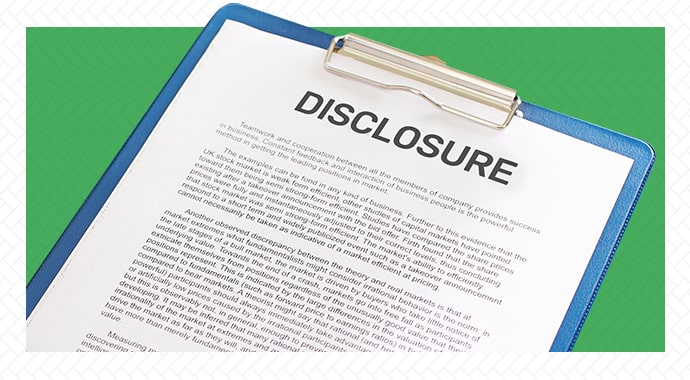
Title 33, Chapter 7, 1-A of Maine’s legal code requires sellers to complete a residential property disclosure when conveying real property.
Selling a home with asbestos or radon (air- or water-borne) requires sellers to disclose those conditions.
Homeowners selling a house constructed prior to 1978 must complete a federal lead paint disclosure, and also note the presence on the state property disclosure.
Lead paint poses a health risk to children, and buyers must also be given a federal pamphlet that outlines the ways to mitigate the dangers.
Selling a house with mold requires disclosure. Any other things that risk the new buyer’s health and safety also need to be disclosed under the “Other Hazardous Materials” category.
Selling a house that has been exposed to methamphetamine production must include that detail on the property disclosure.
Selling a house with septic system failure, as well as the details of the installation of the leach field, the most recent servicing, and any tank malfunctions, are all required disclosure information.
Homeowners selling a house with foundation issues or unpermitted work need to disclose the problems and provide details of the flaws on the disclosure.
You can leave stuff behind when you sell your Maine house ‘as is’, as long as you disclose what’s being left on the purchase contract and the buyer agrees to accept the items.
The contract requires the seller to itemize the contents and specifies that they’re in ‘as is’ condition and left at no additional cost to the buyer.
Owners selling a house with fire damage or water damage must disclose that damage.
If you’re selling a house with termite damage and other insect infestation within the past five years, you need to disclose that information to the new buyers.
Any work done to repair termite damage also needs to be disclosed. Bed bug infestations aren’t specifically listed on the homeowner’s property disclosure.
The Maine property disclosure doesn’t mention a requirement to disclose a haunted house or selling a house with lead pipes or polybutylene pipes.
Homeowners selling a house in a flood zone need to disclose that risk.
Should I Sell My House As Is in Maine?

The first important question you’ll need to answer before listing your house for sale is, “Should you sell your Maine house ‘as is’ or fix it up?”
That’s a complex question that can be answered after weighing the advantages and disadvantages of each option.
Why sell a Maine house ‘as is’? There are a number of advantages to it.
Pros of Selling Your House As Is
- When you sell ‘as is’, you’ll skip the hassle of fixing or finding someone to do the repairs. You’ll also avoid paying the labor costs and the cost for construction materials.
- Skipping the repairs means you can start marketing your house immediately. This eliminates the wait time while making repairs. During the repair period, you’ll be paying utility bills, mortgage interest, any homeowner association fees, and property taxes. A speedy sale reduces these costs for the seller.
- A report from a Maine home inspector means a list of items that need repair or replacement. Most ‘as is’ buyers skip these professional inspections. You’ll avoid the nitpicky negotiations that are required when selling to buyers who expect turnkey properties.
- You won’t need to share any reports by Maine home inspectors with other prospective buyers. Skipping these inspections is an advantage for the home seller.
- You can leave your stuff behind and avoid any cleaning duties with many ‘as is’ buyers. A Maine cash house buyer typically allows sellers to leave items behind and skip the cleaning.
Cons of Selling Your House As Is
- You won’t receive the same price for your property compared with turnkey properties. Together with estimated closing costs for sellers, it may be a considerable loss.
- Your buyer pool is limited with an ‘as is’ sale. Most buyers don’t want fixers, but there is a group of buyers who look specifically for fixers. Property investors buy such homes to repair and resell or use as rental properties.
“How do I go about selling my house ‘as is’ in Maine?” There are several ways to list your house for sale in the Pine Tree State.
Let’s begin with a sale to a cash real estate buyer in Maine.
How to Sell a House As Is By Owner Without an Agent in Maine
How to Sell a House As Is, Fast and For Cash Directly to an Investor
Who Are Cash House Buyers?
Cash house buyers invest in real estate. They may be a single investor or a group of investors pooling cash to purchase properties. Some hedge funds also invest in real estate.
Investors don’t necessarily have personal cash to purchase, but instead they’ll finance a loan through private lenders.
Private loans skip a number of steps required by banks and savings and loans. These private loans move quickly to fund so investors can close sales fast.
Cash house buyers buy investment homes in Maine to update or repair, and then flip (resell) to other buyers. Some real estate investors in Maine also focus their businesses on buying rental houses.
When you sell your house to an investor, it’s generally a rapid sale. Cash house buyers look for sellers who need a quick transaction, including:
- families selling a home in probate
- owners selling a damaged house
- married couples selling a marital house during divorce
- seniors looking to downsize
- transferred workers selling a house for job relocation
- homeowners facing foreclosure
- owners selling a house with a tax lien
Cash house buyers work with local investor-friendly title companies in Maine. These firms have experience working with cash sales to close them quickly.
Pros of Selling Your House As Is Directly to an Investor
- Selling to a cash home buyer typically means your sales transaction will move quickly. You may even be able to close your sale in a week with a cash investor.
- You won’t need to arrange for any appraiser visits, or wait weeks for a mortgage to close when you sell to an investor.
- Investors typically don’t use real estate agents. If you also forgo hiring an agent to represent you in an investor sale, neither buyer nor seller will be on the hook to pay real estate commissions. These can add up to 6% of the sales price for buyers and sellers who split the commission cost.
- You’ll have your closing costs covered by most investor buyers. This can be a significant savings for a seller.
Cons of Selling Your House As Is Directly to an Investor
- You won’t be paid market rate for your house. Investors deduct the cost of repairs from their offers. They also aim to buy cheap so that they can make profit when selling at a market value.
- You won’t have a real estate professional to protect your interests. You’ll have to do your own contract negotiations. Although you can hire an agent, this would cost too much on top of the fact that the investor’s offer is already below market value.
Finding the Best Cash House Buying Company
There are a number of cash house buying companies operating in Maine. The easiest way to locate investors is to use your favorite browser to search by using these terms:
- we buy houses Portland Maine
- sell my house fast Portland Maine
- cash house buyers Portland Maine
- sell my house for cash Portland Maine
- iBuyer companies Portland Maine
If you live in a rural area, search by using the metro area closest to your house.
Look for investors with websites that include an “About Us” page that provides the names of the investor or the staff of the investment company and other information about them.
Search for those people on social media to make sure they are real people.
If the website doesn’t provide this information or it seems the company hides info about its members, look for a better one.
Transparency is important when dealing with someone who claims they can buy your biggest asset fast.
How to Choose an Ethical Investor?
One of the first steps you can take to vet investors on your list is to check for business licenses.
Use the State of Maine government website Search License Information online feature to check if your investor is licensed to do business in the state.
If an investor on your list of prospects holds a Maine license, you can also use the disciplinary search link to see if any complaints have been filed against that person.
The Better Business Bureau (BBB) has local branches that mediate business issues. Check the BBB website to see if complaints have been filed against anyone on your list of prospects.
If you don’t have the time to do in-depth research on your list, you can request a cash offer from HouseCashin. A single request made online brings you up to five cash offers.
HouseCashin has done the research and vetting for you. They’ve pre-screened their partner companies and will share your request with their pool of investors.
There’s no obligation to sell. There’s also no fee to receive offers from investors. Request your cash offers now.
If you want to explore the other sales options and wait to request offers, the next listing option is to sell your house yourself.
How to Sell a House As Is by Listing It by Owner
Listing and marketing your own house to the public without an agent is known in the real estate industry as a for-sale-by-owner listing, or FSBO.
When you decide to sell your house as FSBO, one of the first steps is to find the fair market value of your home.
You can research comparable sales on real estate advertising sites like Zillow and Real Estate Bees and use online tools to get a clearer picture of what your home is worth.
But if you need the most accurate appraisal, consider hiring an appraiser or requesting a comparative market analysis (CMA) service from a real estate agent.
Once you’ve locked in a good listing price, it’s time to locate good buyers for your property. The next section offers some of the best ways.
Where Can You List a House For Sale by Owner?
Marketing your house is important. The more buyers are exposed to your listing, the greater chance you’ll sell your home.
The best FSBO sites offer you a forum to post your listing. Many are free to post, but some require sellers to pay a minimal fee.
An easy marketing technique is to place a sign on your property. This works well when your house is located in an area that has lots of traffic.
Paying a professional to create flyers or making advertisements yourself is another way to get the word out about your house. Distribute the fliers at local businesses and to your neighbors.
Some neighbors may have family or friends who want to live nearby. Employees at local businesses may want to live closer to work.
Pros of Selling Your House by Listing It by Owner
- You’ll save your side of the real estate commission when selling your home in Maine as FSBO. Maine real estate commissions are negotiable, with agents in metropolitan areas receiving higher fees than those in other areas of the state. The seller’s agent earns 2.5-3% of the final sales price. That’s a significant part of the seller’s closing costs.
- You are in charge of everything when you list yourself. You can determine when to list, how to market your house, and all details of the escrow and title process.
- You can spend all your time marketing and showing your property. Real estate agents have a list of clients that need attention, but you have only one client — yourself.
Cons of Selling Your House by Listing It by Owner
- Most buyers need a mortgage to purchase your house. That means you’ll have a delay while your buyer waits to qualify for a loan. You’ll need to cover mortgage interest, utilities, property taxes, and any HOA fees while your house sits awaiting a final underwriter’s decision to fund your buyer’s loan.
- Working without a professional real estate agent puts all the legal and contract obligations on you alone. You will be responsible for protecting your interests. Being familiar with all of the FSBO closing costs in Maine will better help you manage your sale.
- You may make mistakes in selling your property. Some may be minor and create delays in closing. Some may be major errors that blow up a sale. You may even end up in court for errors, even when they were unintentional.
How to Sell a House As Is in Maine with an Agent

Who Are Real Estate Agents?
Real estate agents are professionals who are schooled and trained in representing buyers or sellers of real property.
Real estate professionals assist the seller by listing and marketing their property. They also guide the seller through the sales process by overseeing the contract negotiations and escrow process.
Your agent is your fiduciary who will represent you, and put your interests first in the sales transaction.
Real estate agents who use the title of “Realtor” are members of the Maine Association of Realtors, the state branch of the National Association of Realtors (NAR).
The NAR is a professional trade organization that promotes ethical practices in the real estate industry.
Both associations offer advanced training and coursework for agents to improve their real estate skills and abilities.
Pros of Selling Your House As Is with a Real Estate Agent
- Realtors work in a brokerage with access to a database that includes prior sales in the area. This helps you set an asking price for your property that brings the highest return for your house.
- A real estate agent is your personal fiduciary. They put your interests first above all others in the transaction. Their education, training, and experience help you through the sales process.
Cons of Selling Your House As Is with a Real Estate Agent
- Maine real estate agents earn 2.5-3% of the sales price. The average Realtor cost to sell a home is the most significant fee on the closing costs in Maine.
- Real estate agents typically have a number of clients that demand their time during the week. Your agent divides time between these clients, so you’ll be one of numerous duties your agent will handle every week.
- Buyers found by Realtors typically need a mortgage to purchase property. That means waiting for the buyer to qualify for a loan, and that could delay your sale for weeks as the buyer qualifies for the loan and the property appraises for the sale price.
How to Choose an Ethical Real Estate Agent?
The first step to vetting an agent is to make sure your agent has an active license to sell real estate.
Use the State of Maine Professional and Finance Regulation Licensee Search to research your prospective agents.
Many Maine real estate agents are members of the local Board of Realtors. These boards supervise local agents and review any complaints filed against them.
The boards can reprimand, fine, or even suspend member agents for unethical behavior. Check local boards to see if anyone on your list of agents has been disciplined by the local board.
You can also use the websites of the local branches of the Better Business Bureau (BBB) to find any complaints against your prospective agents.
