
Selling a Home As Is in Illinois (A-to-Z Guide)
Even though the information on this web page is provided by a qualified industry expert, it should not be considered as legal, tax, financial or investment advice. Since every individual’s situation is unique, a qualified professional should be consulted before making financial decisions.
This article answers the question, “How do I go about selling my house ‘as is’ in Illinois?”
It defines ‘as is’, reviews the ways you can sell, and presents advantages and disadvantages to each option.
Before we get into the details of what happens when you sell your house ‘as is’ in Illinois, we need to start out on the same page by defining an ‘as is’ sale.
What Does It Mean to Sell a House As Is in Illinois?

Home sellers in Illinois offer a property in ‘as is’ condition when the owner doesn’t want to repair or replace anything in the house.
The owner also won’t agree to give monetary credit or reimbursement to repair any defects or damage. The homeowner’s intent is to sell the home as the buyer finds it.
This arrangement can be written into the listing agreement and the purchase contract, but the typical real estate forms in Illinois do not have a stated ‘as is’ condition clause.
Can You Sell a House As Is in Illinois?

Yes, you can sell a home ‘as is’ in Illinois. Buyers and sellers can agree to sell and accept a property in ‘as is’ condition in Illinois, but the sales contract must state that mutual agreement.
Even if you sell a house ‘as is’, you must disclose the problems that it has. Let’s take a look at what you are obligated to disclose and how.
What Do Illinois Real Estate Disclosure Laws Require?
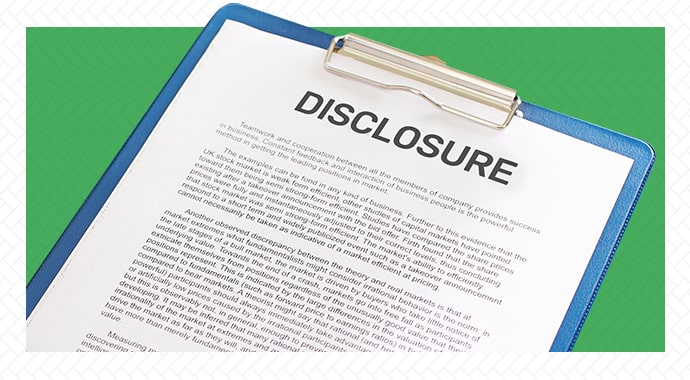
In order to sell an Illinois house in ‘as is’ condition, sellers must fill out a property disclosure. This disclosure asks the seller to itemize any material defects in the property.
A material defect is any flaw or damage that would reduce the value of the property. Defects also include any damage or condition that puts the new homeowner’s safety or health at risk.
The Illinois Residential Real Property Disclosure Act requires sellers to provide a copy of the disclosure to serious potential buyers and anyone making an offer on the property.
It also asks the seller to identify a list of home features, including the source of the home’s water supply and the type of heating and cooling.
The seller doesn’t need to hire a professional home inspector to complete the form. Sellers simply need to identify any problems they “are aware of” after living in the house.
If the owner hasn’t lived in the house over the last year, the form asks the homeowner to fill out the form by using the owner’s experience during the time they occupied the house.
Specific disclosure questions ask homeowners selling a house with foundation issues to identify the problem with foundation walls, basement, crawl space, floors, and walls.
Sellers need to answer if they are aware of an unsafe concentration of radon, asbestos, lead used in pipes, or the presence of lead paint.
Homeowners must also disclose any lead-contaminated soil on the property.
Selling a house with radon would require a professional test to determine the levels. Some buyers may prefer to pay for a test to determine the radon levels in the house.
The disclosure doesn’t specifically ask about selling a house after a fire, but homeowners should be transparent about important structural damage.
Selling a house with lead pipes should be disclosed to potential buyers. Federal law requires a disclosure for owners selling a house with lead paint.
Homeowners selling a property with polybutylene pipes aren’t required to disclose this fact.
Selling a house in a flood zone or selling a house with unpermitted work need formal disclosure.
Selling a house with termite damage, septic system failure, or structural defects need to be disclosed on the official form.
Plumbing defects that include damage to sump pumps, swimming pools, water heaters, or water heating treatment systems must be shared with potential buyers.
Selling a house with water damage would be included under one of the disclosure questions that asks the owner to identify water sources and their location in the house.
Fracking isn’t a category on the disclosure, but selling a home where hydraulic fracturing has created defects in the home water supply, foundation, or soil on the property must be disclosed.
Selling a house with mold isn’t specifically listed on the disclosure, but toxic mold is a condition that might impact the new owner’s health and safety, so it falls under disclosure requirements.
You can leave stuff behind when you sell your Illinois house ‘as is’, as long as both seller and buyer agree to those terms.
Selling a haunted house or a home with bed bugs aren’t topics on the Illinois disclosure statement.
Buyers are encouraged to conduct inspections of the house before signing a sales contract.
Should I Sell My House As Is in Illinois?

The next major consideration you’ll need to face before listing your property is, “Should you sell your Illinois house ‘as is’ or fix it up?”
The answer to that question depends on the time you have to do repairs or the funds you have to hire people to do the repairs for you.
Another factor that many homeowners don’t consider is the expense of waiting during a repair period.
You still have to pay mortgage interest, utilities, homeowner’s insurance, and any homeowner association dues during the repair period.
All of those fees and charges are an addition to the cost for the materials and the labor to do the home repairs. You’ll need to determine if these outweigh a lower sales price when selling ‘as is’.
Let’s review the advantages and disadvantages to help you make the decision to fix or to sell ‘as is’.
Why sell an Illinois house ‘as is’? There are a number of advantages.
Pros of Selling Your House As Is
- Selling your house ‘as is’ means you’ll avoid the task of finding reliable contractors to repair your house. You’ll also avoid paying the cost of materials to do the repairs and the cost of the labor.
- Your house sale typically moves faster with ‘as is’ buyers who understand the process in buying a fixer. An Illinois cash house buyer has this understanding and experience. Cash buyers don’t require time to wait for applications, appraisals, and final underwriting to close the sale.
- Sellers must answer repair requests after potential buyers hire an Illinois home inspector. This takes time and effort, even when the seller plans to deny any repair or credit requests. ‘As is’ buyers often don’t request professional inspections.
- When you avoid professional inspections, you also avoid the requirement that you must share inspection reports with other potential buyers. This is an advantage for the property seller.
- Most ‘as is’ buyers will allow you to leave items behind. This is a cost and time savings for sellers.
There are also a number of downsides to selling a home in Illinois without doing repairs.
Cons of Selling Your House As Is
- Homes needing repair typically don’t receive offers that match turnkey sale house prices. Buyers reduce offers by the amount it costs to do the repairs.
- Fixers attract only a small number of buyers. Your house will typically spend more time on the market before selling. An Illinois cash real estate buyer, however, is interested in buying fixers.
You can estimate the amount you’ll receive from your sale after deducting your closing costs when selling a house ‘as is’. Knowing this amount allows you to quickly evaluate your offers.
How does selling a house ‘as is’ work in Illinois? Let’s start with the option of selling to an investor.
How to Sell a House As Is By Owner Without an Agent in Illinois

How to Sell a House As Is, Fast and For Cash Directly to an Investor
Before detailing how to sell your house to an investor, let’s introduce cash house buyers.
Who Are Cash House Buyers?
Cash house buyers buy investment properties in Illinois to repair and resell (sometimes called “flipping”).
Some of these investors focus on purchasing rental property that they continue to rent or later renovate for resale.
Investors have cash so they don’t need to apply for traditional mortgages. This eliminates the wait time for lenders to appraise your house and underwrite a traditional loan.
Those who don’t have cash, use hard money lenders — a special type of lenders who lend to investors. Their loans don’t take weeks to approve, unlike loans from conventional lenders such as banks.
Illinois real estate investors look for a variety of sellers, whom they can assist in dealing with situations that require a quick and easy sale, including:
- owners selling a damaged house
- couples selling a marital property before divorce
- heirs selling a house under probate
- seniors selling to downsize from a larger house
- workers selling for job relocation
- homeowners selling a house with back taxes owed
Investor sales generally use a local investor-friendly title company in Illinois with experience in cash sales.
Pros of Selling Your House As Is Directly to an Investor
- You can sell your house fast when selling to an investor who has cash.
Cash offers eliminate the appraisals and underwriting time. Most investors also don’t bring in professional inspectors to complete reports.
- You’ll save your side of the real estate agent commission when you sell directly to an investor. That’s a savings of approximately 2.25% of the sales price.
- Cash buyers generally cover the closing costs for both buyer and seller. That’s another major savings for sellers.
Cons of Selling Your House As Is Directly to an Investor
- Apart from the cost of necessary repairs, an investor will also reduce his offer for a profit margin. They aren’t likely to offer you an amount equal to the full ‘as is’ value of your property.
- When people sell to an investor, they mostly do it to avoid paying a realtor commission. However, representing yourself, rather than being represented by a realtor, means you won’t have a professional protecting your best interests.
Finding the Best Cash House Buying Company
Locating cash house buying companies is easy to do by using the internet. Use search terms like the following ones to find local investors or investment companies.
Substitute the city with yours in the keywords below. If you live in a rural area, use a larger city near your village in your search.
- we buy houses Aurora IL
- sell my house fast Aurora IL
- cash house buyers Aurora IL
- sell my house for cash Aurora IL
- iBuyer companies Aurora IL
Once you’ve located a number of investors or investment companies, it’s time to do some research to locate an ethical buyer.
How to Choose an Ethical Investor?
Requesting a cash offer is easy, but before you do, collect some background information about the potential investors or investment companies.
Select investors with experience in the field. Look for investors or businesses that have been in operation for a minimum of three years.
Check with the local branch of the Better Business Bureau (BBB) to see if anyone has filed a complaint against the investor.
The complaint form should show if the issue between the buyer and homeowner has been resolved to the seller’s satisfaction.
If the homeowner is satisfied with the agreement, this tells you the company or investor is reputable.
Read through the customer reviews on consumer websites. Remove investors or companies with numerous complaints from your list of prospective buyers.
Check with the Division of Real Estate at the Illinois Department of Financial and Professional Regulation to see if any consumer complaints have been filed there for the investor or company.
If the search and vetting seems a bit overwhelming, you can always request a cash offer from HouseCashin. One online request will bring cash offers from up to five investors.
HouseCashin does the research work for you by screening investors and investment companies, and then sending you offers from experienced professionals.
How to Sell a House As Is by Listing It by Owner
The next selling option is to list your house for sale by yourself. This is known in the real estate industry as a for-sale-by-owner listing, or an FSBO.
When selling a home on your own, knowing the estimated value of your home is a game-changer.
It helps you understand where your property stands in the market and ensures you set a competitive price that attracts buyers without undervaluing your asset.
Let’s see what your options are in terms of finding the right buyers for your FSBO listing.
Where Can You List a House For Sale by Owner?
The easiest way to sell an FSBO property is to place a sign on the lawn. This might work in a brisk real estate market.
Unless your house is located on a busy traffic route, however, you probably aren’t going to have too many buyers find your property by using the sign-on-the-lawn selling method.
You can also print informational fliers for your home and distribute them in the neighborhood and at nearby businesses.
Your neighbors and businesses may have family or employees who’d love to live closer to family or to work.
If you have the skills, create a video home tour for your house and post it on places like YouTube. There are many free services where you can share your listing.
The best FSBO websites to list your house offer free services. It’s an easy way to spread the word to potential buyers about your listing.
Pros of Selling Your House by Listing It by Owner
- When you sell as an FSBO, you eliminate the commissions on your side of the sales transaction.
- Listing your house yourself allows you to set the marketing calendar. You can hold open houses and arrange showings so they’re convenient for your personal schedule.
- Your house is your only listing when you sell it yourself. Agents typically have a number of clients and need to divide their attention among the group. Your solo efforts may sell your house faster.
Cons of Selling Your House by Listing It by Owner
- If you aren’t selling a house to a cash buyer investor, your buyer pool typically needs a mortgage to buy your property. This means you’ll wait for loan application approval, an appraisal, and also for loan underwriting. This can add weeks to your closing time.
- A real estate agent is charged with protecting your best interests in the transaction. Working without an agent means you will be responsible for everything in the sales process without any professional consultation.
- Unless you have real estate experience, you may fail to follow the law during the sales transaction. Errors may mean delays. Serious errors may end with a court challenge that nullifies your sale and requires you to pay a fine for your mistake.
- A large part of the for sale by owner closing costs will be the buyer’s agent fee. Even though you forego using a seller’s agent, you still need to pay the buyer’s one, although it’s only a half of what you’d pay otherwise.
How to Sell a House As Is in Illinois with an Agent

Who Are Real Estate Agents?
Real estate agents are licensed professionals who represent you by listing, marketing, and presenting offers on your property from other agents.
Agents are trained and have experience in real estate law. They make sure your sale follows legal regulations.
Rather than an informal meeting of the minds sales agreement, a real estate agent handles the formal written offers and legal contracts for your property.
Your professional agent also guides your sale through escrow and title.
Agents work under the direction of a licensed real estate broker who supervises all steps in your property transaction.
Pros of Selling Your House As Is with a Real Estate Agent
- Realtors have access to resources that list the comparable sales in your area. This data allows you and your agent to set an appropriate price so you receive the most money from the sales transaction.
- Real estate agents are charged with putting your interests first over all others in the sales transaction. The agent uses their training and experience to do that.
Cons of Selling Your House As Is with a Real Estate Agent
- The average Realtor costs to sell a house is the most significant part of your closing costs in Illinois. While commissions are negotiated, the seller’s commission averages approximately 2.25% in the Land of Lincoln. That percentage is based on the amount of the sales price.
- Since most buyers represented by agents aren’t interested in ‘as is’ listings, your house might sit for some time before you receive any offers. Unless your agent also has experience in marketing fixers, your listing may fail to sell in a timely manner.
How to Choose an Ethical Real Estate Agent?
The easiest way to find an ethical real estate agent is to ask satisfied clients for a recommendation.
Ask family, friends, and coworkers for contact information of agents they’ve worked with.
Look for agents with experience in marketing fixers and agents who have extensive knowledge of your neighborhood.
Check the online review sites for comments about prospective agents. Avoid those with numerous negative comments.
Also check the local branch of the Better Business Bureau (BBB) for any complaints.
Look for agents with additional professional training and certifications. Some have certifications for selling fixers.
An agent using the title of “Realtor” is a state member of the Illinois Realtors professional organization. This is a trade group affiliated with the National Association of Realtors (NAR).
Realtors take a strict oath to operate ethically and professionally. The local branches of the Illinois Realtors supervise state agents. They reprimand and fine agents who fail to follow the oath.
Agents’ licenses can also be suspended by the Illinois Realtor boards. Check to see if your prospective agents have been reprimanded — or had their license suspended or revoked.
We’ve defined ‘as is condition,’ and reviewed the most commonly used ways to sell your house in Illinois. We’ve also explored the advantages and disadvantages of each selling approach.
The next step is for you to decide on one and sell your property.
