
Selling a Home As Is in Alabama (A-to-Z Guide)
Even though the information on this web page is provided by a qualified industry expert, it should not be considered as legal, tax, financial or investment advice. Since every individual’s situation is unique, a qualified professional should be consulted before making financial decisions.
Do you want to sell an Alabama house in ‘as is’ condition? Not sure how to go about doing that? Well, you’ve found the right place to help you answer those questions.
This guide gives you the details about ‘as is’ sales options.
It outlines disclosures, how ‘as is’ sales work, the advantages and disadvantages of selling ‘as is’, and how to work with a professional real estate agent or go it alone in the sale.
The guide also explores the option of selling your house to an investor.
Let’s get started by defining some terms.
What Does It Mean to Sell a House As Is in Alabama?
‘As is’ sales offer a house exactly as the prospective buyer sees it — damage, problems, defects, and all.
The seller wants to simply sign the purchase agreement and close the transaction without doing any fixing or improving.
The Alabama sales contract offers a way to do that with an ‘as is’ condition clause.
Can You Sell a House As Is in Alabama?

Yes, absolutely! You can sell a home ‘as is’ in Alabama.
Buyers of existing Alabama houses buy caveat emptor. That means the buyer must beware. That puts the main responsibility on the buyer to investigate and research before making the purchase.
So, how does selling a house ‘as is’ work in Alabama? The first step in the process involves disclosures.
What Do Alabama Real Estate Disclosure Laws Require?
Alabama home buyers must beware when buying an existing home, and state law reinforces that warning.
Buyers need to ask questions and do their own investigations before purchasing an Alabama house to know exactly what they’re getting.
While there isn’t a standard state form for disclosing the condition of the property, there are some mandatory requirements for sellers, including:
- The seller must disclose anything that poses an immediate major health or safety risk. The seller’s real estate agent is also responsible to disclose any material defect or condition in those two categories when it’s known or can be readily observable by the buyer.
- Sellers, however, must also meet federal disclosure requirements. Federal laws tell Alabama home sellers to disclose certain property risks and conditions. Disclosing the presence of lead paint in a house is required under federal law.
- Sellers must also disclose any fiduciary relationship between the seller and agents involved. This is known as an “agency disclosure.” A fiduciary represents your best interests and puts them first. This disclosure identifies the person who takes a fiduciary responsibility on your behalf.
Agents are considered a conduit, a go-to for information, between the seller and buyer. If the seller gives the agent false information, the agent can’t be held accountable for that error.
You, or your agent if you use one, also aren’t required to hire property inspectors to inspect the house before a sale.
Buyers are expected to do their own research and verify the condition of the property by hiring their own home inspectors.
The bottom line is, buyers can ask the seller anything about the house and the seller must answer honestly. If you honestly aren’t aware of a problem or defect, that ends the discussion.
Some questions you might be asked about the house include:
- Plumbing questions: Buyers may ask details when selling a house with failed septic systems or if the house has lead pipes. Potential buyers might also ask about the presence of polybutylene pipes.
- Environmental questions: If you’re selling a house with mold, high radon gas levels, asbestos, or if you have storage tanks, you’ll need to have some answers prepared. Selling a house with lead paint may have buyers asking you for more details about your property — things that the required federal pamphlet can’t provide.
- Structural questions: Foundation issues, unpermitted construction, fire damage or previously flooded house, and proximity to flood zones are common questions potential buyers ask.
- Condition questions: Homeowners selling a house with termites or termite damage should be prepared for questions from buyers about the insect infestation.
- Lien questions: If you’re selling a house with construction liens, buyers might want more details. Alabama modified the law in 2023 to prohibit long right-to-list agreements. Prior to the new law, a listing agent could hold a contract for your house for up to 40 years in the future. The new law prohibits that practice and limits listing agreements (that are recorded and tied to the land) to less than a year. Your house could have a prior right-to-list agreement attached to the property, and you may be asked about that listing agreement because they transfer to the new owner.
While some states require specific disclosures of bed bug infiltrations and fracking (hydraulic fracturing), Alabama does not. Neither do you need to disclose a haunted house.
You can leave stuff behind when you sell your Alabama house ‘as is,’ but only when you make clear in the sales contract.
Should I Sell My House As Is in Alabama?
In answering the question, “Should you sell your Alabama house ‘as is’ or fix it up?” it helps to make a two-column sheet to compare the advantages and disadvantages of an ‘as is’ sale.
Pros of Selling Your House As Is
Why sell an Alabama house ‘as is’? The advantages for your comparison may include:
- You can sell your house fast in Alabama when you sell ‘as is.’ The time savings can be significant and mean weeks.
- No need to clean. You can just leave your stuff behind.
- You don’t need to find repair people. And there’s no need to supervise any workers or pay any repair bills.
- You’ll avoid picky buyer demands after they review a report from an Alabama property inspector.
- ‘As is’ sales typically skip open houses, so you can avoid curious neighbors coming through your house for a look.
Cons of Selling Your House As Is
What are the negatives of selling ‘as is’? The cons for your sheet might include:
- A large number of buyers aren’t interested in fixing things. An ‘as is’ offering limits your potential buyer pool as opposed to selling to an Alabama cash buyer.
- Finding your own buyers can be a major problem, particularly in a slow sales market.
- You’ll receive a lower sales price when you sell ‘as is’ compared with selling a turnkey house where buyers can simply move in.
Selling to an Alabama real estate cash buyer may save even more. Researching the estimated closing costs for sellers also helps you finalize your decision.
It’s helpful to know what happens when you sell your house ‘as is’ in Alabama.
Real estate sales in the Cotton State involve a few key steps:
- Listing the property: In this step, you list the property on the local MLS and complete the formal agency and the mandatory disclosure.
- Marketing: Selling a house in Alabama involves advertising and promotion of the property.
- Signing the purchase contract: Alabama uses a standard sales and agency form.
- Completing title and escrow: Title searches look for any liens or problems in transactions involving loans. Escrow is responsible for holding the buyer’s deposit and arranging for the final money transfer.
- Closing and property transfer: A licensed Alabama real estate attorney must be present for the property closing. One attorney can represent both buyer and seller — if all parties agree to that arrangement.
Once you’ve decided to sell ‘as is,’ the next question is, “How do I go about selling my house ‘as is’ in Alabama?” There are a number of ways to do that, including selling to an investor.
How to Sell a House As Is By Owner Without an Agent in Alabama
How to Sell a House As Is, Fast and For Cash Directly to an Investor
If you decide selling your house to a real estate investor might be a good option for a fast sale, you’ll need to know some basics.
Who Are Cash House Buyers?
Real estate investors in Alabama purchase homes for cash. They’re individuals and groups of people who form cash house buying companies.
Hedge funds also purchase ‘as is’ investments because it’s cheaper than buying a rental property that’s ready to lease.
Investors and companies with access to cash buy investment properties in Alabama. They move quickly to close — sometimes in under a week!
Their expertise is working with people who want to downsize to a smaller home, those selling a house for job relocation, folks selling a house with a tax lien.
People selling a house while in probate, or after the court has settled the probate, also find investors are a quick and easy way to get rid of inherited property.
Investors also buy homes from people selling a house that needs work or a seller with a house that has permit violations.
Homeowners selling a home during divorce or selling a house to avoid foreclosure also look to sell to investors to move quickly.
Real estate investors typically work with a local Alabama investor-friendly title company that has experience with cash house transactions. That means a quick transaction.
Pros of Selling Your House As Is Directly to an Investor
- Investor sales are generally speedy sales. This is a huge advantage for sellers who need to cash out of a property quickly.
- Investors typically make cash offers. That means you skip the formal appraisal and inspection because traditional lenders aren’t involved. Working with a cash house buying company means you don’t have to wait for mortgage underwriting that could take weeks.
- Assuming you and the cash buyer don’t use agents, you save those commission costs.
- Cash buyers typically pick up all the closing costs in a home sale. That’s another major savings for the seller.
Cons of Selling Your House As Is Directly to an Investor
- Your cash offer will be lower than the market value of the house.
- You also won’t be represented by a professional real estate agent when you sell directly to an investor. You won’t have a professional to prioritize your best interests.
Finding the Best Cash House Buying Company
The fastest way to find investors and cash house buying companies is to use a basic internet search.
Narrow your search to your state and a nearby major city to find a company that focuses on your geographic region. Some search terms might include:
- iBuyer companies in Montgomery AL
- Cash house buyers in Montgomery AL
- Sell my house fast Montgomery AL
- We buy houses Montgomery AL
- Sell my house fast Montgomery AL
How to Choose an Ethical Investor?
There are a host of investors out there, so how do you determine who is ethical? Before requesting a cash offer on your home, you need to do some background research.
You can do a number of things to check on the investor, including asking for and checking local references. Ethical investors have a business license and have a history of past investments.
Make sure the company or investor has at least a three-year history in the field. Read any complaints filed with the Better Business Bureau (BBB) for details.
These are usually listed on the public website and provide insight into the kinds of problems you might have with a prospective investor or investment company.
An “A” rating listed on that agency means your investor is rated highly.
Some investor companies aren’t BBB-rated, so that means you’ll have to dig deeper to evaluate the firm. Unrated firms, however, can still have complaints filed against them.
Check other online review websites and look for positive and negative comments. A number of negative comments should be a warning to move to someone else.
It’s time now to explore two other directions you might go to sell your home. Let’s start first with listing your house yourself.
How to Sell a House As Is by Listing It by Owner
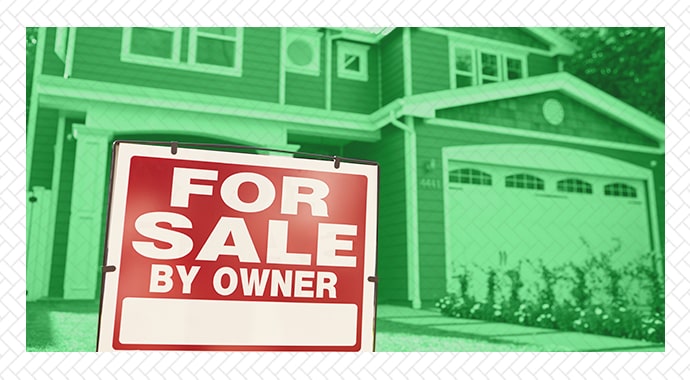
FSBO, or “For Sale by Owner”, means selling your home without hiring a real estate agent. By taking this route, you can oversee the entire process yourself and potentially save money on commission fees.
However, you’ll need to take charge of essential tasks like setting the price, marketing your property, conducting showings, and negotiating with potential buyers.
To sell a home by using the FSBO method, you can determine your home’s value by using online calculators that show your house worth by address. But keep in mind that the figures they will show will not account for repairs if your property needs them. And it will not be as accurate as getting a professional appraisal, which you can also order.
Where Can You List a House For Sale by Owner?
There are a number of ways to list your house by owner. Some options cater specifically to for-sale-by-owner (FSBO) sellers.
- An old school way to advertise an FSBO is to plant a sign on the lawn. Unless you live in a highly trafficked area, this probably won’t bring a lot of potential buyers.
- Websites to sell your house by owner offer places to list your property online. Some charge a small fee, but most don’t charge listers.
- Flat-listing-fee brokers offer a way to add your house to the Multiple Listing Service (MLS) available to licensed Realtors. This gives you exposure to a large number of potential buyers, but it’s not free.
- Online media services, like YouTube, provide another way to feature your promotional home videos. These services are usually free to use. They will unlikely bring you buyers directly, but they will host your videos that you can embed on other sites to make your listing more appealing.
Pros of Selling Your House by Listing It by Owner
- Probably the biggest advantage to an FSBO is you don’t pay a seller’s commission to a listing agent. Alabama commission fees run 5-6%, so that’s a major savings. (That fee is typically split between both agents in a transaction, but even half of that figure is significant.)
- As an FSBO seller, you are in charge of everything. You make the final decisions based on your individual needs.
- Listing yourself means you can also market to non-investor buyers. That offers a possibility for making a top dollar for your house sale.
Cons of Selling Your House by Listing It by Owner
- Without a professional to represent your best interests, you’ll need to make your own way and hope for the best in dealing with the buyer.
- It takes time to research real estate transactions, including the closing costs when selling a home by owner, and this means a significant amount of wasted time — and a delayed cashout. You might also be sued if you fail to meet the legal selling requirements in Alabama.
If selling your house yourself might seem too overwhelming, another option is to sign up with a professional real estate agent.
How to Sell a House As Is in Alabama with an Agent

Who Are Real Estate Agents?
Alabama real estate agents are trained to help sellers price and market homes. They understand how to promote a house on social media and in print.
Agents negotiate with buyers and oversee the legal paperwork from the sales contract signing through the official closing process.
Real estate agents usually represent either the buyer or the seller in a real estate transaction. Alabama laws require agents to present a written document explaining their fiduciary duties.
This document is called the “agency” brokerage arrangement and you’ll need to sign a document saying you understand the agreement.
It’s a relationship that at first may seem confusing, but the written disclosure makes it clear what the agent promises in representing you.
Alabama agents must have state-issued licenses. They work under the direction of a supervising broker who ensures the laws are met during transactions.
An agent using the term “Realtor” is a licensed agent who is a member of the National Association of Realtors and the state branch of that professional trade group.
Pros of Selling Your House As Is with a Real Estate Agent
- Realtors know the market and help you receive the best price. Real estate agents have access to a list of prior home sales, and they know the top market sales prices. This information helps you and your agent price your house aggressively.
- Your professional agent has a fiduciary duty to you to make sure your best interests in the sale are the primary focus. That’s their duty under the Alabama agency disclosure. Agents are trained in real estate law and procedures, and having them in your corner means you’ll have a major advantage during the selling process.
Cons of Selling Your House As Is with a Real Estate Agent
- The cost of selling a house with a Realtor is a disadvantage and it’s a major one. These commissions, typically 5-6% of the purchase price, are a significant portion of your Alabama closing costs.
- Agent sales can take more time compared with selling yourself or selling to an investor. Real estate agents generally work with non-investment buyers who need a loan to complete the purchase. This mortgage process can take weeks to complete, even when the buyer brings a pre-approval for the loan. The time to wait for underwriters to make the final approval can be lengthy.
How to Choose an Ethical Real Estate Agent?
You can vet real estate agents a few ways:
- Locate real estate agents who specialize in handling houses in your geographic region. They know the market and understand the best way to promote your house. Some agents have developed specialties so detailed that they focus on a single neighborhood or one housing development. Find a local house for sale and contact the agent whose number is listed on the sign or in the ad.
- Ask for recommendations from the agent and contact them to confirm they’re satisfied customers. Confirm the former clients aren’t receiving a referral for providing a positive review. That might make the comments less-than-honest endorsements.
- Talk with family members, neighbors, and friends and ask for their agent recommendations. Satisfied clients are gold and good resources!
- The Alabama Better Business Bureau also collects complaints about real estate agents. Look through the complaints listed online to see if the agent (or real estate office) has had any significant problems. Independent bureaus oversee local areas and cities, so if your sale home is located in the geographic area or near city bureaus, also contact them about your list of prospective agents. Some complaints might be minor, but major problems that go unresolved with the BBB should be a warning to select a different agent.
- Search the Alabama Real Estate Commission website to determine if your agent is licensed. This site also offers a link to check for any legal actions or complaints filed against a prospective agent with the commission.
This guide has covered the essentials. You now have the details to decide if you want to fix or sell ‘as is,’ how you want to approach your sale, and considerations to weigh those options.
